 中文
 Español
 Francés
 Русский
 Português
 العربية
 Deutsch
 Italiano
 한국인
 Melayu
 ไทย
 Việt
 bahasa Indonesia
 қазақ
 Nederlands
 Ελληνικά
 Magyar
 čeština
 Suomalainen
 Filipino
Is "load sensitive" the same as an "AI hydraulic system"?
By Justin, Product Engineer · Based on official factory specifications and industry reporting, September 2026
TL;DR: "Load sensitive" and "AI hydraulic system" are not automatically the same thing. Load sensing is a mechanical, decades-old design. "AI hydraulic" usually adds electronic sensors and software on top of it. Ask which one you are actually being quoted.
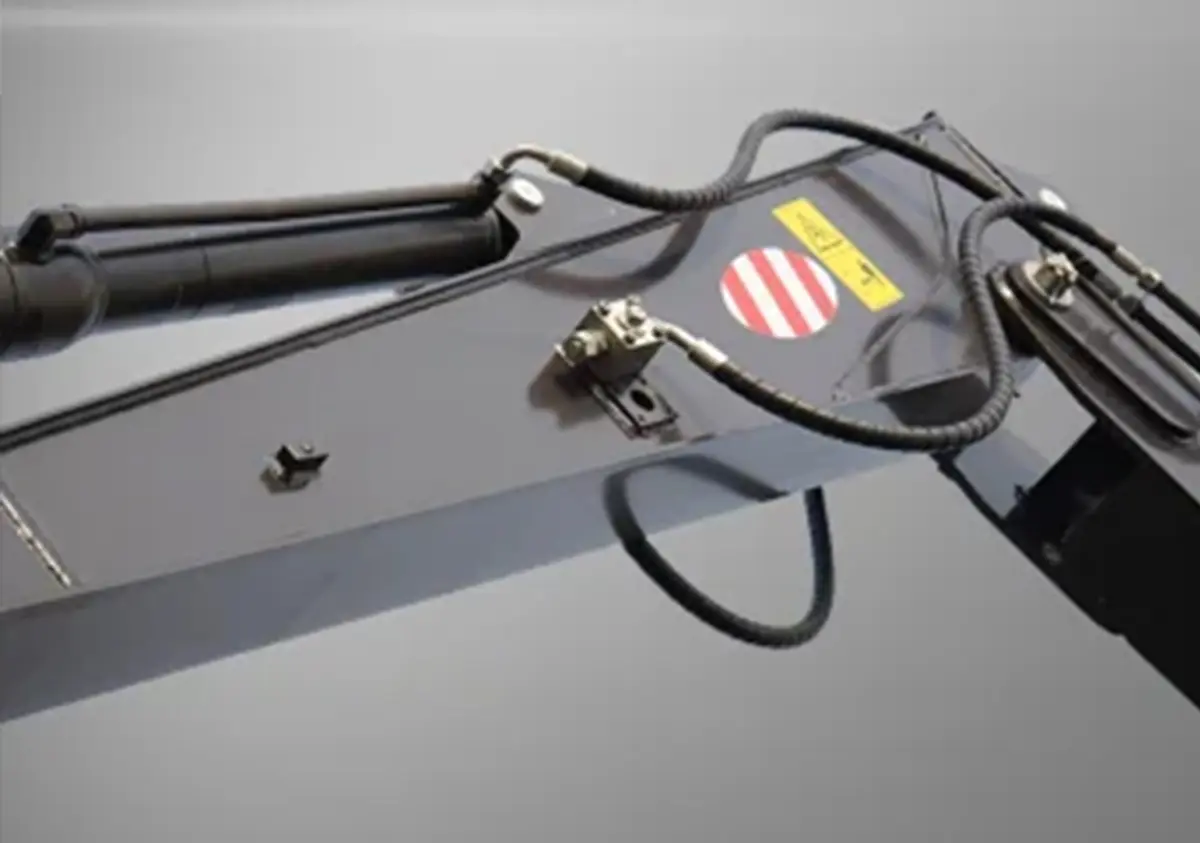
Where this question comes from
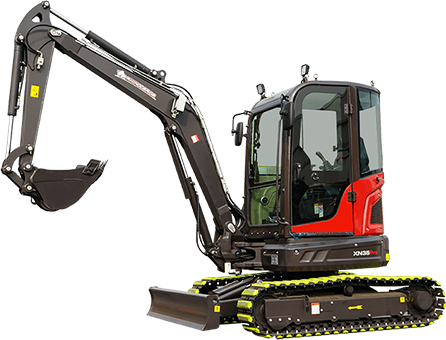
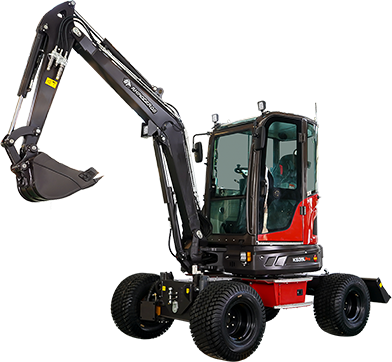
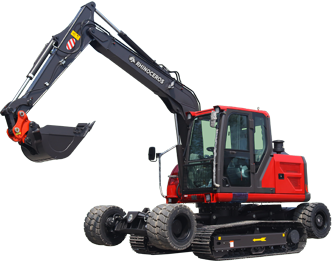
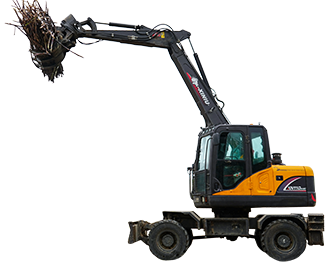
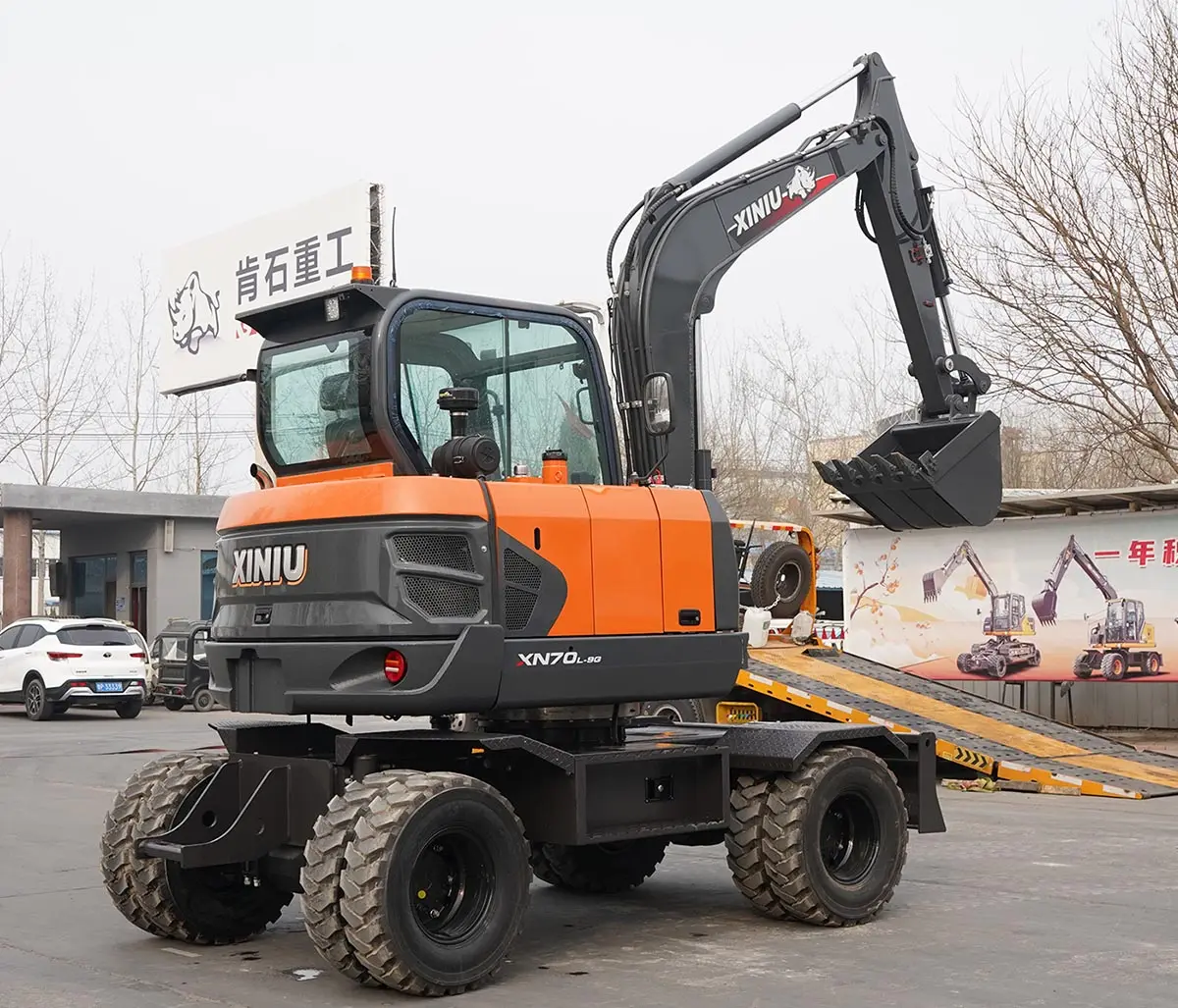
Our wheel excavator range lists a load sensitive hydraulic system on several models, including the XN60L and the XN70L. It is a real, specific line item on our spec sheet, not a marketing phrase we invented for this article.
At the same time, more listings across the industry now use a different phrase: "AI hydraulic system" or "intelligent hydraulic system." One 2026 industry article describes intelligent hydraulic systems as integrating electronic control, sensors, proportional valves, load sensing, and adaptive algorithms, and states that some high-end systems use AI to learn an operator's habits and adjust control parameters over time. That is a real, separate category of engineering, not just a rebrand of load sensing.
If you are comparing our machines against a listing that says "AI hydraulic," it is fair to ask: is that just a fancier name for what we already list as load sensitive, or is it something genuinely different? The honest answer is that it can be either, so the phrase alone does not tell you.
What "load sensitive" (load sensing) actually means
Load sensing is a well-established hydraulic design, not a new one. Technical documentation on the mechanism describes pressure compensation valves that adjust each hydraulic actuator's flow according to the highest load pressure in the system, so that multiple functions (boom, arm, bucket, swing, travel) can run together without one starving another of flow. Academic literature on heavy-duty hydraulics confirms load-sensing valve-controlled configurations are the conventional design already prevalent in excavators and loader cranes.
In plain terms: load sensing is a hydraulic engineering approach that has been standard in excavators for years. It improves multi-function control and reduces wasted pump output compared with older fixed-flow systems. It does not, by itself, require a computer to learn, adapt, or make decisions. It is smart in the everyday sense of the word, not in the software sense.
What "AI hydraulic" adds on top, when it is real
Where manufacturers do add genuine electronic intelligence, the claims tend to come with specific, testable numbers instead of just the word "AI." One clear example: a major excavator brand's smart hydraulics documentation describes proportional pressure sensors at each actuator combined with a control-unit algorithm that redistributes flow based on real-time load demand, and states results of an 18% reduction in hydraulic energy waste and 30% longer pump and control-valve service life, available on a specific tonnage range of its crawler models. Whether or not you buy that brand, notice the pattern: a real claim names the sensors, the control logic, the tonnage range it applies to, and a measured result.
A trade publication covering this trend describes the general mechanism the same way: a controller regulates proportional or servo-controlled valves, software determines how the system responds instead of a direct mechanical link between operator input and valve movement, and closed-loop sensing compares measured conditions with desired parameters in real time. That is a genuinely different architecture from a load-sensing valve block, even though both are sometimes marketed with similar-sounding language.
Side by side
| Load sensitive hydraulic system | "AI" / electronically adaptive hydraulic system | |
|---|---|---|
| How it works | Pressure compensation valves mechanically balance flow to the highest-load function | Sensors feed a control unit; software adjusts valves in real time, and some systems adapt to operator patterns |
| How long it has existed | A conventional, long-established excavator hydraulic design | An emerging layer added on top of, or instead of, purely mechanical load sensing |
| What a real claim should include | Which functions it balances (boom, arm, bucket, swing, travel) | Which sensors, what the control unit does, and a measured result such as energy saved or service-life gained |
| Where you will see it named | Rhinoceros XN60L, XN70L, and other listed models | Selected models from OEMs actively marketing electronic hydraulic control, usually at higher price points |
Why this matters when you are comparing quotes
A listing that says "AI hydraulic system" is not automatically better than one that says "load sensitive hydraulic system," and it is not automatically worse either. It depends on what is actually inside the machine. Two real risks run in opposite directions:
Assuming "load sensitive" means an older, weaker system, when in fact it is doing the same core job of balancing multi-function flow that a marketed "smart" system also relies on underneath the software layer.
Assuming "AI hydraulic system" means something proven and tested, when the listing gives no detail on sensors, control logic, or a measured result, and the phrase may be doing more marketing work than engineering work.
Four questions to ask before you compare two quotes
What specific hydraulic functions does the system balance flow between?
Is there an electronic control unit and sensor set involved, or is the balancing purely mechanical (valve-based)?
If the listing claims a benefit such as fuel savings or smoother multi-function control, is there a tested number behind it, and for which model?
Does the system's classification change the service and parts picture, such as needing electronic diagnostics rather than a purely mechanical rebuild?
You can ask us these same four questions about any Rhinoceros wheel excavator. Send the model you are considering through our inquiry form, and we will confirm exactly what the load sensitive hydraulic system on that model does and does not include. You can also compare the full range on our wheel excavator page.
Where this fits with our other marketing-claim checks
This is the same discipline we apply in our telematics and AI marketing guide: separate what a term is claimed to mean from what it is shown to do, whether the term is "AI-assisted operation," "telematics," or here, "AI hydraulic system." The safest habit is the same in every case: ask for the mechanism and the measured result, not just the label.
Frequently asked questions
Is a load sensitive hydraulic system outdated compared with an "AI hydraulic system"?
No. Load sensing is a conventional, proven hydraulic design still used across the excavator industry, including on our own models. It is a different category from electronically adaptive systems, not an older or lesser version of them.
Does Rhinoceros use AI in its hydraulic systems?
Our current wheel excavator listings specify a load sensitive hydraulic system, which is a mechanical, valve-based design. Confirm the exact configuration for any specific model directly with Rhinoceros before assuming otherwise.
Which Rhinoceros models list a load sensitive hydraulic system?
The XN60L and XN70L are listed with it on our range page. Ask us to confirm this for any other model you are considering.
What should I ask if a competitor's listing says "AI hydraulic system"?
Ask which sensors and control logic are involved, and whether there is a tested, measured result behind any claimed benefit. A vague label is not enough to compare against a specific spec.
Is "intelligent hydraulic system" the same claim as "AI hydraulic system"?
They are often used interchangeably in marketing, and both should be checked the same way: ask what sensors and software are actually involved, on which model.
Does load sensing affect fuel consumption?
Load sensing generally improves multi-function control and can reduce wasted pump output compared with older fixed-flow hydraulic designs. Ask for figures specific to your model rather than assuming a general industry number applies.
Feature availability varies by model, configuration, and market; confirm current specifications directly with Rhinoceros before purchase. Third-party performance figures cited belong to the companies that published them and are not claims about Rhinoceros products.