 中文
 Español
 Francés
 Русский
 Português
 العربية
 Deutsch
 Italiano
 한국인
 Melayu
 ไทย
 Việt
 bahasa Indonesia
 қазақ
 Nederlands
 Ελληνικά
 Magyar
 čeština
 Suomalainen
 Filipino
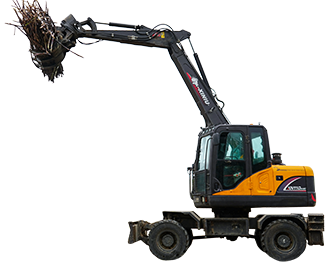
How to Size a Wheel Excavator for a Job Site
Reviewed by Justin, Product Engineer·Based on official factory specifications, August 2026
Quick answer: Sizing a wheel excavator starts with digging reach and depth against the actual job, then checks that against site access—width, gate clearance, weight limits—before weight class or horsepower enters the decision. A bigger machine that can’t access the site, or that’s overkill for the trench depth required, isn’t actually the faster choice.
Machine weight class gets treated as the primary sizing decision more often than it should be. For a wheel excavator specifically, reach, depth, and access usually matter more.
Digging Reach and Depth Come First
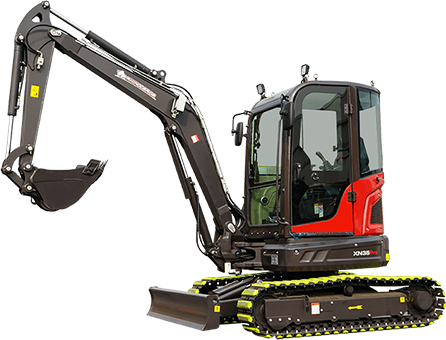
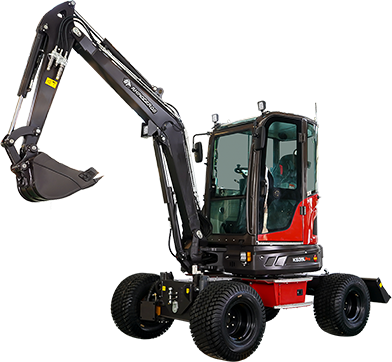
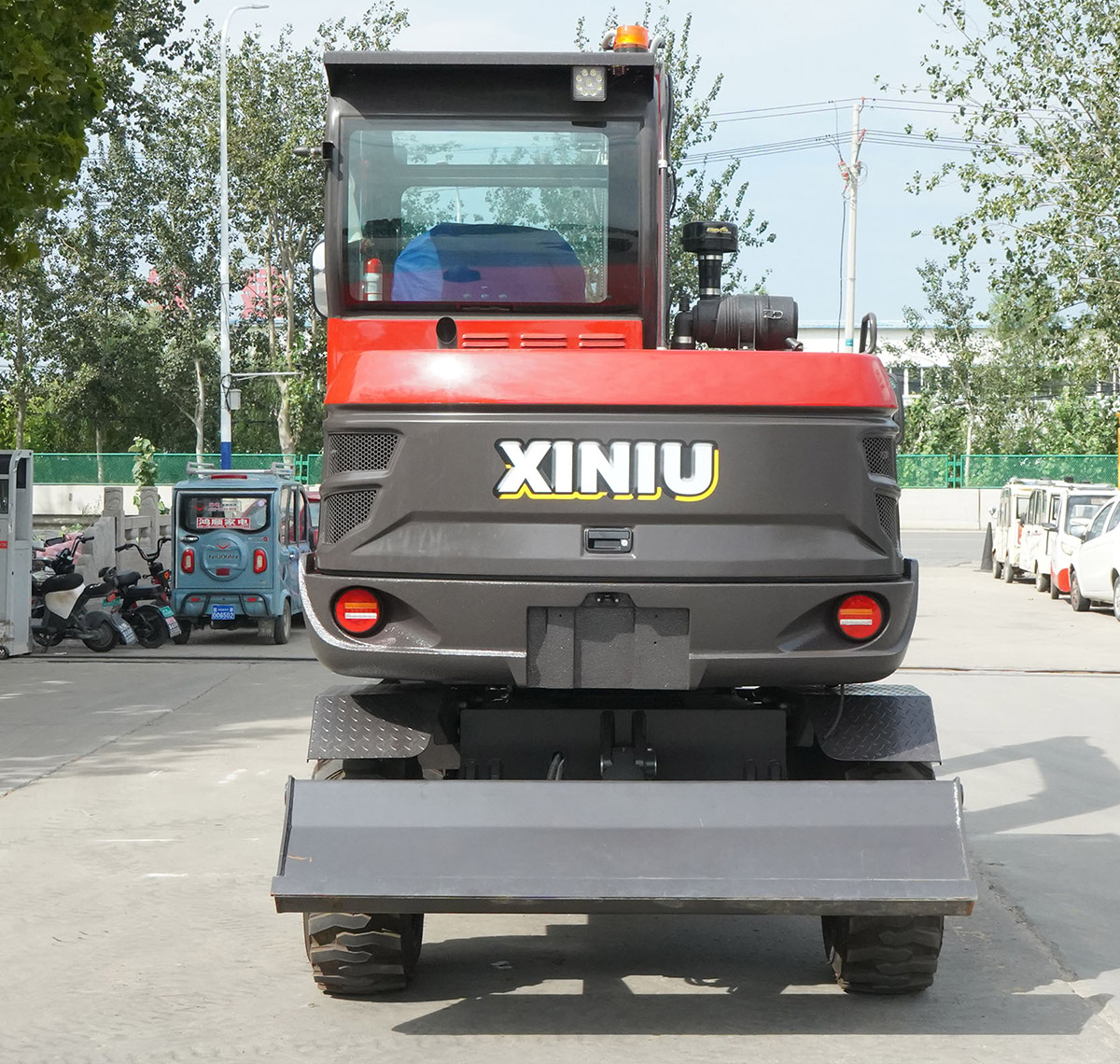
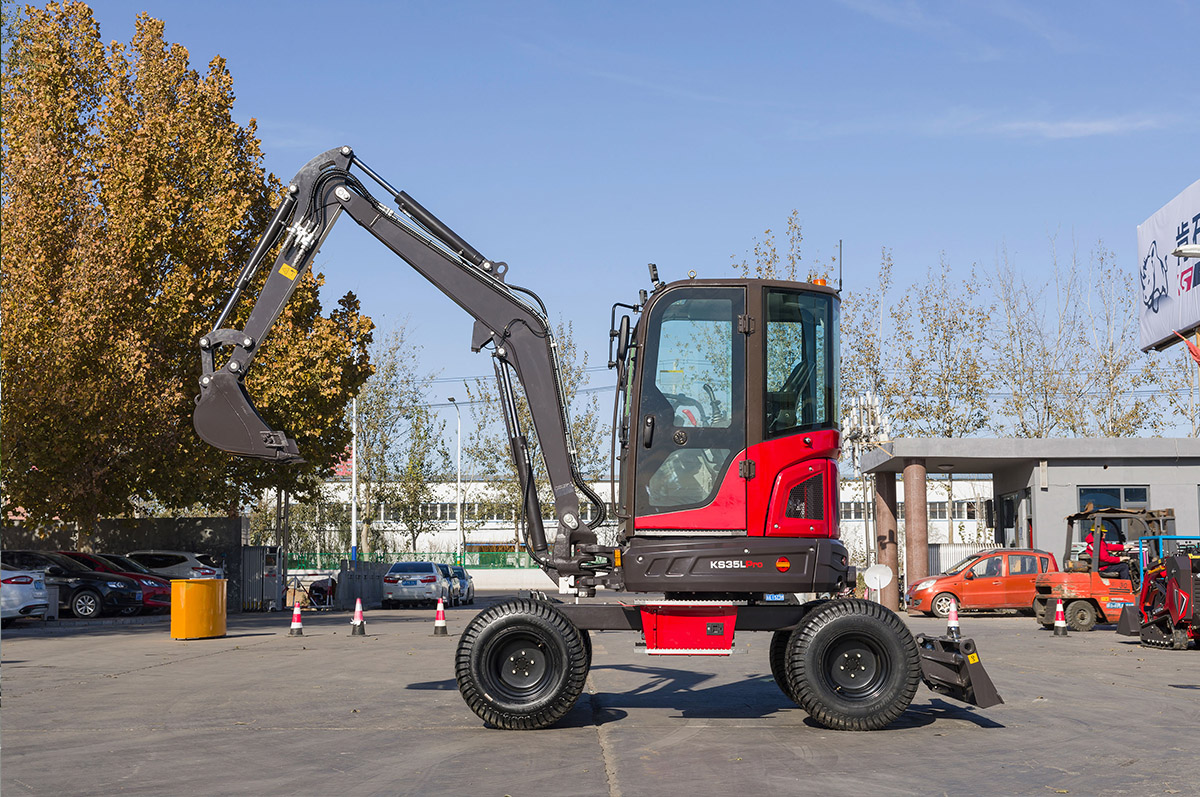
The XN35L, for example, has a maximum digging radius of 5575 mm and a maximum digging depth of 3025 mm. Those two figures answer the practical question that matters on most jobs: can this machine reach the far side of the trench or excavation area without repositioning, and can it get to the required depth in one pass. A machine undersized on reach means constant repositioning; oversized reach on a tight site just adds bulk without adding usable capability.
Road-Legal Width Isn’t Just About Digging
Width matters for a different reason on a wheel excavator than it does on a crawler machine—it determines whether the machine can travel between sites without a wide-load escort or additional permitting, a factor we covered in Wheel Excavator for Utility and Road Maintenance Crews. The XN35L’ s 1830 mm width is relevant to both questions at once: fitting through a job-site access point and staying within standard road-travel dimensions between stops.
Weight Class and What It Implies for Site Access
Heavier machines generally deliver more digging force, but weight also affects what surfaces and access routes the machine can use—a finished driveway, a bridge with a posted weight limit, or soft ground near a job site can all rule out a heavier option regardless of how well it matches the digging requirement. Weight class is a real constraint, but it works against site access rather than purely in favor of capability.
When a Bigger Machine Isn’t Actually Faster
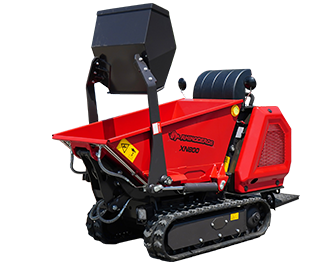
The same logic that applies to oversizing a mini dumper applies here: a larger machine that has to take a longer route, can’t fit through a standard access point, or needs more setup time to position for a smaller job doesn’t save time just because it has more raw capability. Matching reach and depth to the job, and width and weight to the site, tends to outperform defaulting to the largest available option.
Frequently Asked Questions
Does more machine weight always mean more digging capability?
Generally more weight correlates with more digging force, but weight also restricts which surfaces and access routes the machine can use, so it’s a tradeoff rather than a straightforward advantage.
Should site access or digging reach be the primary factor in sizing?
Both need to be checked, but in practice, digging reach and depth determine whether a machine can do the job at all, while site access determines whether it can get there and work efficiently once it arrives—neither one should be skipped in favor of the other.
Is the XN35L’s reach and depth typical for the category, or does it vary a lot by model?
It varies by model within the wheel excavator lineup. The XN35L’s figures are specific to that model; check the official specification page for the reach and depth of any other model under consideration.
Specifications reflect standard configurations as published on official factory specification pages and may vary by option package or model year; confirm current specifications directly with Rhinoceros before purchase.