 中文
中文
 Español
 Francés
 Русский
 Português
 العربية
 Deutsch
 Italiano
 한국인
한국인
 Melayu
 ไทย
ไทย
 Việt
Việt
 bahasa Indonesia
 қазақ
қазақ
 Nederlands
 Ελληνικά
 Magyar
 čeština
 Suomalainen
 Filipino
Common Operator Mistakes That Shorten Machine Life
Reviewed by Justin, Product Engineer· Based on official factory specifications, August 2026
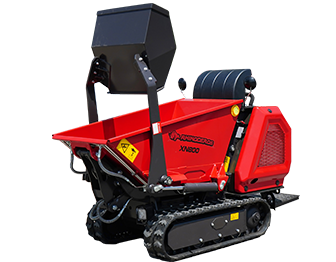
Quick answer: Most mini dumper problems that look like machine failures actually trace back to a handful of repeated operator habits—loading past rated capacity, dumping on unstable ground, skipping pre-shift checks, and running loaded at full speed over rough terrain. None of these show up as a fault code; they show up as premature wear or, in the worst cases, a tip-over.
A machine that’s well-built and well-maintained can still wear out early or fail unexpectedly if the day-to-day habits around it work against it. These four are the ones that come up most often.
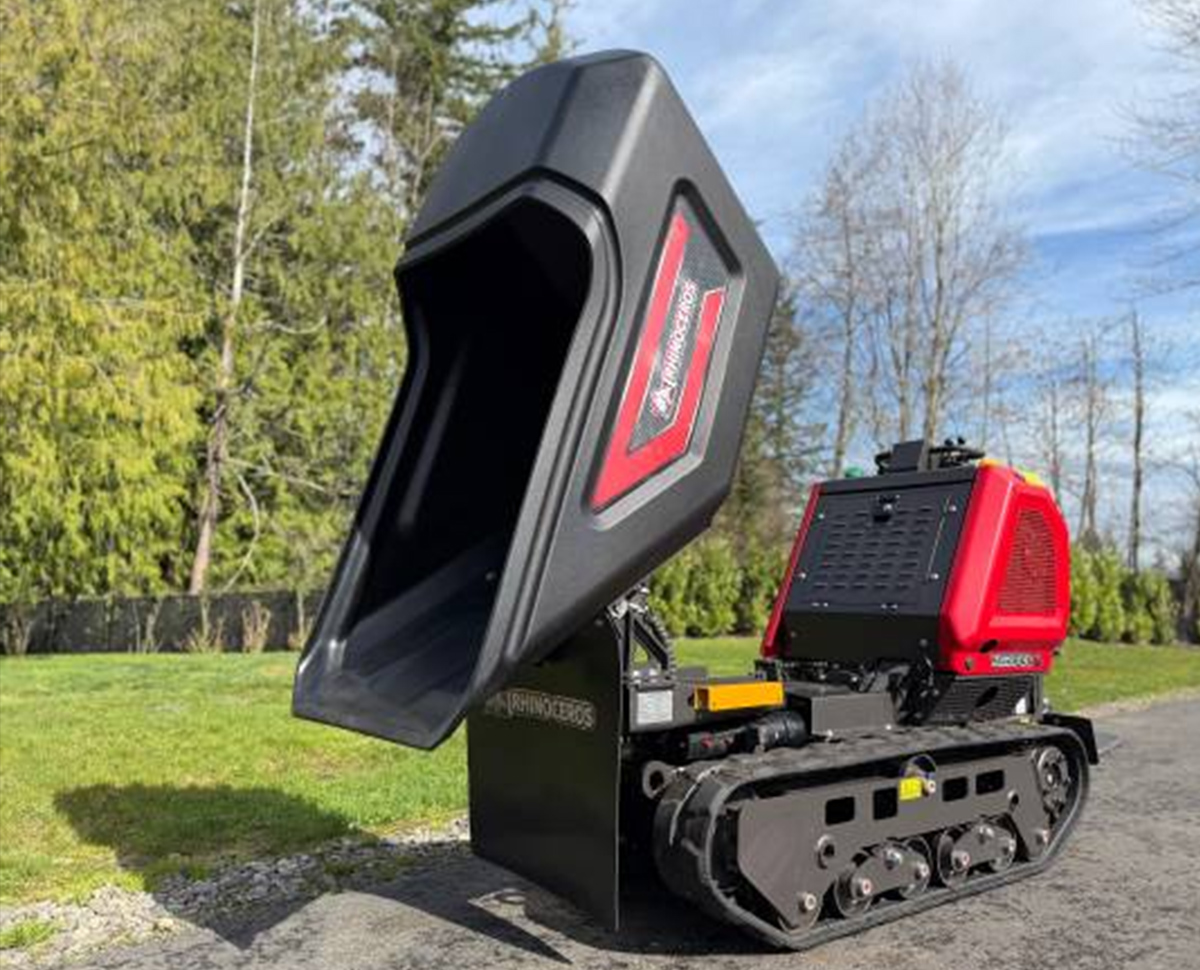
Loading Past the Rated Payload“Just This Once”
Rated payload figures aren’t a suggestion with built-in slack—they reflect the point where the machine’s stability and structural components are engineered to perform safely. A single overloaded run rarely causes visible damage on the spot, which is exactly why the habit forms: nothing seems to go wrong, so it happens again. The cost shows up later, as accelerated wear on hydraulic components and structural stress that shortens the machine’s working life well before it would otherwise need replacing.
Dumping on Unstable or Sloped Ground
The moment of highest tip-over risk on a mini dumper isn’t during loading or driving—it’s during the dump itself, when the bed is raised and the center of gravity shifts. Dumping on ground that’s soft, uneven, or sloped adds instability at exactly the moment the machine has the least margin for it. We covered the load-distribution side of this in Mini Dumper Tipping Risk: Load Distribution on Slopes and Uneven Ground —the operating habit that causes it is choosing convenience over a stable dump location.
Skipping the Pre-Shift Check When the Job Feels Simple
Pre-shift checks tend to get skipped on the days that feel routine—a short job, a familiar site, nothing that seems worth the extra few minutes. That’s precisely when a slow hydraulic leak or a piece of debris embedded in a track goes unnoticed, because the assumption is that nothing could have changed since yesterday. We break down what actually belongs in that daily check in Mini Dumper Maintenance Schedule: What Actually Needs Servicing and When.
Running Loaded at Full Speed Over Rough Terrain
A loaded machine has a higher center of gravity and less stability margin than an empty one, and rough or uneven terrain amplifies whatever speed is behind it. Covering ground quickly with a loaded bucket feels efficient in the moment, but it’s a common contributor to both tip-overs and accelerated undercarriage wear, since the machine absorbs far more shock loading at speed than it does moving deliberately.
Frequently Asked Questions
Does overloading damage show up immediately, or only later?
Usually later. A single overloaded pass rarely causes visible failure on the spot, which is part of why the habit is hard to break—the cost accumulates as wear rather than showing up as an obvious event.
Is the risk from these habits the same across every mini dumper model?
The underlying risk factors—payload, stability during dumping, terrain, speed—apply to any mini dumper. The specific rated payload and stability margin differ by model, so operators should work from the specific machine’s rated figures rather than assuming they’re the same across the lineup.
Is this mostly a training issue, or a machine design issue?
Mostly training and habit. None of these four issues reflect a design flaw—they’re about how the machine is operated relative to the limits it was engineered around.
This content provides general operating guidance and does not replace the operator manual or site-specific safety procedures for a given model. Confirm rated payload and operating limits directly with Rhinoceros or the manual before operation.