 中文
中文
 Español
 Francés
 Русский
 Português
 العربية
 Deutsch
 Italiano
 한국인
한국인
 Melayu
 ไทย
ไทย
 Việt
Việt
 bahasa Indonesia
 қазақ
қазақ
 Nederlands
 Ελληνικά
 Magyar
 čeština
 Suomalainen
 Filipino
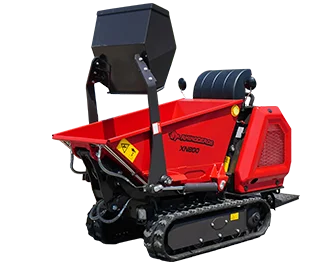
Mini Dumper Maintenance Schedule: What Actually Needs Servicing and When
Reviewed by Justin, Product Engineer· Based on official factory specifications, August 2026
Quick answer: Mini dumper maintenance splits into three real categories: checks done before every shift, items serviced on a recurring schedule, and parts replaced only when wear shows—not one single interval that applies to everything. Exact hour intervals vary by model and configuration, so the operator manual for a specific machine is the final word; this covers what each category actually involves and why it matters.
A lot of maintenance guidance treats every checklist item as equally frequent, which isn’t how it works in practice. Some things genuinely need eyes on them every single day. Others only matter once wear starts showing. Mixing the two together is how small issues get missed.
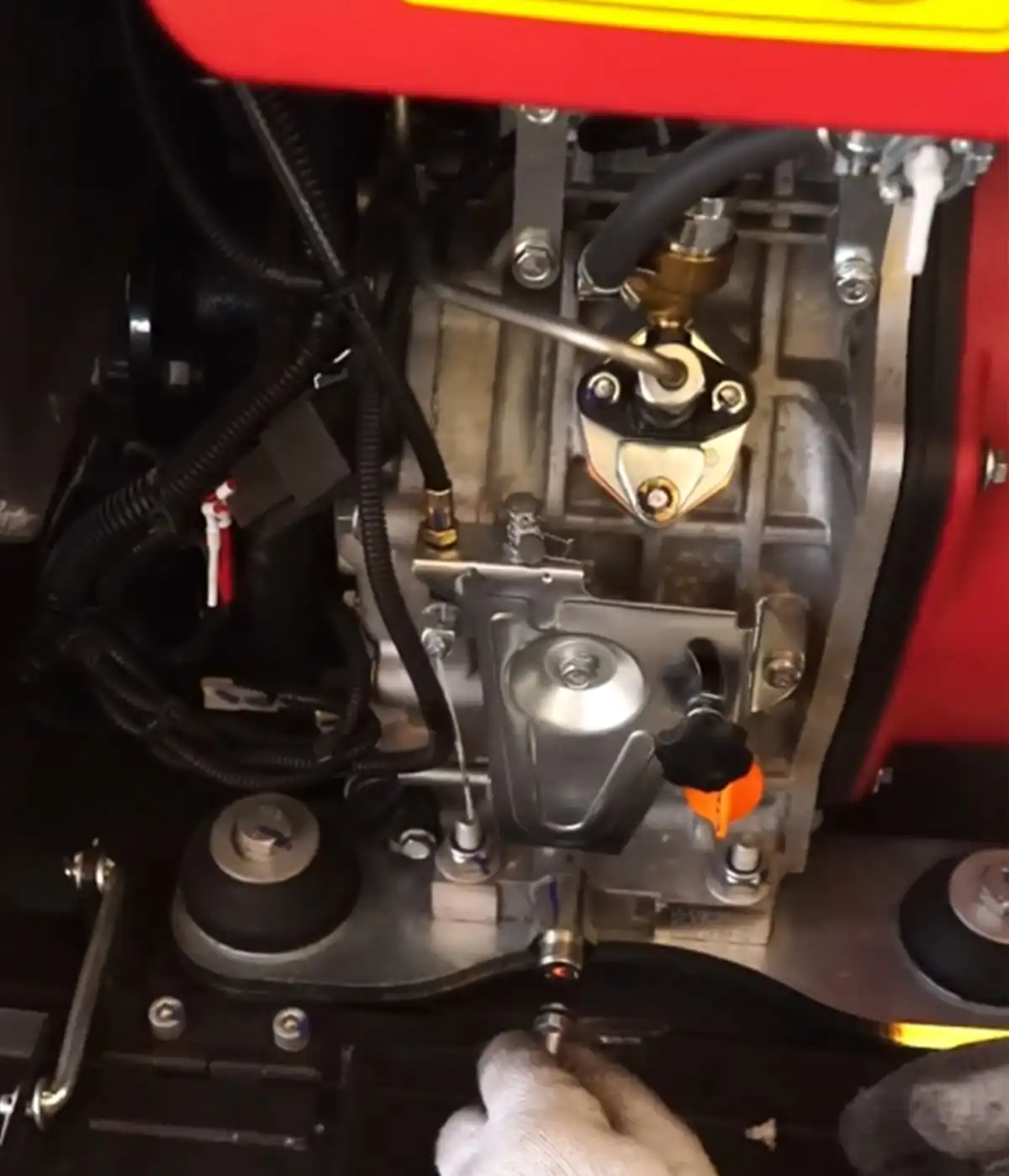
Before Every Shift: The Checks That Take Minutes
These aren’t optional extras—they’re the fastest way to catch a problem before it becomes an expensive one.
Hydraulic Fluid Level and Visible Leaks
A quick look at the fluid level and a scan around hoses and fittings for fresh leaks takes under a minute and catches the majority of hydraulic issues while they’re still minor. A slow leak that goes unnoticed for weeks is a far more expensive repair than one caught on day one.
Track or Tire Condition
Whether the machine runs on rubber tracks or tires, a visual check for cuts, embedded debris, or uneven wear before startup prevents a small issue from turning into a mid-shift breakdown, especially on sites with sharp debris like demolition or scrap material.
Battery Charge (Electric Models)
For lithium-powered models, confirming charge level before the shift starts avoids the more disruptive scenario of running low mid-task on a site without charging access nearby.
On a Recurring Schedule: Items That Need Periodic Attention
These don’t need daily attention, but skipping them for too long is where most avoidable downtime comes from.
Track Tension or Tire Pressure
Track tension that’s too loose accelerates wear on the undercarriage; too tight adds unnecessary strain on the drive components. Tire pressure that drifts out of range affects both stability and tire life. Both need periodic adjustment, not a one-time setting.
Grease Points and Pivot Bushings
Bucket pins, pivot points, and linkage bushings wear faster without regular greasing, and the resulting play in the linkage is often mistaken for a bigger mechanical problem when it’s really just an overdue grease interval.
Air Filter Inspection
On engine-powered models, a clogged air filter reduces power output gradually enough that operators often attribute the loss to the machine rather than the filter, until it’s replaced.
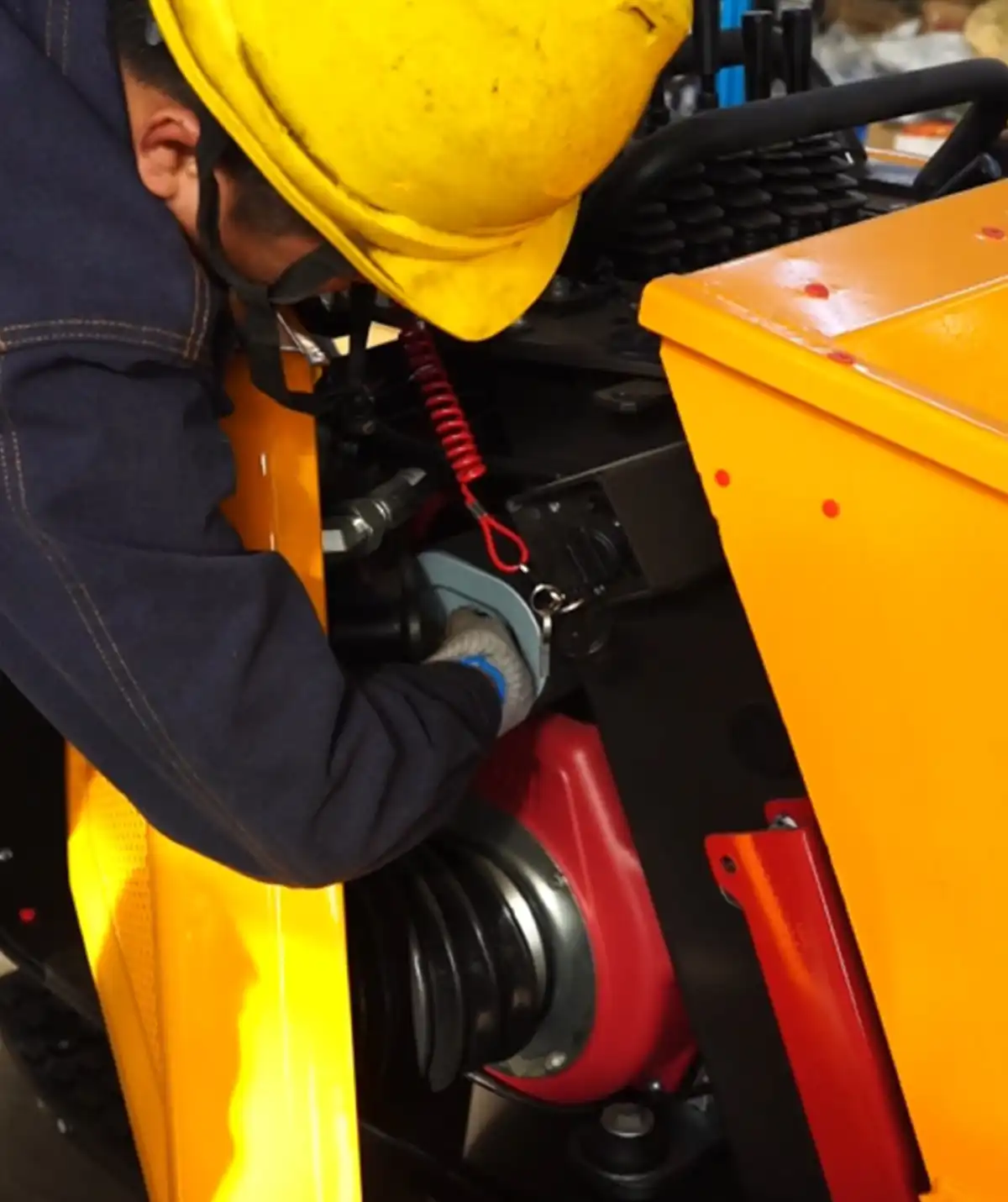
As Wear Indicates: Not Scheduled, But Not Optional
These items don’t follow a fixed calendar—they get replaced when inspection shows they need it, and ignoring the warning signs is what turns a routine part swap into an unplanned repair.
Track pads or tire tread —replaced once wear affects traction or stability, not on a fixed timetable.
Hydraulic hoses—replaced at the first sign of cracking, bulging, or weeping, not after they fail.
Bucket edge and teeth —replaced once digging or loading efficiency visibly drops.
Why Exact Hour Intervals Aren’t Listed Here
Service intervals vary by model, engine or battery configuration, and how the machine is used, so a single set of hour figures applied across the whole lineup would be more likely to mislead than help. The operator manual for the specific model is the accurate source for exact intervals; this article covers the categories and reasoning that apply regardless of which model is in front of you.
Frequently Asked Questions
Do maintenance needs differ much between a light-duty and a heavy-duty mini dumper?
The categories of maintenance are the same, but heavier-duty machines under more continuous load typically show wear on grease points and hydraulic components sooner, simply because they’re working harder more often.
What’s the most commonly overlooked maintenance item on a mini dumper?
Grease points and pivot bushings are easy to skip since a little play in the linkage doesn’t immediately affect performance, but it accelerates wear on surrounding components the longer it’s left unaddressed.
Can routine checks be done by the operator, or is professional service required?
Daily pre-shift checks and periodic items like grease points are designed to be handled by the operator. More involved work, such as hydraulic component repair, is better handled by a qualified service technician.
This content provides general maintenance guidance and does not replace the specific service intervals and procedures listed in the operator manual for a given model. Confirm exact intervals and procedures with Rhinoceros or the manual before performing service.