 中文
中文
 Español
 Francés
 Русский
 Português
 العربية
 Deutsch
 Italiano
 한국인
한국인
 Melayu
 ไทย
ไทย
 Việt
Việt
 bahasa Indonesia
 қазақ
қазақ
 Nederlands
 Ελληνικά
 Magyar
 čeština
 Suomalainen
 Filipino
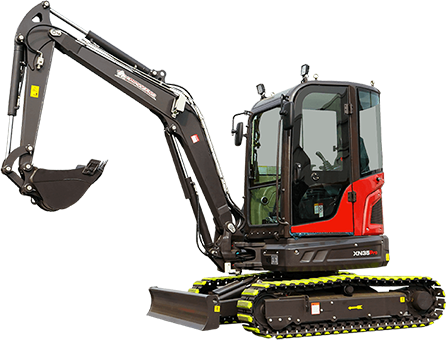
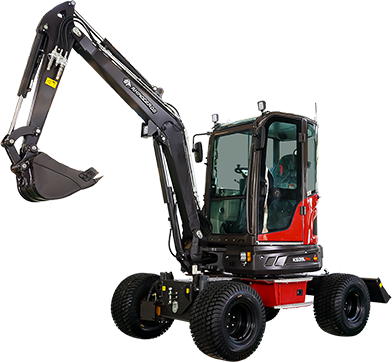
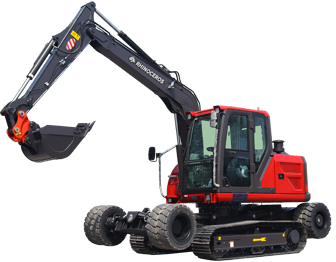
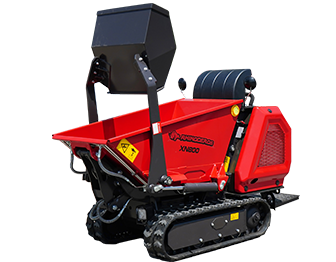
Diesel vs Electric: XN12-9 vs XN12EV-8, Which Fits Your Site?
Reviewed by Justin, Product Engineerr · Specifications based on official factory data, July 2026r · Sources cited below
Quick answer: The diesel XN12-9 (1130 kg) and the electric XN12EV-8 (1220 kg) sit in the same weight and bucket class, so the choice usually comes down to where you're working, not what you're digging. Indoors, near residences, or anywhere noise and exhaust are a problem, the XN12EV-8's battery-electric drive is the clear fit. On a remote or all-day outdoor site, the XN12-9's diesel engine avoids the recharge window a battery machine needs.
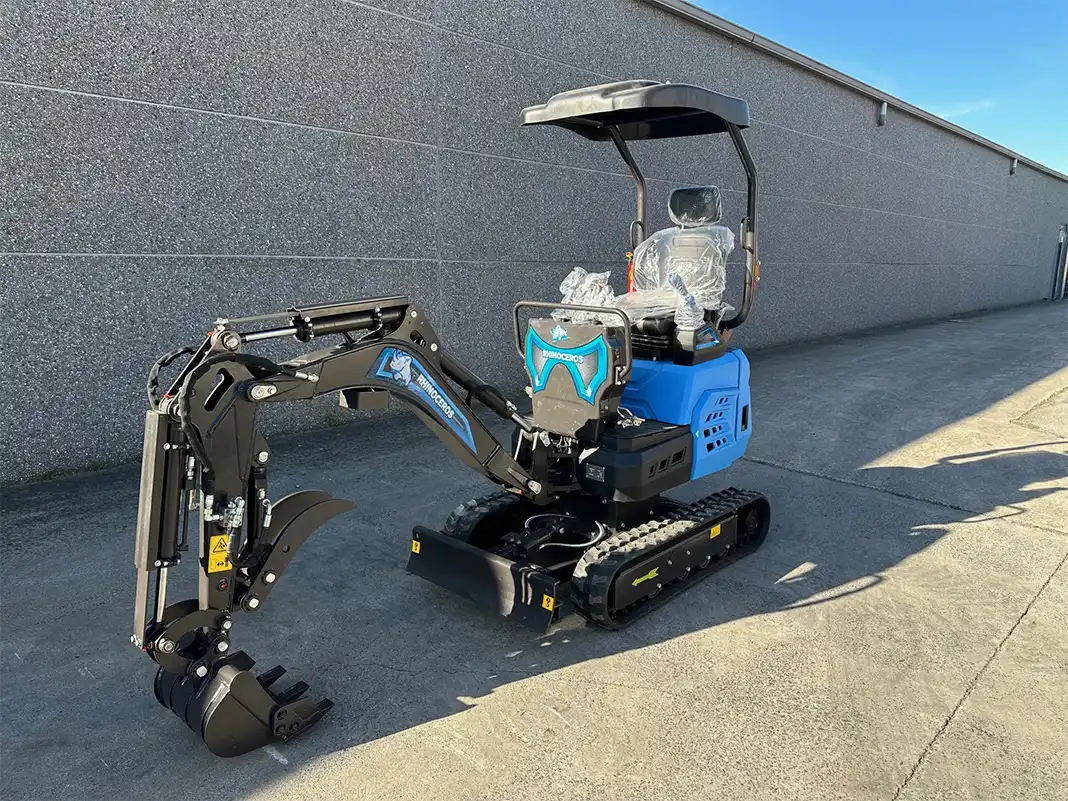
Swap a diesel engine for a lithium battery and the digging mechanics barely change - the real difference shows up in where you can run the machine and how you plan your day around it, not in how deep it reaches.
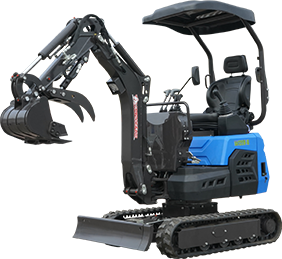
The XN12-9 and XN12EV-8 make an unusually direct comparison because they land in almost the same size class: same 0.02 cbm bucket, only 90 kg apart in weight. That makes this less a “which is more powerful” question and more a “which power source fits your job” one.
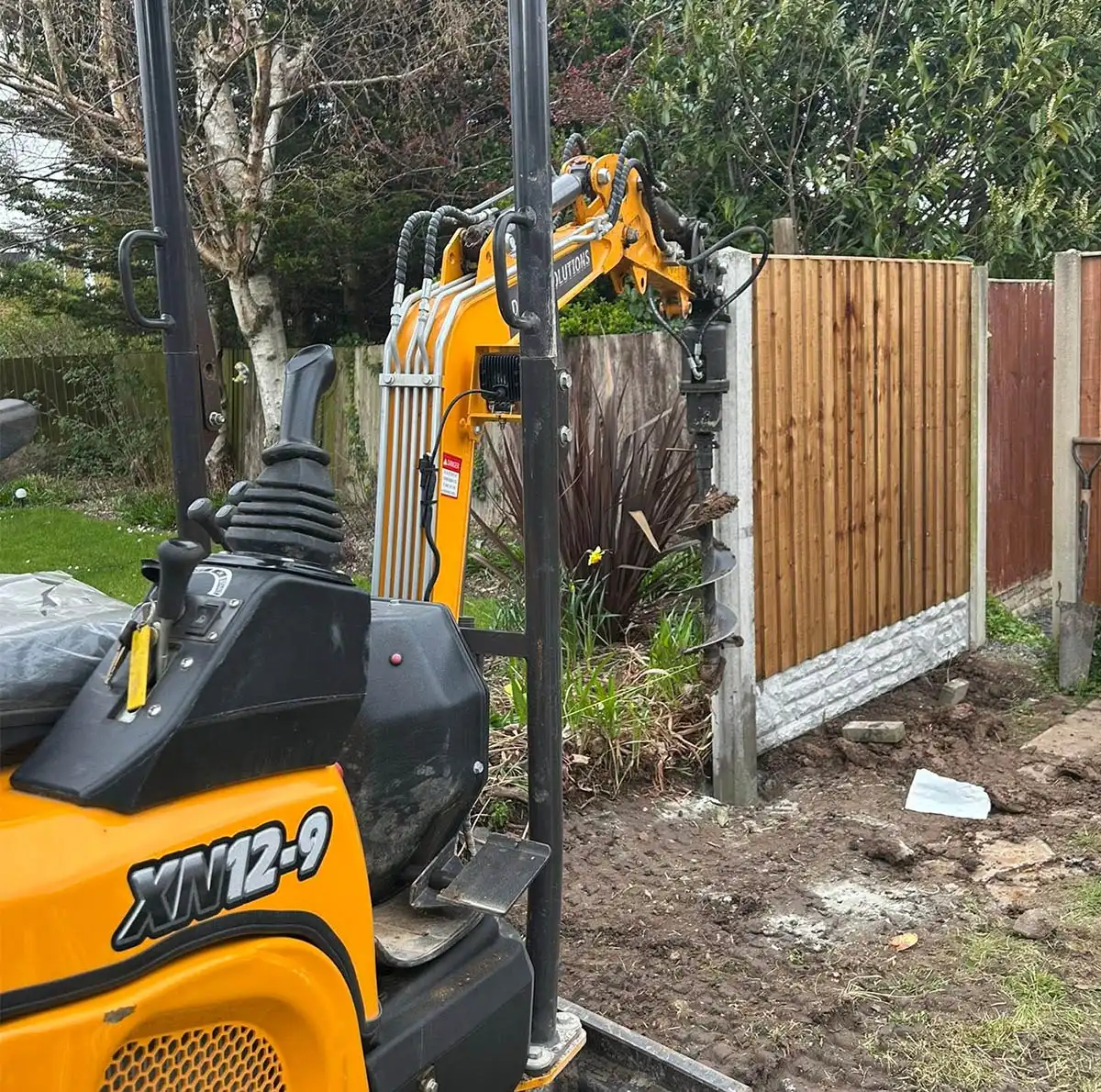
Side-by-Side: What's Confirmed
| Spec | XN12-9 (Diesel) | XN12EV-8 (Electric) |
|---|---|---|
| Machine Weight | 1130 kg | 1220 kg |
| Bucket Capacity | 0.02 cbm | 0.02 cbm |
| Width | 930 / 800 mm (extended/retracted) | 950 mm |
| Power Source | Kubota 3-cylinder diesel, 10.2/11.8 kW | Permanent magnet DC brushless motor, lithium phosphate battery |
| Runtime | Limited by fuel tank, refuels in minutes | Rated 6-8 hours per the manufacturer, then requires recharging |
| Certification | CE / EPA | CE |
Source: Rhinoceros official product data, July 2026. Digging radius and depth for the XN12EV-8 were not available in the source data used for this comparison and should be confirmed directly before publishing exact figures.
Where the Electric Motor Actually Wins
Zero tailpipe emissions and a meaningfully quieter operating profile make the XN12EV-8 the practical choice for indoor demolition, basements, greenhouses, or any residential job where a diesel engine's noise and exhaust would be a problem before the digging even starts. There's no idle exhaust smell to manage and no fuel storage to arrange on site.
It also removes a maintenance category entirely - no oil changes, no fuel filters, no diesel particulate concerns. What replaces that is battery care, which is a different discipline, not a lighter one.
Where Diesel Still Makes Sense
A diesel tank refuels in minutes; a battery pack does not. On a remote site with no reliable power hookup, or a job that runs a full shift without a natural break, the XN12-9's diesel engine avoids planning the day around a charging window. For rental fleets moving between multiple job sites in a day, that flexibility often outweighs the noise and emissions trade-off.
Frequently Asked Questions
Does the XN12EV-8 dig as deep as the XN12-9?
Both use the same 0.02 cbm bucket class, but exact digging radius and depth figures for the XN12EV-8 were not confirmed in the source data for this comparison, so this should be checked directly against the current product page before assuming equivalent reach.
How long does the XN12EV-8 run before needing a recharge?
The manufacturer rates it for six to eight hours of use, though actual runtime depends on load and duty cycle, and should be confirmed for your specific application before planning a full shift around it.
Is the electric version significantly heavier than the diesel version?
Only slightly - the XN12EV-8 is about 90 kg heavier than the XN12-9, which is a small enough difference that it rarely changes transport or access planning on its own.
Sources
Rhinoceros (Shandong Kenstone Heavy Machinery Co., Ltd.) - XN12-9 official specification page, retrieved July 2026
Rhinoceros (Shandong Kenstone Heavy Machinery Co., Ltd.) - XN12EV-8 official product data, provided July 2026
Kubota® is a registered trademark of Kubota Corporation; this content is not sponsored or endorsed by Kubota Corporation. Specifications reflect standard configurations and may vary by option package; confirm current specifications directly with Rhinoceros before purchase.