 中文
 Español
 Francés
 Русский
 Português
 العربية
 Deutsch
 Italiano
 한국인
 Melayu
 ไทย
 Việt
 bahasa Indonesia
 қазақ
 Nederlands
 Ελληνικά
 Magyar
 čeština
 Suomalainen
 Filipino
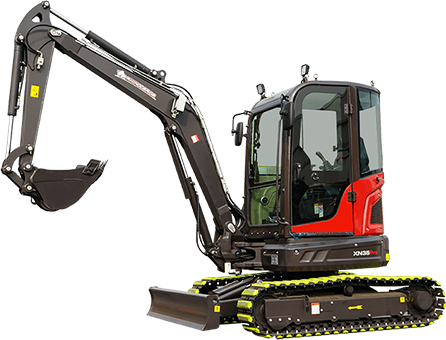
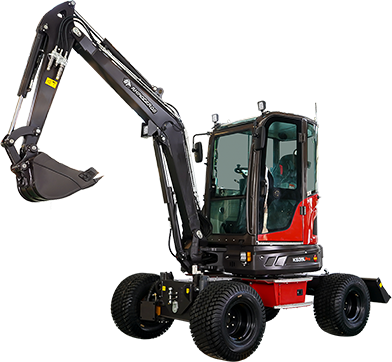
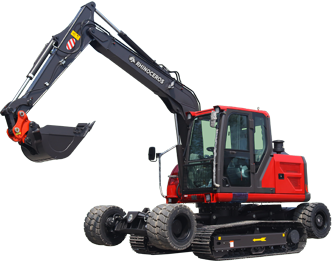
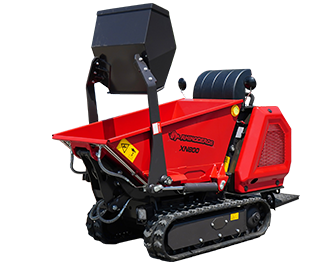
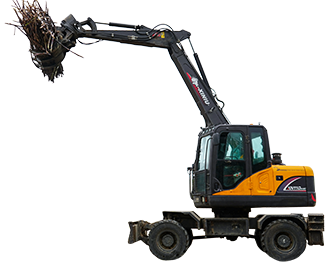
Wheel excavator TCO: tires vs tracks over time
Reviewed by Justin, Product Engineer·Based on official factory specifications, August 2026
The sticker price comparison between a wheel and crawler excavator misses where the real ongoing cost difference actually shows up: what wears out, what gets punctured, and what that costs to fix over the life of the machine.
Two very different wear patterns
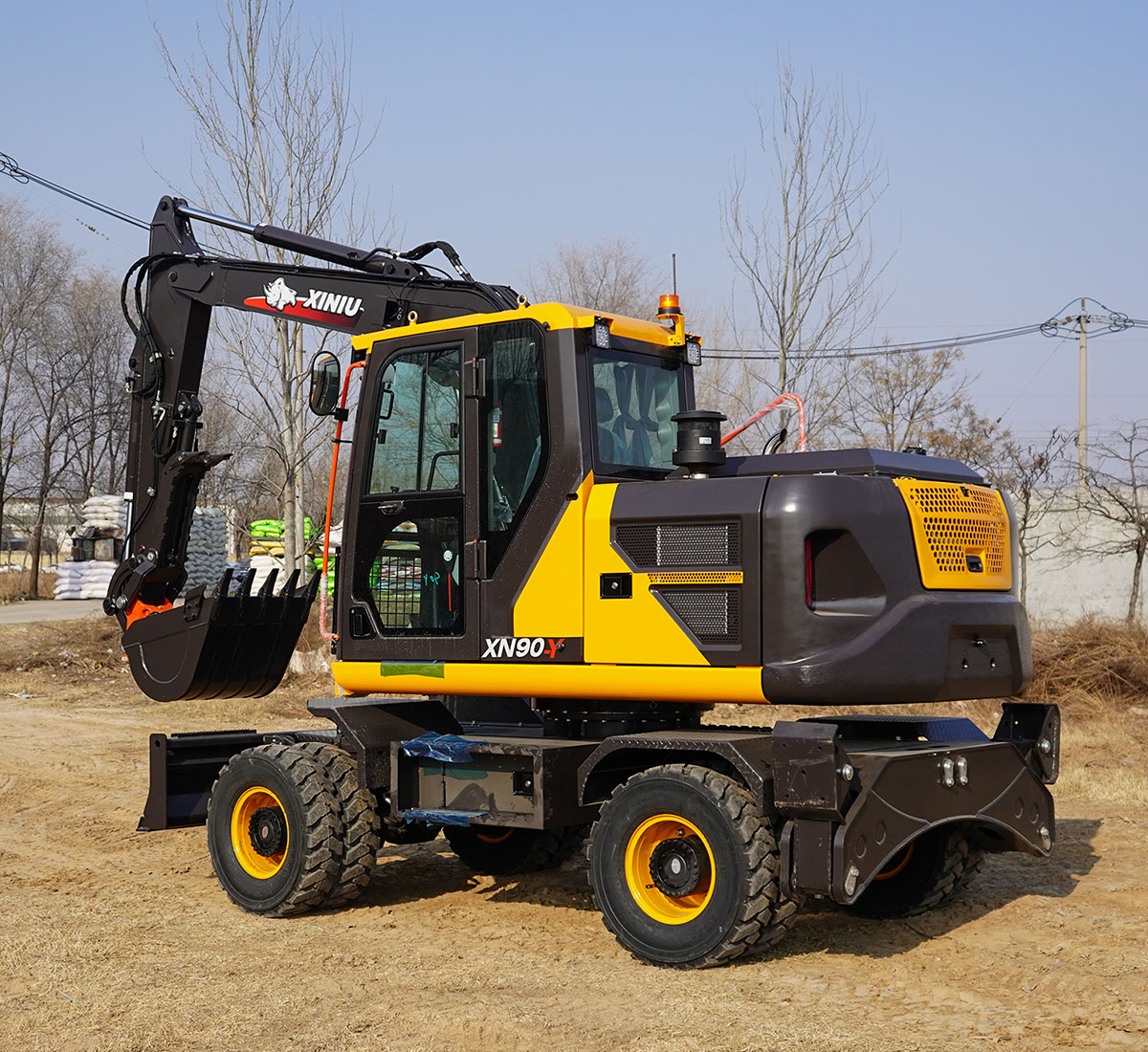
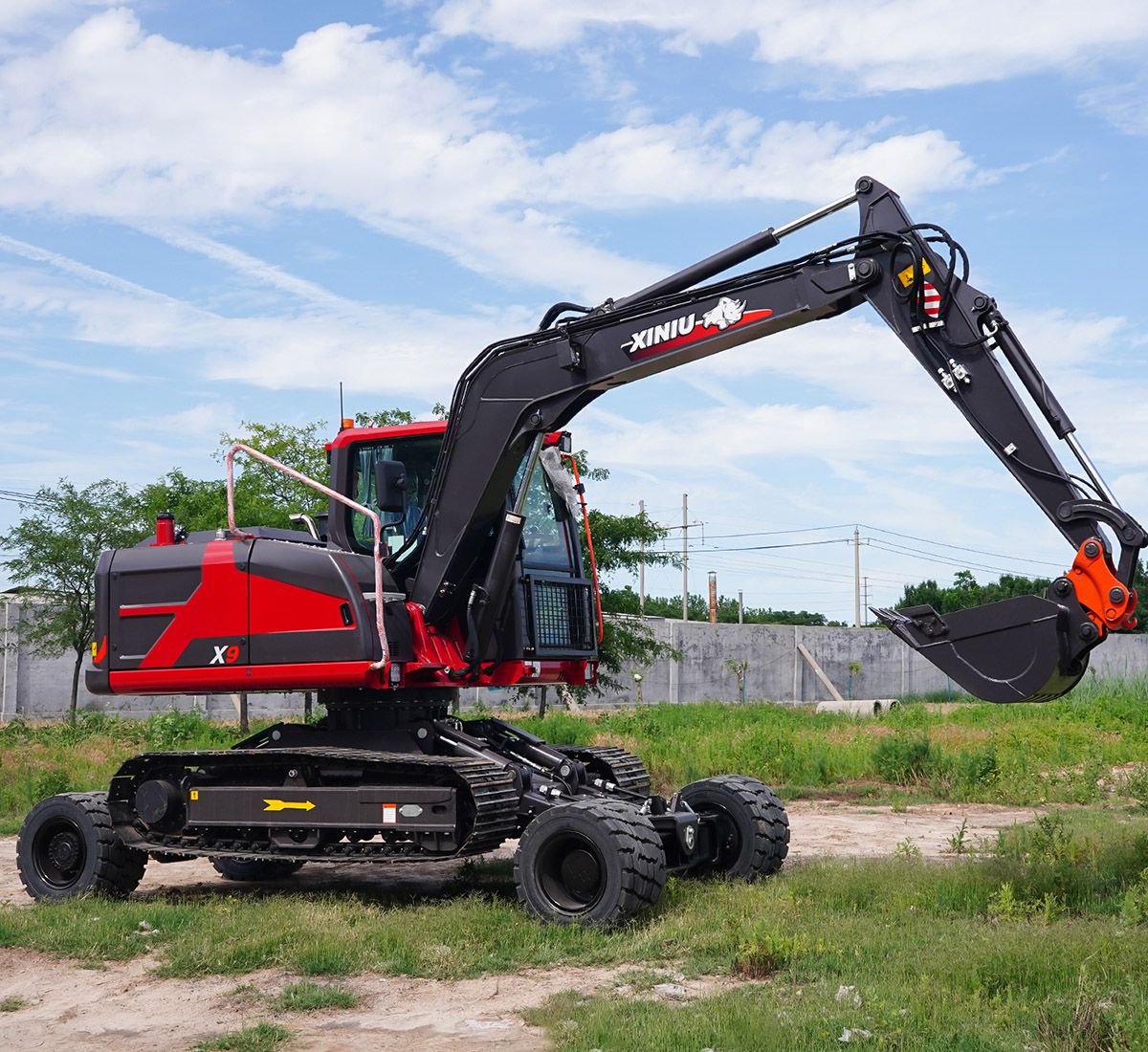
A crawler undercarriage wears gradually across rollers, idlers, and sprockets, all of which degrade together over thousands of hours and typically get replaced as a set once worn. A wheel excavator's tires wear differently: gradual tread wear from normal use, plus the added risk of sudden failure from a puncture on a job site with debris, rebar, or sharp demolition material. One is a predictable, scheduled cost. The other has an unpredictable component that a crawler machine simply doesn't carry.
Where wheels actually save money
The cost advantage runs the other direction on paved or improved surfaces. Tires cause far less wear on asphalt or concrete than tracks do, and they don't damage finished surfaces the way steel tracks can over repeated passes. For a contractor working mostly on paved sites, roadwork, or municipal jobs, that reduced surface damage is a real cost avoided, even if it doesn't show up on a maintenance invoice the way a tire replacement does.
Where tracks still win on cost
On rough, rocky, or debris-heavy ground, the calculation flips. Track systems tolerate that kind of terrain without the puncture risk tires carry, and the gradual wear pattern of rollers and sprockets is easier to plan a maintenance budget around than an unpredictable tire failure. A contractor doing mostly site clearing, demolition, or rough grading is generally looking at lower total wear-related cost with a crawler undercarriage, terrain permitting.
The variable most buyers skip: site mix
The honest answer to "which costs less over time" depends on where the machine actually spends its hours, not on the machine itself. A fleet running mostly paved municipal work has a different cost profile than one running mostly demolition sites, even with the identical model. Tracking roughly what percentage of a machine's working hours happen on paved versus rough terrain is a better predictor of total cost than any spec sheet comparison.
Frequently asked questions
Are tires more expensive to replace than track components?
It depends on the specific failure. A worn tire replaced on schedule is a routine cost; a punctured tire on a demolition site is an unplanned one, which is the real difference from a budgeting standpoint.
Do wheel excavators need tire replacement more often than crawler machines need track service?
Not necessarily more often on paved sites, but puncture risk on debris-heavy ground can shorten tire life unpredictably in a way scheduled track wear doesn't.
Is there a simple rule for choosing between wheels and tracks based on cost alone?
Mostly paved or improved-surface work favors wheels; mostly rough or debris-heavy terrain favors tracks. Mixed site work is where the decision gets genuinely close.
Specifications reflect standard configurations and may vary by option package; actual maintenance costs depend on site conditions, usage patterns, and local parts pricing.