 中文
中文
 Español
 Francés
 Русский
 Português
 العربية
 Deutsch
 Italiano
 한국인
한국인
 Melayu
 ไทย
ไทย
 Việt
Việt
 bahasa Indonesia
 қазақ
қазақ
 Nederlands
 Ελληνικά
 Magyar
 čeština
 Suomalainen
 Filipino
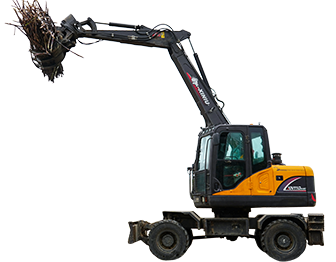
Wheel Excavator Maintenance vs Crawler: What Changes
Reviewed by Justin, Product Engineer· Based on official factory specifications, August 2026
Quick answer: The engine, hydraulics, and attachment maintenance are essentially the same as any excavator. What changes is the undercarriage: tires need pressure checks and wear inspection instead of track tension adjustment, and wheel bearings and axles take the place of track rollers and sprockets. Neither system is more demanding overall—they're just different checklists.
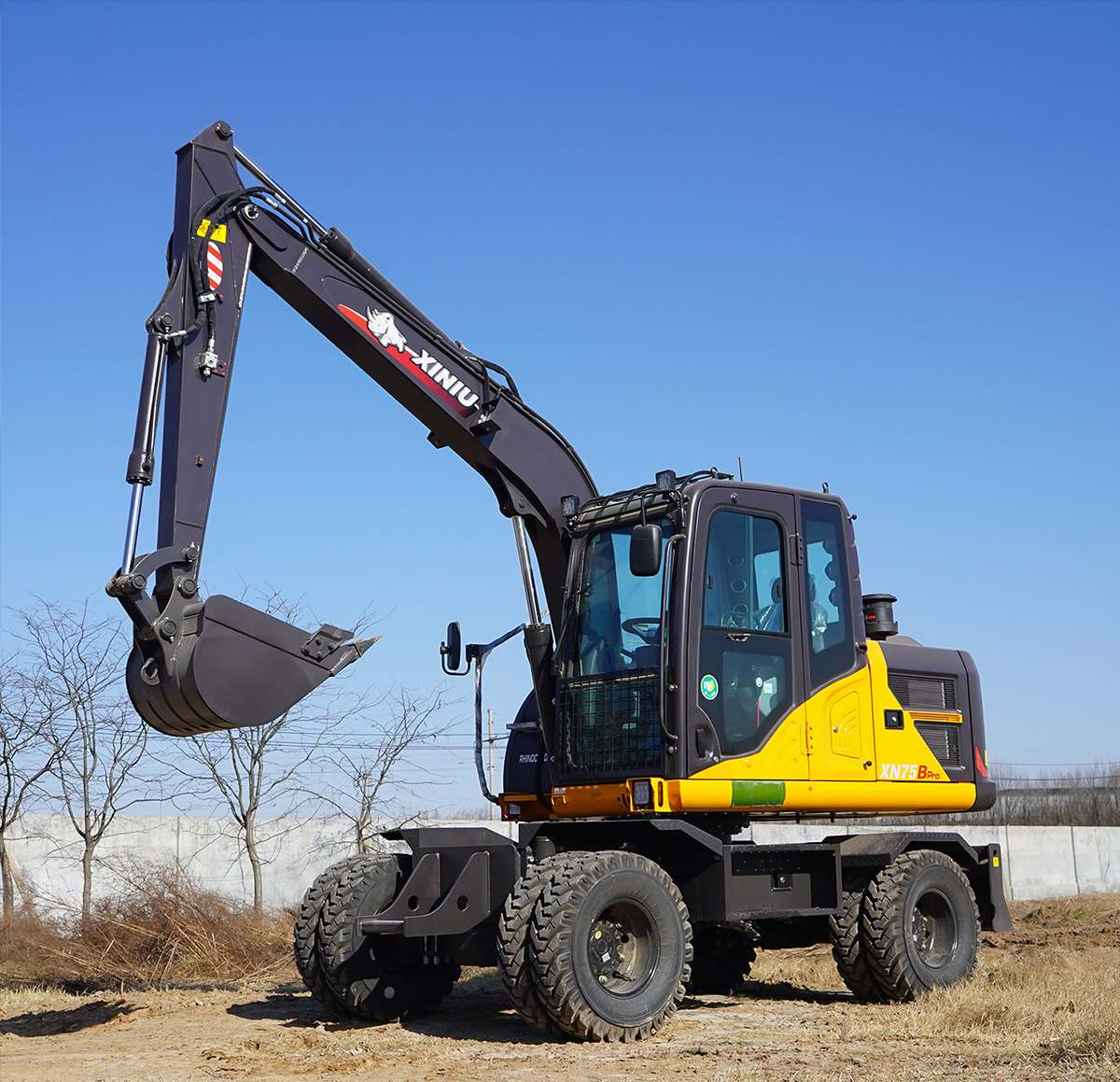
Buyers moving from a crawler machine to a wheel excavator sometimes assume the whole maintenance routine changes. Most of it doesn't. The engine still needs oil and filter changes on schedule, the hydraulic system still needs fluid and filter checks, and the attachment pins still need greasing. The undercarriage is where the routine actually diverges.
What Stays the Same
Engine service intervals, hydraulic fluid and filter changes, and attachment maintenance follow the same schedule logic regardless of what the machine rolls on. If a crew is already comfortable maintaining a crawler excavator, most of that knowledge transfers directly.
What Actually Changes: The Undercarriage
Tire Pressure Replaces Track Tension
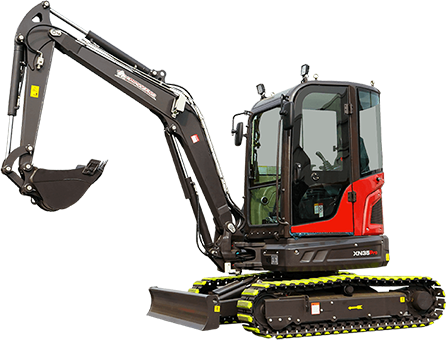
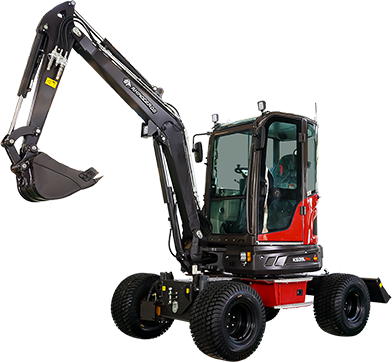
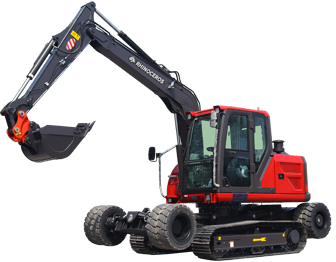
A crawler machine needs periodic track tension checks—too loose and the track can derail, too tight and it accelerates wear on rollers and sprockets. A wheel excavator swaps that for tire pressure checks, which take less time but need to happen more frequently, since incorrect pressure affects both wear and stability more noticeably than a slightly loose track does.
Wheel Bearings and Axles Replace Rollers and Sprockets
Track undercarriages wear at the rollers, idlers, and drive sprockets, all of which eventually need replacement as a set. Wheel undercarriages shift that wear point to bearings and axle components, which tend to have a more predictable service life and are generally faster to inspect visually than a full track system.
Tire Damage Is a Different Kind of Risk Than Track Damage
A punctured tire on a jobsite with debris, rebar, or sharp demolition material is a real consideration for wheel excavators in a way it isn't for tracked machines. Crews working demolition or scrap sites regularly should factor tire condition into daily walkarounds the way they'd check track tension on a crawler machine.
The Net Effect on Downtime
Neither system is objectively lower-maintenance. Tire checks are quicker individually but happen more often; track systems need less frequent attention but each service event tends to take longer. For a crew already used to one system, the other isn't a steep learning curve—it's a different checklist covering the same underlying goal of catching wear before it becomes a breakdown.
Frequently Asked Questions
Do wheel excavators need more frequent maintenance than crawler machines?
Not more frequent overall—tire checks happen more often but take less time individually, while track maintenance is less frequent but more involved per service event.
Is engine maintenance different between wheel and crawler excavators?
No. Engine and hydraulic service schedules are determined by the powertrain, not the undercarriage, so they're essentially identical across both types.
Are tires a bigger risk on demolition or scrap sites?
Yes. Sharp debris and rebar pose a puncture risk that a tracked undercarriage doesn't share, so daily tire inspection matters more on those job types specifically.
Specifications and maintenance intervals reflect standard configurations and may vary by option package; consult the operator manual for model-specific service schedules.