 中文
 Español
 Francés
 Русский
 Português
 العربية
 Deutsch
 Italiano
 한국인
 Melayu
 ไทย
 Việt
 bahasa Indonesia
 қазақ
 Nederlands
 Ελληνικά
 Magyar
 čeština
 Suomalainen
 Filipino
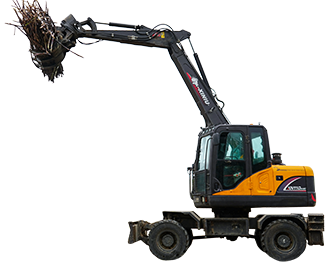
Wheel excavators for utility crews: scattered job days
Reviewed by Justin, Product Engineer· Based on official factory specifications, August 2026
A utility crew's day rarely looks like a single job site. It looks like six smaller ones: a valve repair here, a curb cut there, a drainage complaint across town. That scattered work pattern changes what actually matters in an excavator, and it's a different question from whether the machine can drive itself between sites.
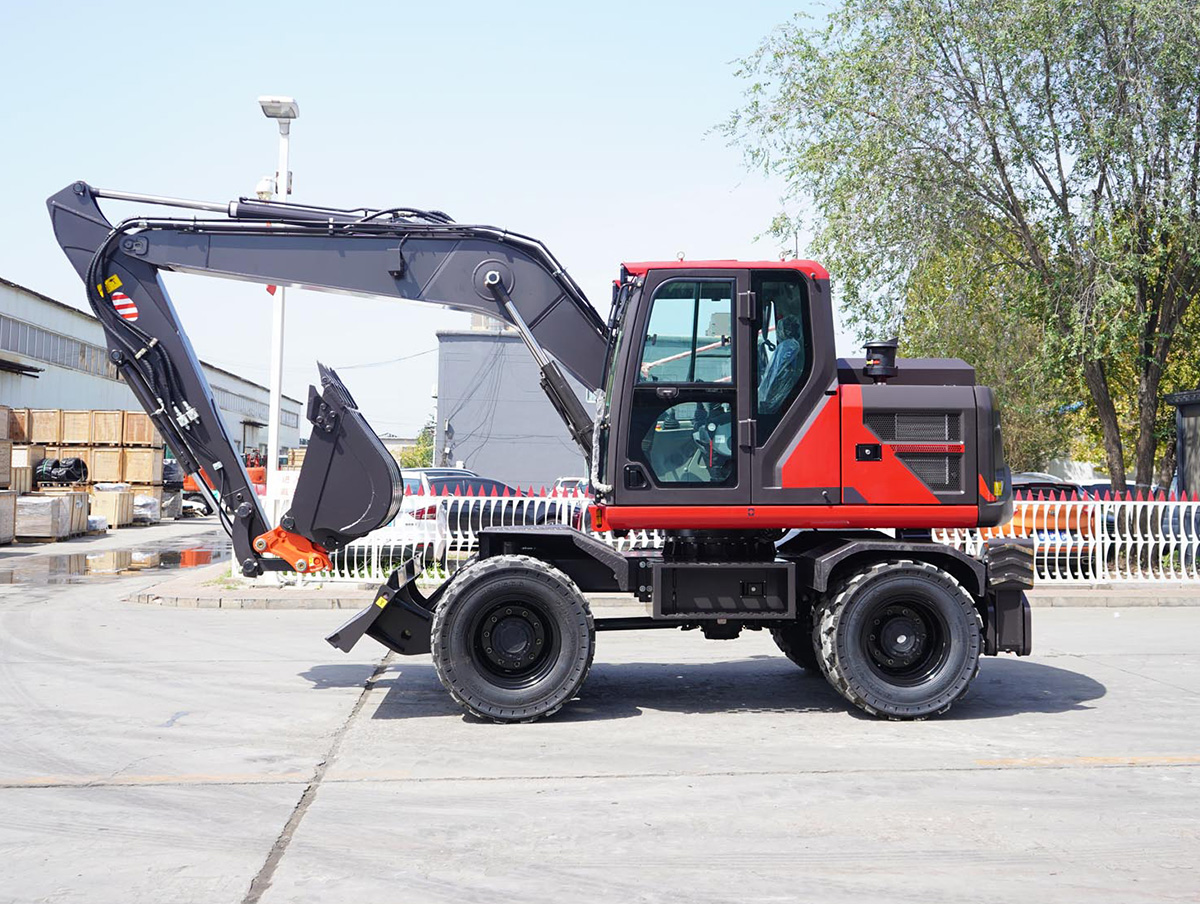
The real constraint isn't speed, it's scheduling friction
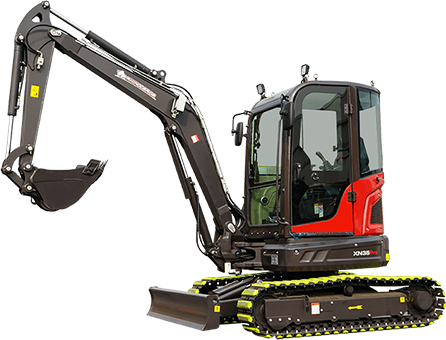
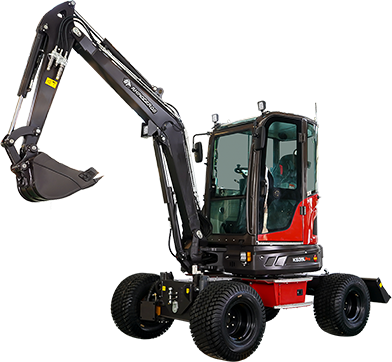
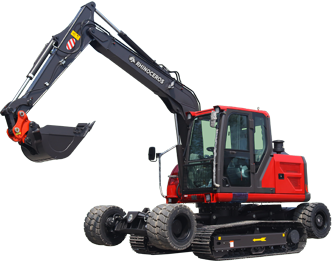
A previous piece covered how fast a wheel excavator like the XN60L can travel between sites. For a utility crew, the more relevant question is how much coordination each move costs, not just how many kilometers per hour it happens at. Loading a crawler machine onto a trailer for a six-stop day adds a fixed block of time to every single stop, regardless of distance. A wheel excavator that drives itself removes that fixed cost from each move, and across six stops in a day, that adds up faster than the speed difference alone suggests.
Why job diversity favors a wheel machine specifically
Utility work covers a wider range of job sizes than most contractor work. A valve box repair might need ten minutes of digging. A drainage complaint might need two hours. A crawler machine sized for the bigger jobs is oversized and slow to reposition for the smaller ones. A wheel excavator's ability to arrive, work briefly, and move on without a trailer matches that unpredictable job mix better than a machine optimized for staying in one place all day.
What this changes about fleet planning
Crews planning around wheel excavators for this kind of work tend to route by proximity rather than by job size, since the cost of an extra stop is lower than it would be with trailer-dependent equipment. That changes how a dispatcher plans a route: clustering nearby small jobs becomes worth doing even when each one alone wouldn't justify sending a machine.
Where a crawler machine still makes more sense
None of this means every utility job favors wheels. A single large excavation that keeps a machine on site for a full day or more gets no benefit from road-travel speed, and the fixed trailer cost of a crawler machine is a one-time expense rather than a repeated one on that kind of job. The advantage is specifically in the scattered, multi-stop pattern, not in excavation work generally.
Frequently asked questions
Does a wheel excavator make sense for a crew doing mostly single-site jobs?
Less so. The advantage comes from reduced per-move overhead across multiple stops, which matters less when a crew stays on one site for most of a day.
How does route planning change with self-propelled equipment?
Dispatchers can cluster nearby small jobs more freely, since each additional stop costs less time than it would with trailer-dependent equipment.
Is there a job size where a crawler machine still makes more sense for utility work?
Yes, generally larger excavations that keep a machine on one site long enough that the trailer cost is a one-time expense rather than a repeated one.
Specifications reflect standard configurations and may vary by option package; confirm current specifications directly with Rhinoceros before purchase. Road-use requirements vary by jurisdiction.