 中文
 Español
 Francés
 Русский
 Português
 العربية
 Deutsch
 Italiano
 한국인
 Melayu
 ไทย
 Việt
 bahasa Indonesia
 қазақ
 Nederlands
 Ελληνικά
 Magyar
 čeština
 Suomalainen
 Filipino
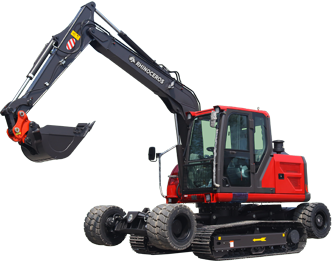
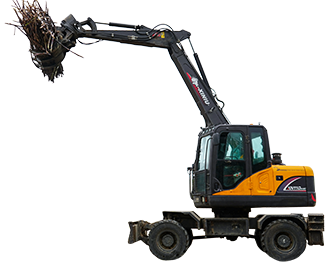
Financing a Wheel Excavator: Loan vs Lease vs Rent
Reviewed by Justin, Product Engineer· Based on official factory specifications and industry reporting, August 2026
TL;DR: Loan APRs range from 5% for strong credit to nearly 29% for weak credit. Leasing lowers monthly payments but skips ownership. The right choice depends on how long you'll keep the machine.
Most contractors buying a wheel excavator aren't paying cash, and the financing structure chosen affects the real cost of the machine as much as the negotiated purchase price does. Understanding the options before talking to a lender puts a buyer in a stronger position than walking in and accepting whatever's offered first.
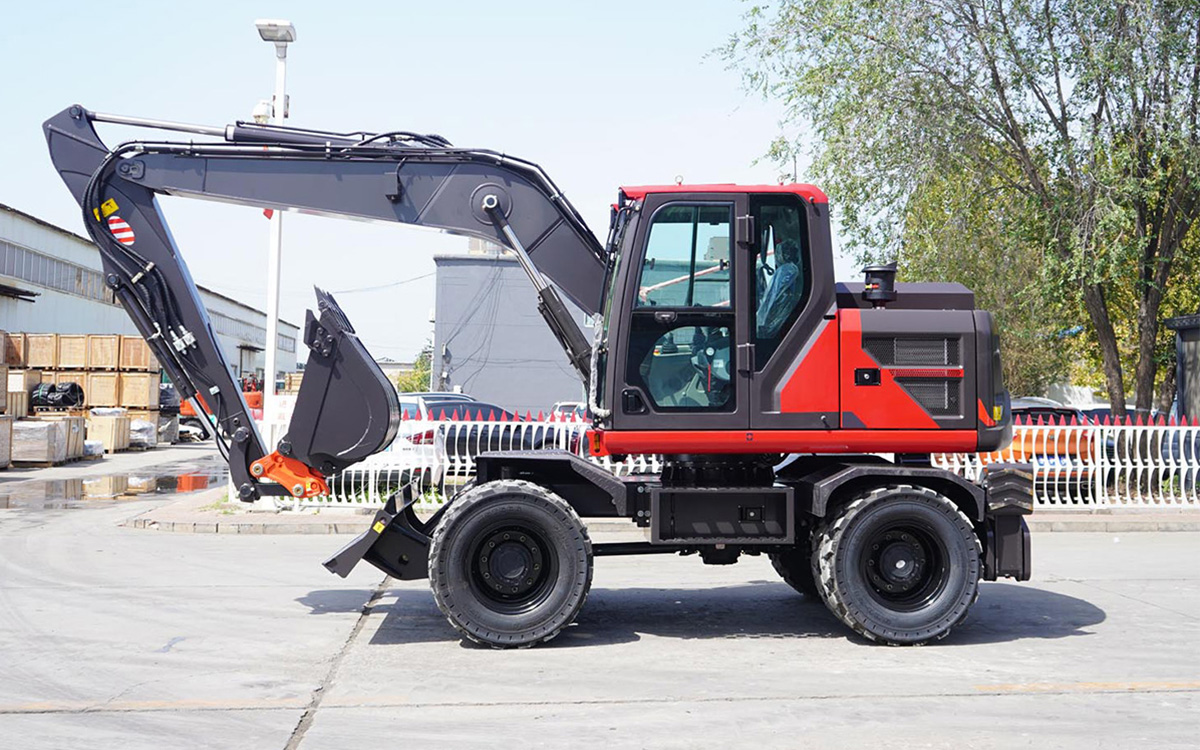
Three ways to acquire the machine, and how they actually differ
Equipment loan
A straightforward arrangement: a lender provides funds to purchase the machine, the buyer owns it from day one, and the machine itself typically serves as collateral. Most equipment loans cover 80 to 100 percent of the purchase price, meaning a buyer with strong credit may need little to no down payment at all.
Equipment lease
A lease allows use of the machine without owning it outright, with monthly payments over a fixed term. At the end, the options are typically returning the machine, renewing the lease, or purchasing it for its residual value. Leases generally offer lower monthly payments than a loan for the same machine, since the buyer isn't paying toward full ownership.
Renting
No financing commitment at all, at a meaningfully higher cost per day of actual use. Renting suits short-term needs, testing a machine type before committing, or genuinely one-off projects where ongoing ownership doesn't make sense.
What the numbers actually look like in 2026
Equipment loan rates for construction machinery typically run 6.5 to 11 percent APR from traditional lenders for well-qualified borrowers, with construction equipment consistently priced among the more favorable categories since lenders view it as strong collateral with reliable resale value, according to 2026 equipment loan rate data by industry. Weaker-credit borrowers pay meaningfully more: illustrative 2026 scenarios on a $50,000 loan show roughly $1,014 a month at 8 percent APR for excellent credit, climbing to around $1,468 a month at 25 percent APR for weaker credit, a gap of nearly $27,000 in total interest over the loan's life, according to 2026 equipment financing rate analysis.
Some manufacturers have offered promotional 0 percent financing for up to 60 months on qualifying new machines through parts of 2026, though these promotions are typically brand and model specific rather than available universally across the compact equipment category, so it's worth confirming current promotional terms directly with whichever manufacturer or dealer is involved in a specific purchase.
Five questions that determine which structure fits
How long do you realistically expect to keep this specific machine?
Is preserving cash for payroll, materials, and other working capital more valuable than owning the asset outright?
What's your current credit profile, and how does that affect the rates actually available to you?
Does your business plan to upgrade to a larger or different machine within the next few years?
Would the monthly payment be covered comfortably by revenue the machine itself generates?
A buyer planning to keep a machine for its full working life, with reasonable cash reserves and solid credit, often comes out ahead financing or paying cash. A buyer expecting to upgrade within a few years, or prioritizing lower monthly payments over eventual ownership, often finds leasing the better structural fit.
The real math behind renting versus buying long-term
Renting feels like the lowest-commitment option, but the total cost comparison changes significantly with usage frequency. Frequent, regular use compounds daily rental fees into a total that can exceed a comparable machine's purchase price well within a few years, which is part of why rental spend beyond occasional or seasonal use tends to favor ownership once the math is actually run. That comparison flips the other direction for genuinely occasional use, where rental's zero-commitment structure avoids paying for a machine that would otherwise sit idle most of the year.
What lenders actually check before approving
Beyond the headline credit score threshold, lenders typically want to see two to three years of business tax returns, recent bank statements, proof of insurance, and a formal quote from the equipment dealer specifying exactly what's being financed and for how much, according to industry financing guidance for contractors and equipment buyers. A newer business without that history isn't automatically excluded, but should expect closer scrutiny of industry experience and a clearer explanation of how the machine will generate revenue.
The credit score reality, without sugarcoating it
A 680 or higher credit score generally unlocks reasonable rates, with 720+ getting access to the best terms available. Scores below 620 can still qualify in many cases, but expect a larger down payment, shorter terms, and meaningfully higher rates, sometimes into the high 20s percent APR range. This isn't a reason to avoid financing with weaker credit, but it is a reason to run the actual numbers before assuming financing is automatically cheaper than renting or delaying the purchase to improve credit first.
A tax consideration worth knowing about
In the United States, Section 179 of the tax code allows businesses to deduct the full purchase price of qualifying equipment placed in service during the tax year, even when the equipment is financed rather than paid for in cash, according to IRS guidance referenced across multiple 2026 equipment financing sources. For many contractors, this deduction meaningfully reduces the real after-tax cost of financing new equipment, though eligibility and limits vary by year and business situation, and this isn't a substitute for guidance from a qualified accountant familiar with your specific tax situation.
Used equipment financing: what changes
Financing a used wheel excavator generally works the same way as financing a new one, with two consistent differences: rates typically run 1 to 2 percent higher than new-equipment financing, and loan terms are usually shorter, often capped around 60 months compared with up to 84 months available on some new equipment loans. This is worth factoring into a used-versus-new purchase decision alongside the machine's price difference alone, since the financing terms themselves shift the total cost comparison.
International and cross-border financing considerations
A buyer sourcing a wheel excavator directly from an overseas manufacturer faces a financing landscape somewhat different from domestic equipment loans. Letters of credit and trade finance arrangements are commonly used to bridge the gap between standard equipment loan structures and overseas procurement, according to 2026 equipment financing coverage addressing international sourcing specifically. A domestic bank or equipment lender may have limited experience financing a direct overseas purchase, which makes it worth discussing this specific scenario with a lender early, rather than assuming standard domestic equipment loan terms will apply automatically to an international transaction.
Confirm current terms directly before committing
Financing rates, promotional offers, and lender requirements change frequently and vary by region, lender, and buyer profile. Confirm current financing options and any available promotional terms directly with Rhinoceros or your chosen equipment dealer and lender before finalizing a purchase, since the figures in this article reflect general 2026 market conditions rather than a specific offer for any individual transaction.
Why financing often beats paying cash, even when cash is available
A contractor with $35,000 available to buy a machine outright has a fully paid asset, but also $35,000 less available for bidding on new projects, covering payroll during a slow month, or handling an unexpected repair elsewhere in the fleet, according to 2026 construction equipment financing guidance. Financing the same purchase over several years with a modest down payment keeps that cash working in the business while the machine itself generates revenue toward its own payments. Equipment financing volume industry-wide grew significantly through early 2026, a signal that more contractors are choosing to preserve working capital rather than pay cash even when they technically could, according to data from the Equipment Leasing and Finance Association referenced in 2026 excavator financing market analysis.
This isn't a universal rule. A contractor with substantial cash reserves and no near-term need for that capital elsewhere may still come out ahead paying cash and avoiding interest entirely. The point isn't that financing is always correct, it's that paying cash isn't automatically the financially smarter move just because it avoids interest payments.
How business age and history affect what's actually available
Financing options differ meaningfully depending on where a business sits in its lifecycle. An established business with two or more years of consistent revenue and solid credit typically has access to longer terms, lower down payments, and faster approval. A newer business or a first-time owner-operator can still get approved, but lenders look more closely at industry experience, even prior work as a 1099 contractor counts, and a clear explanation of how the machine will generate revenue matters more for a thinner credit file. Coming prepared with bank statements and a specific revenue plan, rather than a general intention to "start using it for jobs," measurably improves approval odds for a newer business.
Bundling multiple pieces of equipment into one financing package
A contractor buying a wheel excavator alongside other equipment, a trailer, an attachment package, or a second machine, can often bundle multiple purchases into a single lease or loan package rather than financing each separately. This can simplify monthly budgeting into one predictable payment rather than several, though it's worth confirming that bundling doesn't extend the term on faster-depreciating items like attachments beyond their realistic useful life just to match the term on the primary machine.
What a formal financing application actually requires
Beyond the credit score threshold, a lender processing an equipment financing application typically wants a specific, consistent set of documents ready upfront: recent business bank statements showing average balance and deposit patterns, a formal quote or invoice from the equipment seller specifying the exact machine and price, proof of business insurance, and in many cases a business license depending on structure and jurisdiction. Having these ready before applying, rather than gathering them reactively after a lender requests them, generally speeds approval and avoids delays that can push back a planned purchase or job start date.
A simple way to decide
If the machine will work for you for its full useful life and your credit supports reasonable rates, financing or paying cash generally produces the lowest total cost. If you expect to upgrade within a few years or want to preserve maximum cash flexibility, leasing's lower payments and built-in upgrade path often fit better despite the higher total cost over time. If the need is genuinely short-term or you're still validating whether this machine class fits your work at all, renting remains the lowest-risk starting point regardless of the eventual financing decision.
Frequently asked questions
Can I get equipment financing with bad credit?
Often yes through specialty lenders, though expect a larger down payment, typically 20 to 30 percent, and higher interest rates than a borrower with strong credit would receive.
Is leasing always cheaper than an equipment loan?
Monthly payments are typically lower with a lease, but total cost over the full term often runs higher than a loan, since a lease doesn't build toward ownership the same way loan payments do.
Do I need a down payment to finance a wheel excavator?
Not always. Down payment requirements typically range from 0 to 20 percent depending on credit profile and lender, with stronger credit generally unlocking lower down payment requirements.
Can a new business with no credit history get equipment financing?
Sometimes, particularly if the owner has relevant industry experience, though expect closer scrutiny and potentially a larger down payment than an established business would face.
Are lease payments tax-deductible?
Often fully deductible as an operating expense, while purchase deductions through Section 179 work differently; consult a qualified accountant for guidance specific to your business situation.
Does Rhinoceros offer financing directly on wheel excavator purchases?
Confirm current financing and payment options directly with Rhinoceros for your specific purchase, since available programs vary by region and change over time.
Financing rates, terms, and tax considerations vary by lender, region, credit profile, and current market conditions, and change over time. This content is general information, not financial or tax advice; confirm current terms with your lender and consult a qualified accountant for guidance specific to your situation.