 中文
中文
 Español
 Francés
 Русский
 Português
 العربية
 Deutsch
 Italiano
 한국인
한국인
 Melayu
 ไทย
ไทย
 Việt
Việt
 bahasa Indonesia
 қазақ
қазақ
 Nederlands
 Ελληνικά
 Magyar
 čeština
 Suomalainen
 Filipino
What Is Ground Pressure? Why Crawler Dumpers Protect Lawns
Reviewed by Justin, Product Engineer· Based on official factory specifications, August 2026
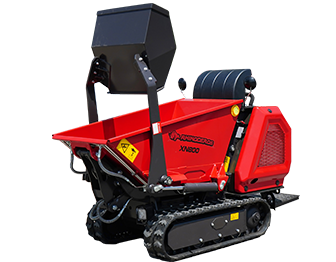
Quick answer: Ground pressure is how much weight pushes down on each square inch of ground the machine touches—not how heavy the machine is overall. A crawler dumper spreads its full weight across two long rubber tracks, so the pressure at any single point stays low even though the total weight doesn't change. That's the actual reason a loaded crawler dumper can cross a finished lawn without leaving ruts that a wheeled machine of similar weight would.
"It's too heavy for the lawn" is the wrong way to think about whether a machine will damage soft ground. Weight matters, but where that weight lands matters more — and that's exactly what ground pressure measures.
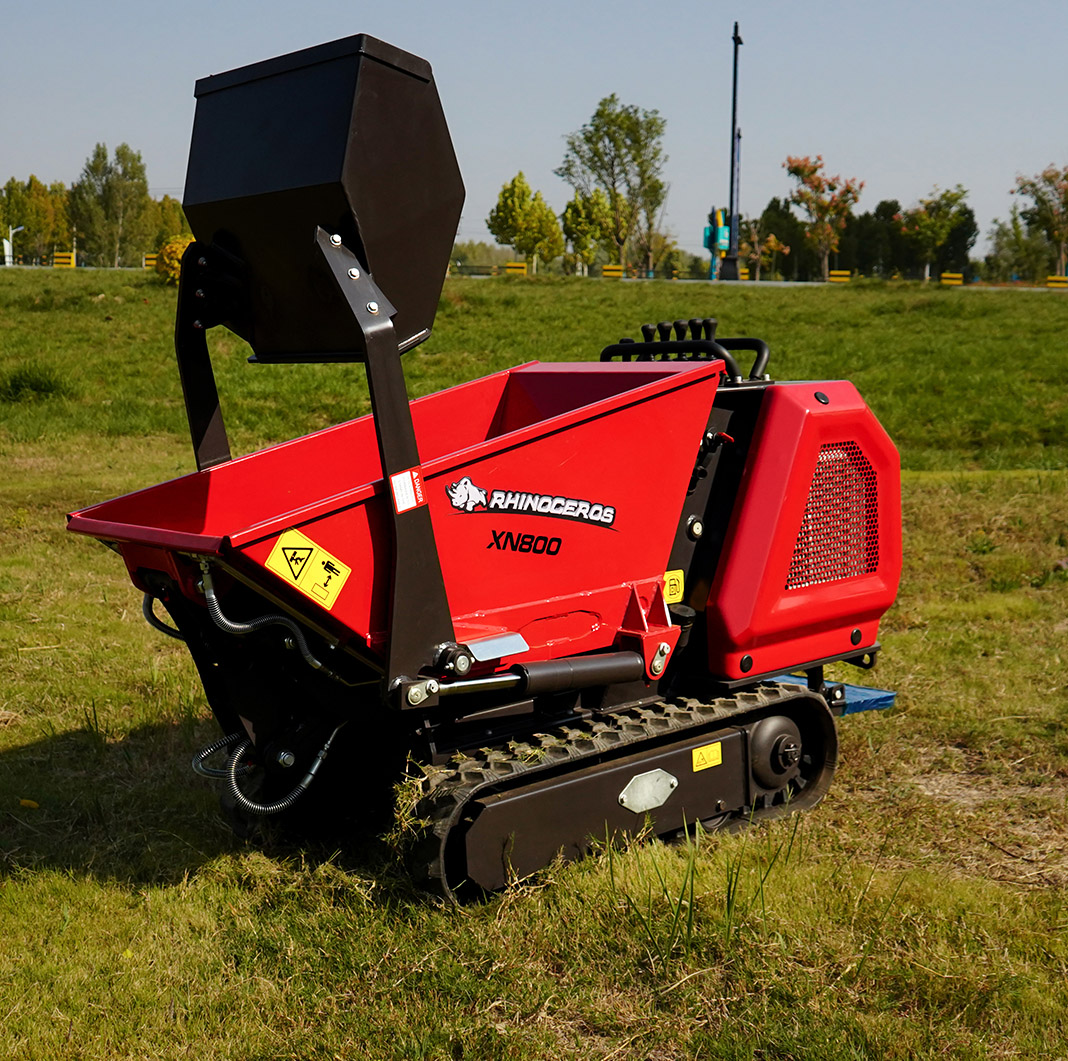
The Same Weight, Spread Two Different Ways
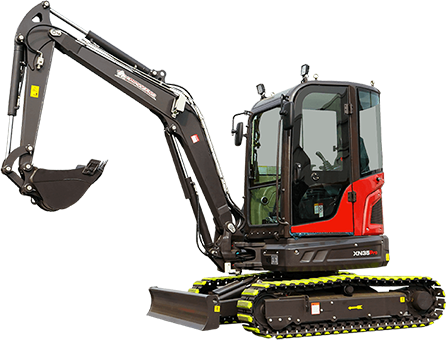
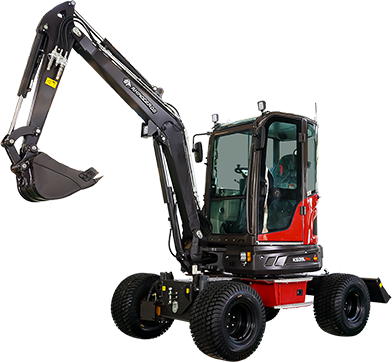
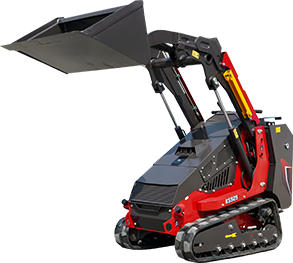
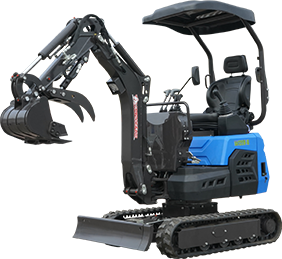
Picture the same total weight resting on four small tires versus resting on two long rubber tracks. The tires concentrate that weight onto four small contact patches where rubber meets ground. The tracks spread the identical weight across a footprint many times larger—the entire length of both tracks touching the ground at once, not just a few points. Same machine weight, dramatically different pressure per square inch.
That's the whole concept. Ground pressure isn't a separate spec you chase independently—it's what happens when you divide total weight by contact area. A heavier crawler machine can still have lower ground pressure than a lighter wheeled one, simply because of how that weight touches down.
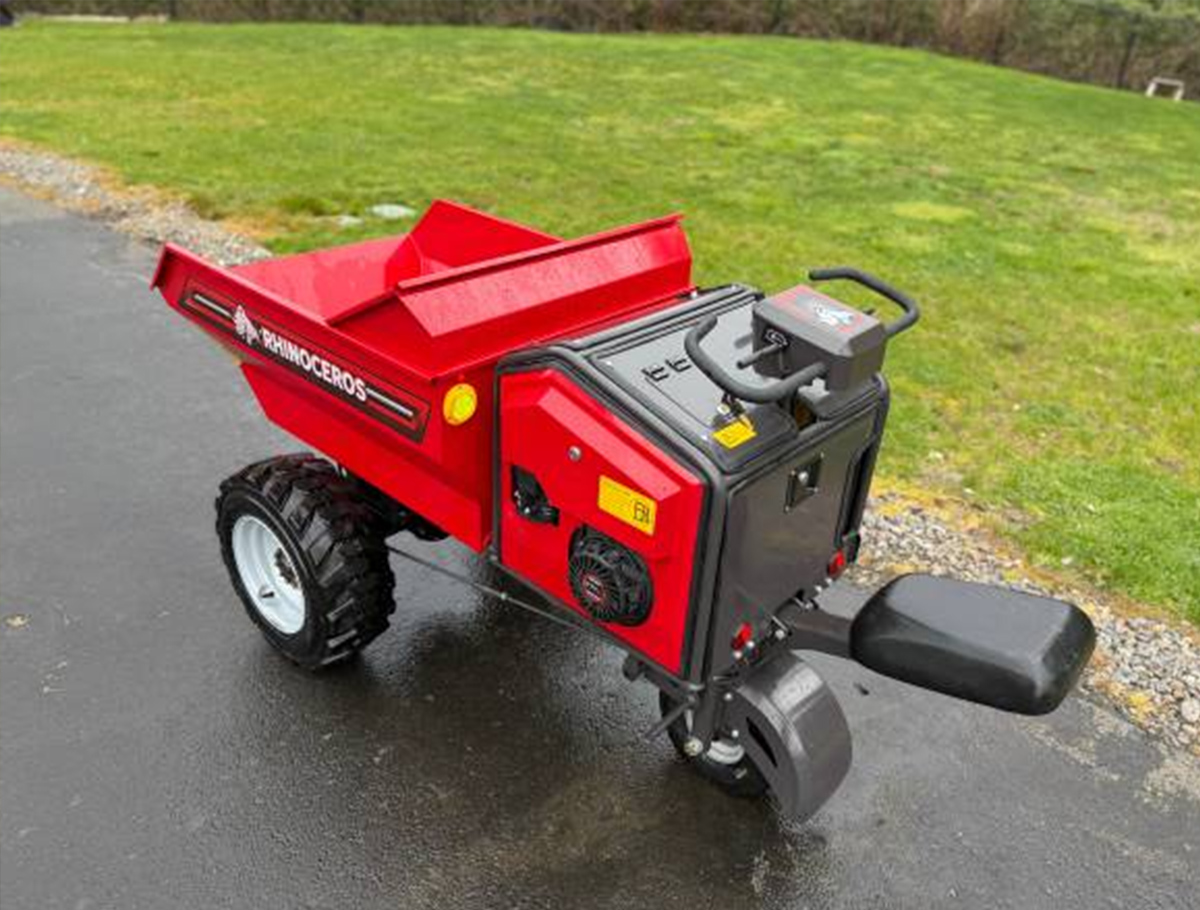
Why This Is the Real Answer, Not "How Heavy Is It"
A landscaping crew asking whether a dumper will damage a client's finished lawn is really asking about ground pressure, even if they don't use that term. A crawler dumper like the XN800, at 800 kg loaded weight capacity aside, distributes that load across its full track length — which is precisely why crawler undercarriages show up so often on residential and turf-sensitive jobs, not because the machines themselves are lighter.
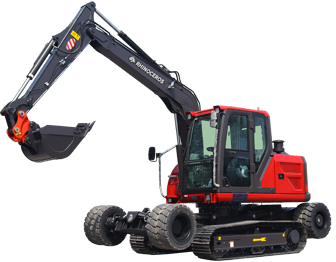
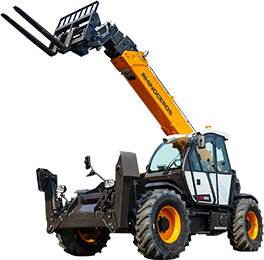
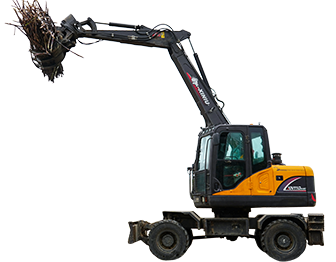
A wheeled machine of comparable weight concentrates that same total load onto a handful of tire contact points, which is why wheeled equipment tends to leave more visible tracking on soft or finished ground, independent of how carefully it's driven.
Where This Actually Changes a Buying Decision
Ground pressure matters most on ground that can't take concentrated point loads well: finished lawns, soft or saturated soil after rain, and any surface where the client will notice damage after the job is done. On a gravel yard or a paved surface, the difference matters far less, since the ground itself isn't the limiting factor.
Frequently Asked Questions
Does a crawler dumper always have lower ground pressure than a wheeled one?
Generally yes, for a given weight class, because track systems distribute weight across a much larger contact area than tires do. It's a function of contact area, not just undercarriage type alone.
Can a heavy crawler machine still damage soft ground?
Yes, if the ground is soft enough or the machine heavy enough. Lower ground pressure reduces the risk, but it doesn't eliminate it on genuinely saturated or unstable ground.
Is ground pressure the same thing as ground clearance?
No. Ground clearance is the gap between the machine's underside and the ground; ground pressure is how much force is applied at each contact point. They're unrelated specs that are sometimes confused.
Specifications reflect standard configurations and may vary by option package; confirm current specifications directly with Rhinoceros before purchase.