 中文
中文
 Español
 Francés
 Русский
 Português
 العربية
 Deutsch
 Italiano
 한국인
한국인
 Melayu
 ไทย
ไทย
 Việt
Việt
 bahasa Indonesia
 қазақ
қазақ
 Nederlands
 Ελληνικά
 Magyar
 čeština
 Suomalainen
 Filipino
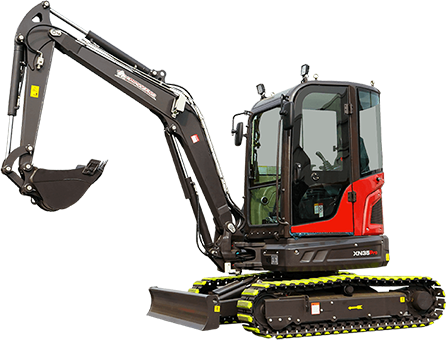
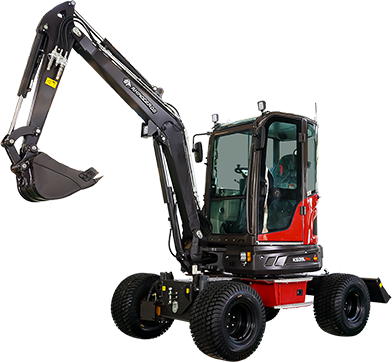
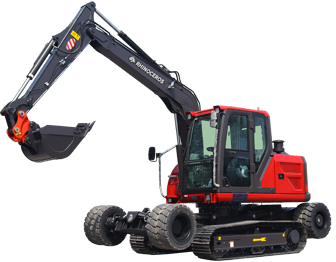
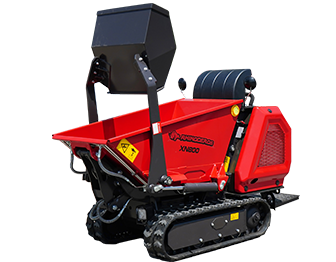
What Is a Wheel-Crawler Excavator (And When Do You Need One)?
Reviewed by Justin, Product Engineer· Specifications based on official factory data, July 2026· Sources cited below
Quick answer: A wheel-crawler excavator switches between wheeled and tracked movement on the same machine, aiming to solve the two complaints buyers have about each type on its own: crawlers are stable but slow to relocate, wheeled machines move fast but lose stability on soft ground. The X75PRO reaches 28 km/h on wheels-close to a dedicated wheel excavator-while still able to switch to tracks for soft or uneven terrain. It suits contractors who move between varied ground conditions in the same job, more than those working one consistent surface all day.
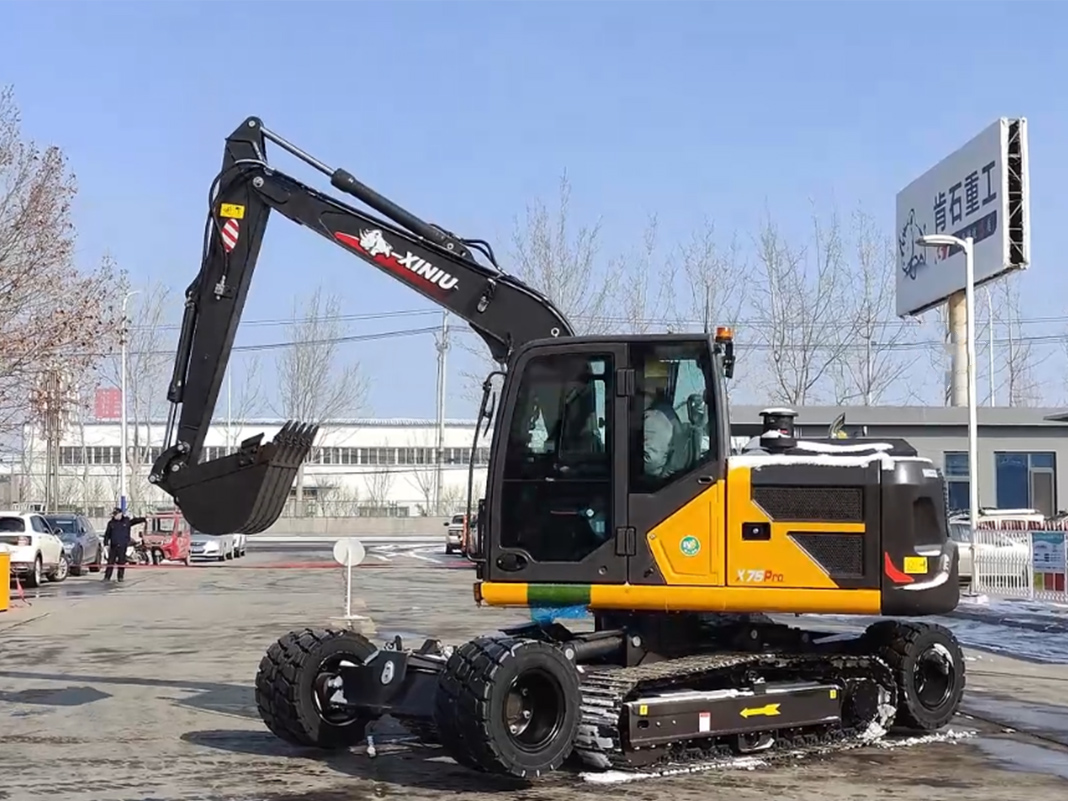
Ask a crawler excavator to cross town on a road and you're loading it onto a trailer. Ask a wheel excavator to hold steady on loose backfill and it needs to work more cautiously than a tracked machine would. A wheel-crawler excavator exists specifically to avoid choosing between those two problems.
It's a narrower category than standard wheel or crawler excavators, and it costs more to engineer well, so it's worth understanding exactly what it solves before assuming you need one.
What Actually Makes It a “Wheel-Crawler”
The mechanism swaps between a wheeled undercarriage and a tracked one on the same chassis, rather than bolting tracks onto a wheel base as an afterthought. On the X75PRO, a Rexroth hydraulic system manages that transition, which is also what keeps response times tight when switching between the two modes mid-job.
This isn't the same as a wheel loader with optional track kits - the engineering target is a machine that performs credibly in both modes, not one mode with a compromised backup option.
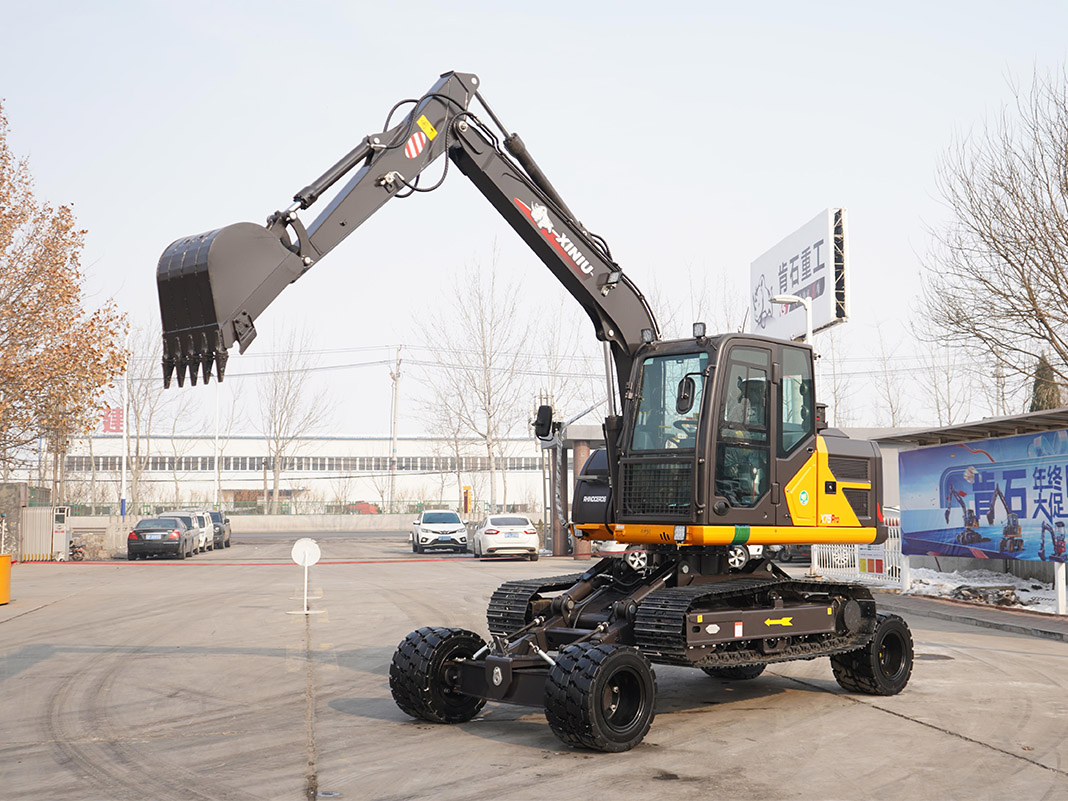
Reference Point: The X75PRO
| Spec | X75PRO |
|---|---|
| Machine Weight | 8505 kg (18750 lb) |
| Bucket Capacity | 0.27 cbm |
| Width | 2245 mm |
| Max. Travel Speed | 28 km/h |
| Engine | Yuchai |
| Power | 36.8 kW (49 hp) |
| Max. Digging Radius | 6538 mm |
| Max. Digging Depth | 3438 mm |
Source: Rhinoceros official factory specification page, rhinocerosequipment.com, July 2026.
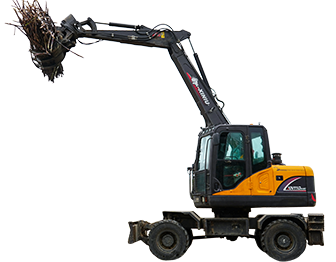
At 28 km/h, the X75PRO's wheel mode keeps pace with dedicated wheel excavators like the XN60L rather than trailing behind as a slower compromise. That's the number that justifies the category's existence - if the wheel mode were noticeably slower than a purpose-built wheel machine, the trade-off wouldn't be worth the added complexity.
When It Makes Sense (And When It Doesn't)
A wheel-crawler earns its cost on jobs that genuinely mix ground conditions in the same day - paved approach roads leading to soft excavation sites, or municipal work that moves between hard-surfaced streets and unimproved verges. The switching capability solves a real, recurring problem in that scenario.
It earns its cost less on a job that sits on one consistent surface for the whole project. A dedicated crawler excavator on a single soft-ground site, or a dedicated wheel excavator on a single paved site, does the same job without paying for a switching mechanism you'd rarely use.
Other Models in the Line
The X9 and X110PRO extend the same wheel-crawler concept to different size and engine configurations - the X9 pairs a Yanmar or Yuchai engine with an iron counterweight and Rexroth pump valve, while the X110PRO scales up with a choice of Yuchai or Yanmar power. Exact weight, reach, and speed figures differ by model and should be confirmed on the specific product page before comparing against the X75PRO numbers above.
Frequently Asked Questions
Is a wheel-crawler excavator as fast as a dedicated wheel excavator?
Close to it - the X75PRO reaches 28 km/h, which is in the same range as purpose-built wheel excavators in the Rhinoceros line, though slightly below the fastest dedicated models like the XN60L at 30 km/h.
Is a wheel-crawler excavator as stable as a dedicated crawler excavator?
In track mode, stability is comparable, since the undercarriage mechanics are built for the same ground-contact principle. The switching mechanism adds complexity, not a stability compromise in either mode.
Does the switching mechanism need special maintenance?
The hydraulic system that manages the transition is a maintenance item beyond what a single-mode machine requires, so factor that into service planning and confirm specifics with Rhinoceros for your model.
Sources
Rhinoceros (Shandong Kenstone Heavy Machinery Co., Ltd.) - X75PRO official specification page, retrieved July 2026
Rhinoceros (Shandong Kenstone Heavy Machinery Co., Ltd.) - Wheel Excavator product line, retrieved July 2026
Specifications reflect standard configurations and may vary by option package; confirm current specifications directly with Rhinoceros before purchase.