 中文
 Español
 Francés
 Русский
 Português
 العربية
 Deutsch
 Italiano
 한국인
 Melayu
 ไทย
 Việt
 bahasa Indonesia
 қазақ
 Nederlands
 Ελληνικά
 Magyar
 čeština
 Suomalainen
 Filipino
Reversing fan and two-minute fan delay on the KS750: what they do
Reversing fan and two-minute fan delay on the KS750: what they do
The KS750 has a cooling fan that can be reversed from the panel to clear debris off the radiator, and a fan that waits two minutes after the engine starts. Here is what each control does and the one rule for using them.
The real spec this article explains
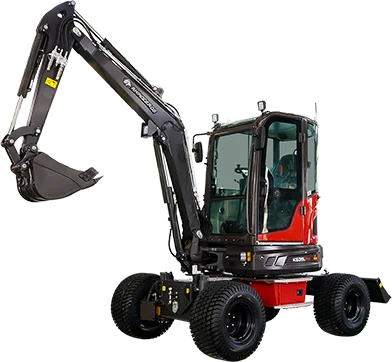
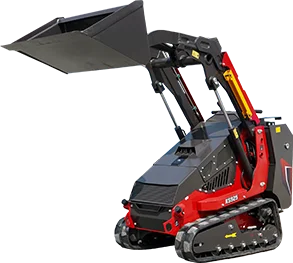
Our KS750 compact skid steer loader is a very compact machine, 870 mm wide, with a LONCIN petrol engine and a piston pump. Its radiator has a fan with two behaviours that are rarely explained on a spec sheet. A switch on the panel can run the fan in reverse to clear the radiator, and the fan is held off for the first two minutes after the engine starts. Both come from the factory's own description of the machine, and both are easy to misuse if nobody tells you the rule.
Why a radiator fan collects dirt
An off-road machine has no highway airflow, so the radiator gets almost no air except what its own fan draws through. That same airflow pulls in dust and debris, which can clog the radiator and weaken cooling (Equipment World). A small loader works close to the ground, in dust, chaff, sawdust and grass clippings, so its radiator is exposed to this all day.
What the reversing fan does
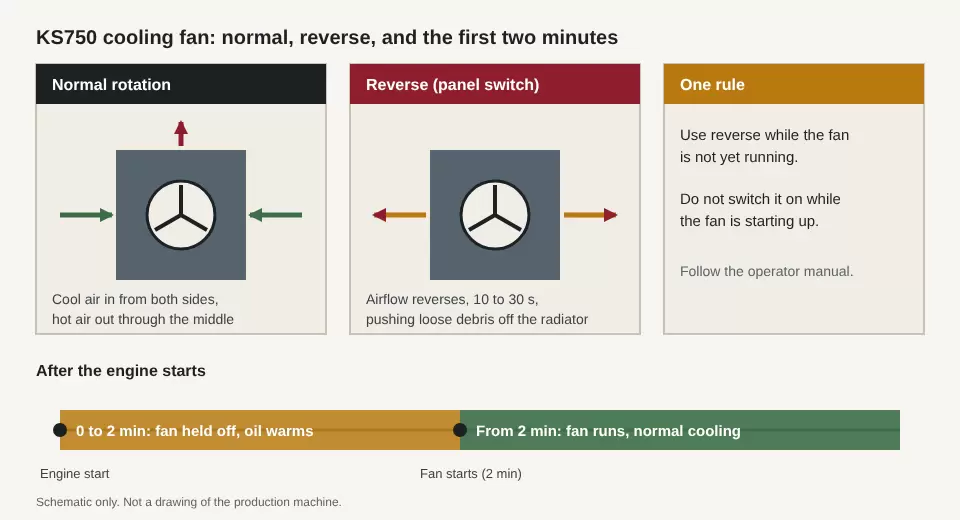
In normal rotation, the KS750's fan draws cool air in from both sides and blows hot air out through the middle. When the fan is reversed, the airflow runs the other way, which pushes loose debris off the radiator instead of pulling more onto it. The factory guidance is that 10 to 30 seconds is usually enough.
The idea is not unique to us. Caterpillar describes a reversing fan on its excavators as one that temporarily reverses airflow to remove debris, which helps protect against overheating and cuts down manual cleaning (Caterpillar). Bobcat offers an optional reversing fan on its skid-steer loaders to clear debris and keep air moving in dirty conditions (Bobcat).
What the two-minute delay does
After the engine starts, the KS750's fan does not run for the first two minutes. The purpose, per the factory, is to let the hydraulic oil warm up faster. Cold oil is thick, and a hydraulic system works best inside a moderate temperature window. General guidance puts the comfortable range at about 38 to 60 °C, with oil breaking down faster above that (Powerblanket), and pump efficiency falls once oil gets hotter than about 60 °C (Machinery Lubrication). Holding the fan off for two minutes helps the oil leave the cold end of that range sooner, without the fan pulling cool air across the system straight away.
This is a warm-up aid. It is not a promise that the machine cannot overheat, and it is not a substitute for letting a cold machine warm up before heavy work. We have not published a tested oil temperature for it.
The one rule for using reverse
Use reverse while the fan is not running, for example in the first two minutes after starting the engine.
Do not switch reverse on while the fan is starting up.
Run it for about 10 to 30 seconds, then return to normal.
Keep bystanders clear and wear eye protection, because the debris is blown out of the machine.
These steps follow the factory's guidance. Check the operator's manual for the exact panel switch and procedure on your machine.
Side by side
| Mode | What the fan does | When to use it |
|---|---|---|
| Normal rotation | Draws cool air in from both sides, blows hot air out through the middle | Ordinary working, from two minutes after start |
| Reverse (panel switch) | Reverses airflow to push loose debris off the radiator | When the radiator is dusty, while the fan is not running, for 10 to 30 s |
| First two minutes after start | Fan is held off so the hydraulic oil warms faster | Automatic; this is also the safe window to use reverse |
What this does not mean
These controls do not replace routine checks. Reversing does not clear mud, and the delay does not warm a machine for you. The timings and the procedure come from the factory description, not from a measurement we have published. How the fan behaves if the engine runs hot inside the first two minutes is something to confirm with us for your configuration.
Questions to ask before you compare loaders
Can the cooling fan be reversed, and is it a standard feature or an option?
Is reversing manual from a panel, or automatic at intervals?
Does the fan have a start delay, and what happens if the machine runs hot during it?
How is the radiator reached for hand cleaning?
Ask us for the confirmed cooling specification for your configuration through our inquiry form. You can review the full specification on the KS750 product page or compare it with the rest of the crawler loader range.
Frequently asked questions
What does the reversing fan on the KS750 do?
It reverses the airflow so loose debris is pushed off the radiator. The factory guidance is 10 to 30 seconds, used while the fan is not running.
When should I use reverse?
While the fan is not running, for example in the first two minutes after the engine starts. Do not switch it on while the fan is starting up.
Why does the fan wait two minutes after starting?
So the hydraulic oil warms up faster. It is a warm-up aid, not an overheating guarantee.
Does reversing replace cleaning the radiator?
No. It helps with loose dust and chaff, but a radiator packed with mud or residue still needs cleaning by hand.
Why does fluid temperature matter?
General guidance puts hydraulic oil in a comfortable range of about 38 to 60 °C, with faster oil breakdown and lower pump efficiency above that.
What happens if the engine runs hot during the first two minutes?
Confirm this with us for your configuration before purchase. We have not published how the fan behaves in that case.
Feature availability varies by model and configuration; confirm current specifications directly with Rhinoceros before purchase. Statements about other manufacturers come from their published descriptions, not from testing by Rhinoceros. Temperature ranges are general industry guidance, not KS750 measurements.