 中文
中文
 Español
 Francés
 Русский
 Português
 العربية
 Deutsch
 Italiano
 한국인
한국인
 Melayu
 ไทย
ไทย
 Việt
Việt
 bahasa Indonesia
 қазақ
қазақ
 Nederlands
 Ελληνικά
 Magyar
 čeština
 Suomalainen
 Filipino
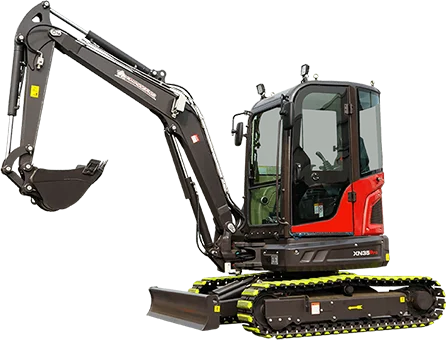
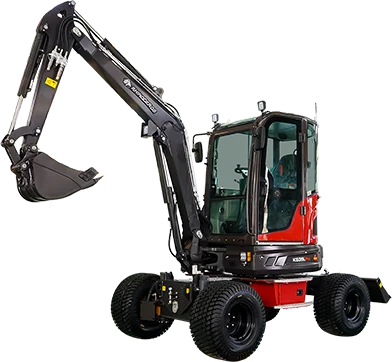
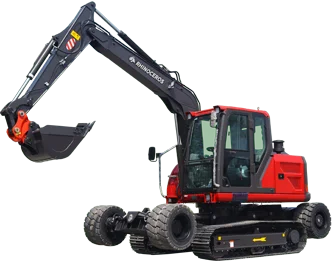
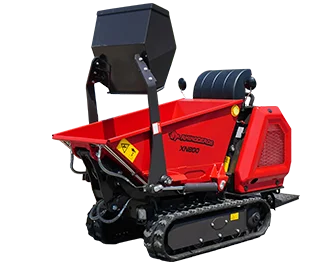
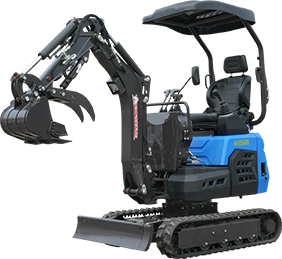
Mini Excavator Price Guide in Honduras
Mini Excavator Price Guide in Honduras
A Look at the Market Around Siguatepeque
Updated: July 7, 2026
Reviewed by Justin, Product Engineer at Rhinoceros Equipment (Shandong Kenstone Heavy Machinery Co., Ltd.). Price data compiled from distributor quotations and export inquiries collected between March–May 2026.
In many parts of Honduras, small excavators have quietly become part of daily construction life.
You see them beside narrow rural roads, cutting drainage ditches after heavy rain.
You see them behind unfinished homes where crews are laying foundations by hand.
On farms outside Siguatepeque, compact machines now handle work that once took days of manual labor.
For many local contractors, a mini excavator is no longer considered "special equipment."
It is simply the machine that gets the job done.
And in areas where space is limited and terrain can turn rough overnight, machines in the 2–5 ton range have become especially popular.
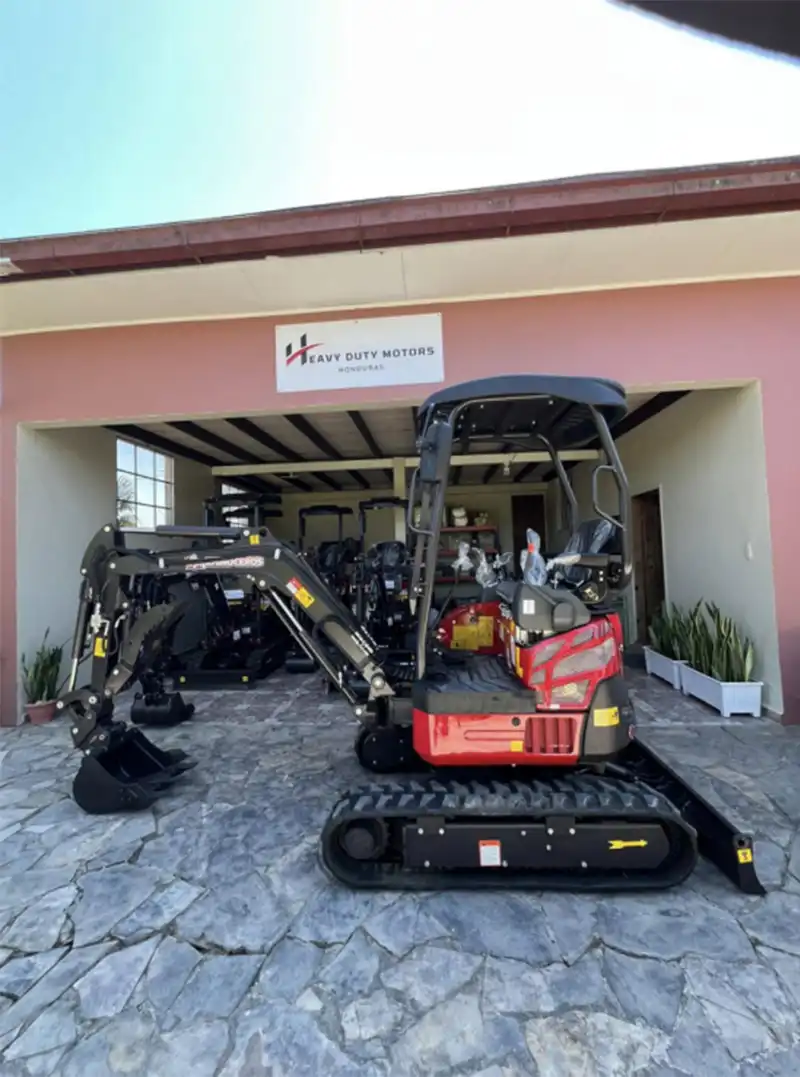
How Much Does a Mini Excavator Cost in Honduras?
Prices vary more than most first-time buyers expect.
In today's market, the average range looks roughly like this:
| Weight Class | Typical Price Range (USD) | Common Use Case |
|---|---|---|
| 1–2 ton | $12,000–$26,000 | Landscaping, residential, light-duty work |
| 2–5 ton | $30,000–$60,000 | Residential construction, small contractor projects |
| 5–10 ton | $55,000+ | Continuous heavy-duty construction work |
At first glance, two compact excavators may look nearly identical.
Then the quotations arrive — and suddenly one machine costs tens of thousands more than the other.
The difference usually comes down to what cannot be seen in a photo.
What Actually Changes the Price?
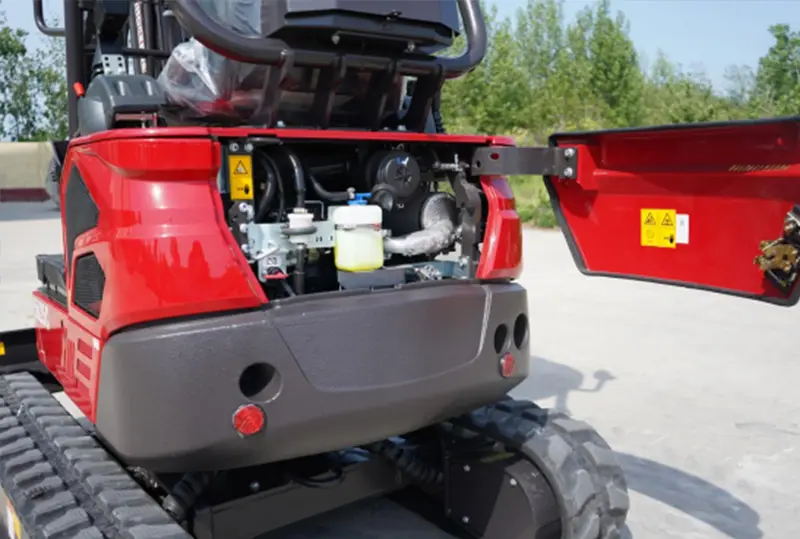
The Engine Changes More Than Power
In hot weather, on muddy ground, or during long workdays, engine quality starts to matter very quickly.
Machines equipped with engines from brands like Kubota or Yanmar often cost more upfront, but many contractors prefer them for one simple reason:
They keep working.
Lower fuel consumption, smoother operation, easier cold starts, and fewer breakdowns all make a difference when the machine is part of your daily income.
A cheaper machine can save money at the beginning.
A reliable engine can save money for years.
Hydraulics Decide How the Machine Feels
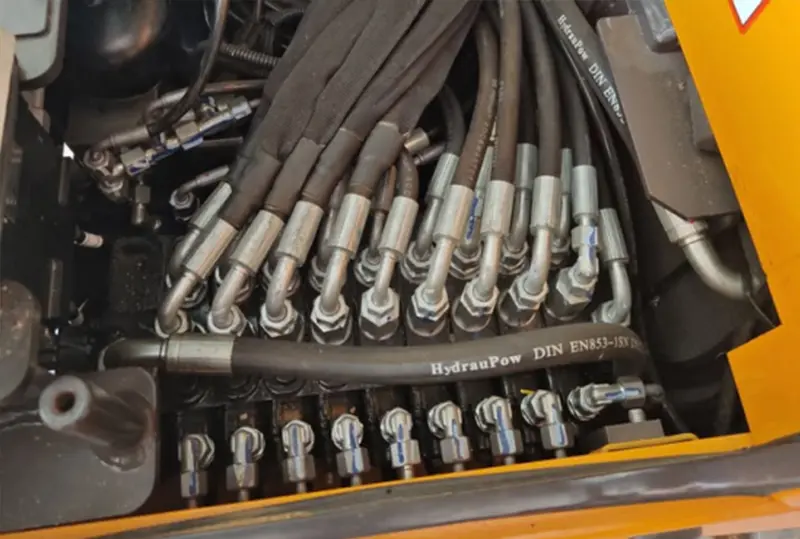
A spec sheet may show horsepower and digging depth.
But operators usually notice the hydraulic system first.
How quickly the boom responds.
How smooth the controls feel.
Whether attachments work efficiently.
Whether the machine still feels strong after hours of continuous digging.
That difference becomes obvious during jobs like:
trench digging
landscaping work
pipe installation
demolition around older buildings
On difficult ground, a weak hydraulic system can slow an entire crew down.
In the Used Market, Hours Matter More Than Age
Across Honduras, used excavators are common — especially among smaller contractors and startup crews.
When buyers inspect a machine, they often care more about operating hours than the manufacturing year.
A general rule looks like this:
Under 1,000 hours: lightly used
1,000–3,000 hours: normal working condition
Over 3,000 hours: value usually begins to drop
But experienced buyers rarely stop there.
They also check for:
hydraulic leaks
welding repairs
signs of overloading
incomplete maintenance history
Fresh paint can hide many things.
A careful inspection usually tells the real story.
Structural Strength Matters on Rough Jobsites
Not every machine works on smooth construction sites.
In rural areas around Siguatepeque, equipment often travels across rocky ground, muddy slopes, and uneven farmland.
That is where chassis strength starts to matter.
Reinforced frames and durable undercarriages generally handle:
long working hours
rough terrain
frequent transportation
heavy vibration
Some low-cost machines look attractive at first.
But after months of hard use, repair costs can begin to follow the machine everywhere.
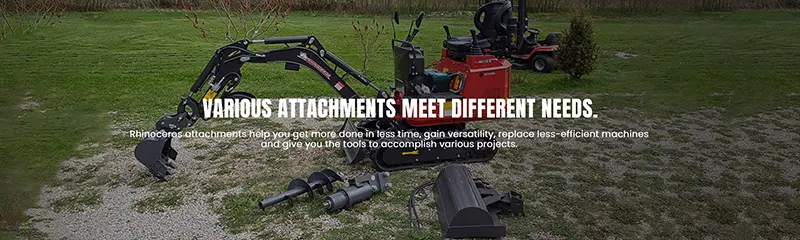
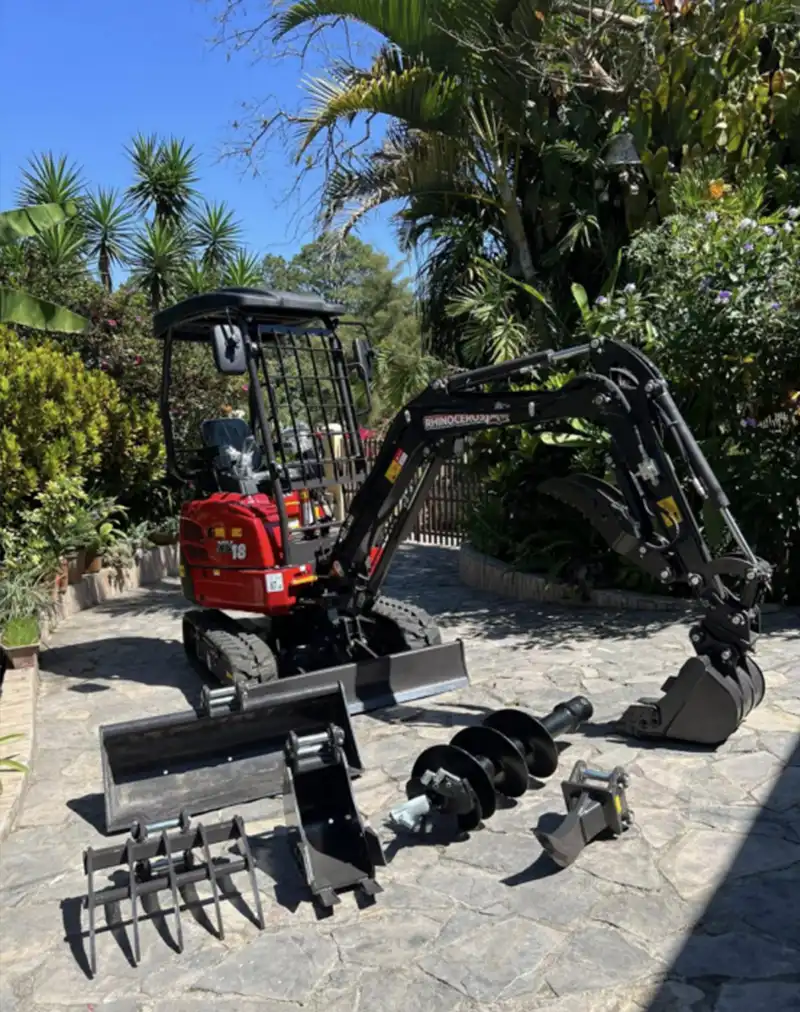
Attachments Change Everything
For many operators, attachments matter more than extra machine weight.
A compact excavator equipped with the right tools can handle far more than simple digging.
Popular attachments include:
hydraulic breakers
augers
grapples
quick couplers
ditch-cleaning buckets
One machine can move from trenching to demolition to farm maintenance in the same week.
That flexibility is one reason compact excavators continue growing in popularity across Latin America.
Common Jobs for Mini Excavators in Honduras
Around Siguatepeque and nearby towns, mini excavators are commonly used for:
drainage ditch cleaning
residential foundation work
yard renovation
pipe installation
light earthmoving
demolition support
Large machines still have their place.
But many local crews prefer smaller equipment because it moves faster, fits tighter spaces, and costs less to operate.
Not every project needs a giant excavator sitting in the middle of the
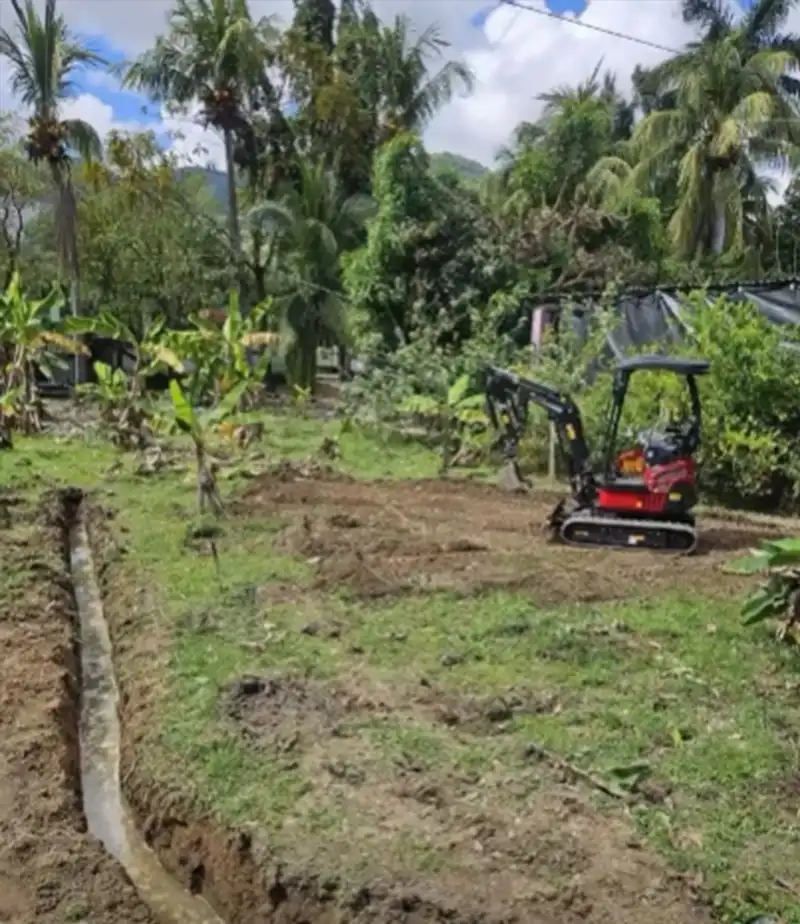
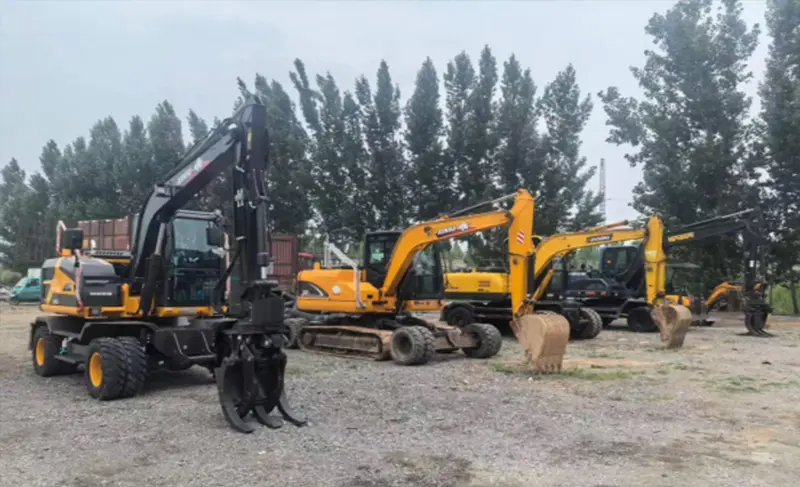
Rhinoceros excavators digging drainage channels in Honduras.
Rhinoceros Mini Excavators in the Local Market
In export markets, Rhinoceros mini excavators are generally known for offering practical value rather than luxury pricing.
Their machines are commonly used by:
small contractors
farm owners
maintenance crews
light construction teams
For many buyers, the question is straightforward:
Can the machine handle real work without destroying the budget?
That practical mindset is one reason the brand has gained more visibility in parts of Latin America over recent years.
Should You Buy New, Used, or Rent?
Buying New
For companies running equipment regularly, a new machine often brings fewer interruptions and more predictable operating costs.
Advantages usually include:
lower breakdown risk
cleaner hydraulic systems
longer service intervals
stronger resale value later on
For long-term projects, reliability matters more than excitement.
Buying Used
Used equipment remains popular for smaller budgets and short-term work.
But buyers should inspect carefully:
· hydraulic condition
· engine performance
· maintenance records
· structural repairs
A cheap machine sometimes becomes the most expensive machine after a few months.
Renting
Some crews choose to rent first before purchasing.
This is common for:
temporary projects
seasonal work
first-time operators
For smaller contractors, renting can reduce financial pressure while still getting the job done.
The Costs People Forget About
The purchase price is only part of the story.
Ownership also includes:
transportation
filters and hydraulic oil
maintenance
replacement parts
insurance
downtime
attachment upgrades
In real working conditions, total operating costs can easily climb 15%–30% beyond the original machine price.
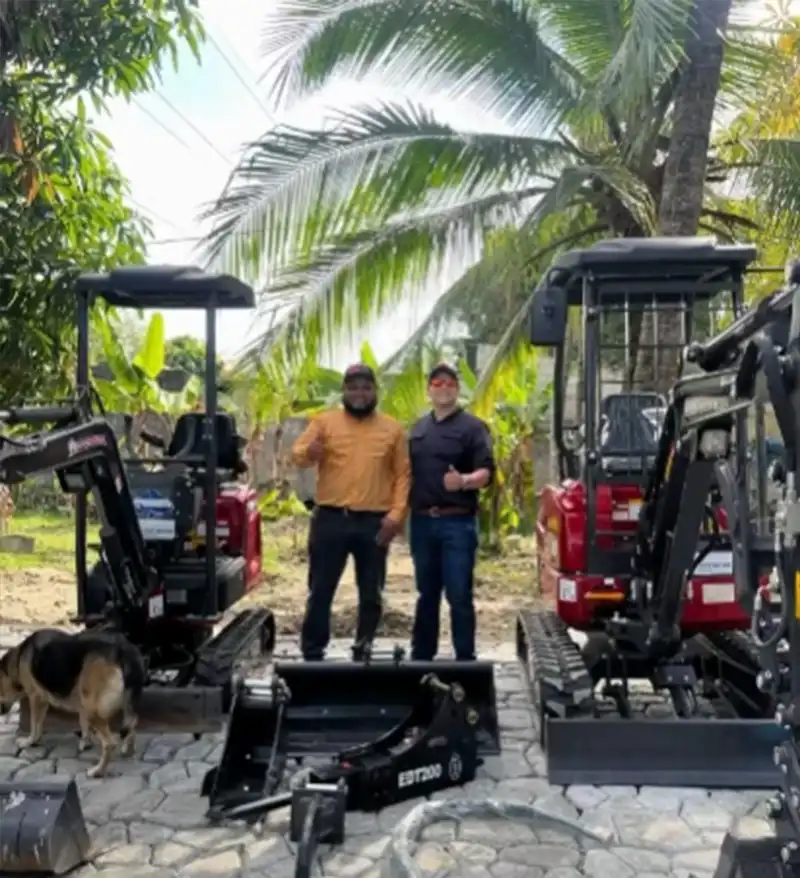
XN10-8 Delivery Site
How to Choose the Right Machine Size?
As a general reference:
1–2 tons: landscaping, residential use, light-duty work
2–3.5 tons: main choice for residential construction
4–6 tons: small contractor projects
6+ tons: continuous heavy-duty operation
In many cases, choosing the wrong machine size creates bigger problems than simply paying a little more upfront.
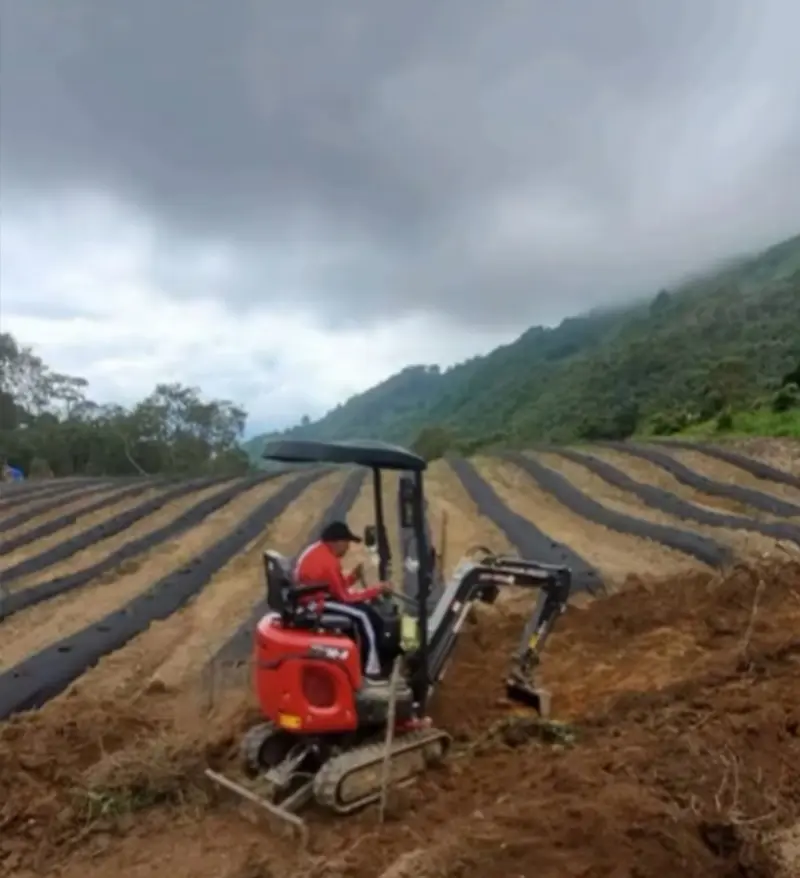
Rhinoceros XN10-8 Excavator Working in Honduras
The XN10-8 is often used for soil loosening, trenching, and light earthmoving work where compact access is critical.
Frequently Asked Questions (FAQ)
Q1: How long can a mini excavator last?
With proper maintenance, most mini excavators can operate for approximately 8,000–12,000 hours.
Q2: Is a special license required in Honduras?
In most cases, operating a mini excavator itself does not require a CDL. However, transporting the machine by truck may need to comply with local transportation regulations.
Q3: Is it safe to buy used equipment?
Yes, but buyers should carefully inspect:
Operating hours
Hydraulic condition
Engine performance
Maintenance history
Never judge a machine by appearance alone.
Q4: What size is best for beginners?
For most first-time buyers, the 2–3 ton class offers the best balance between ease of operation and practical capability.
In Honduras, the best mini excavator is rarely the cheapest one on the market.
And it is not always the biggest brand, either.
For most contractors, what matters is simpler than that:
Will the machine start every morning?
Can it handle the ground beneath it?
Will it still be working when the rainy season comes back?
Because on real jobsites, reliability always looks better than advertising.
And the right machine is usually the one that keeps moving long after the conversation about price is over.