 中文
 Español
 Francés
 Русский
 Português
 العربية
 Deutsch
 Italiano
 한국인
 Melayu
 ไทย
 Việt
 bahasa Indonesia
 қазақ
 Nederlands
 Ελληνικά
 Magyar
 čeština
 Suomalainen
 Filipino
Mini Dumper for Orchard & Vineyard Rows: Does Width Matter?
Reviewed by Justin, Product Engineer·Based on official factory specifications and industry reporting, August 2026
TL;DR: Row spacing, not payload, is usually the limiting factor in a vineyard or orchard. A machine that's a few centimeters too wide simply can't work the row at all.
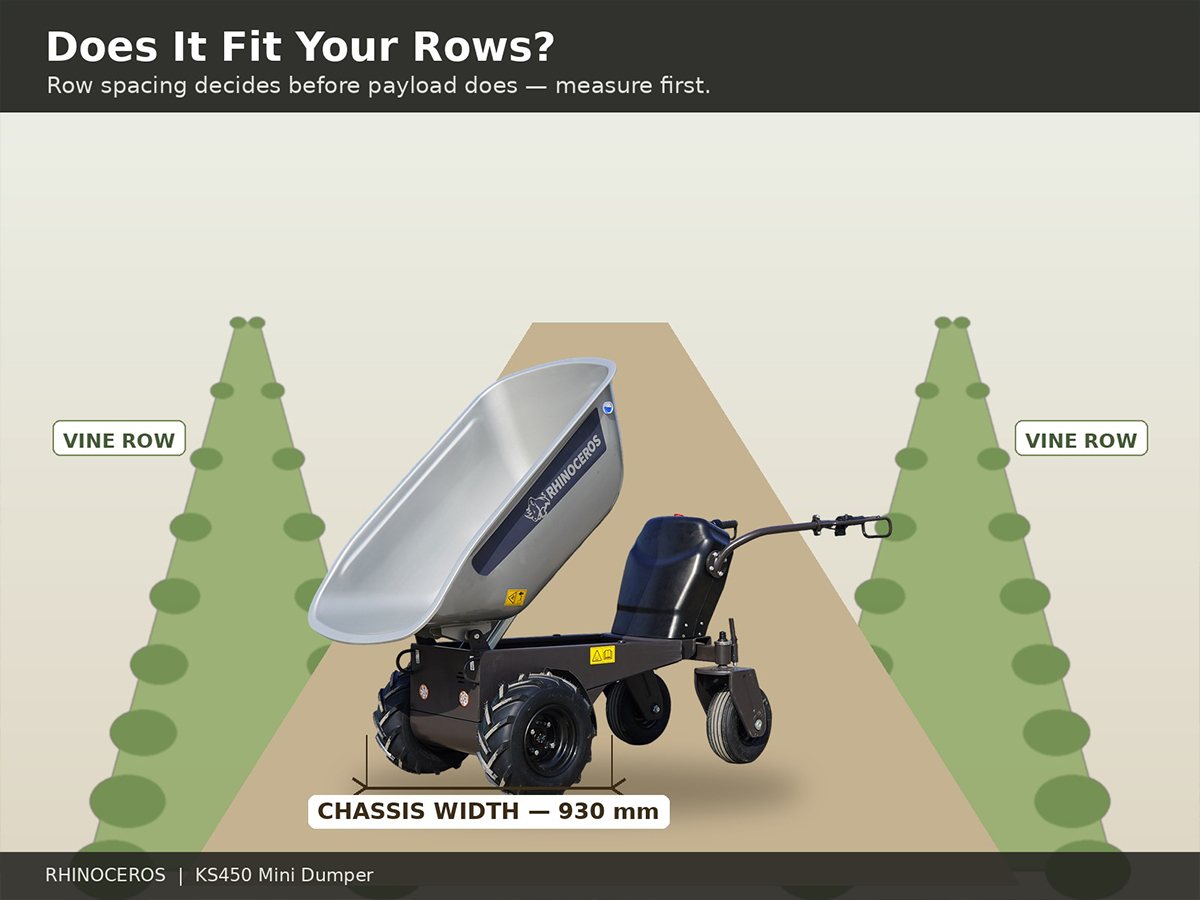
A mini dumper that carries plenty of weight is still the wrong purchase if it doesn't fit between the rows. In orchard and vineyard work specifically, width isn't a comfort preference. It's a hard limit that decides whether the machine can do the job at all.
Why row crops are a different problem than general hauling
Most mini dumper buying decisions weigh payload, terrain, and power source against each other. Orchard and vineyard work adds a constraint that overrides all three: the physical gap between rows of trees or vines.
That same logic applies directly to mini dumpers moving harvest bins, pruning debris, or soil amendments through the same rows. A machine that's technically capable of the job's payload and terrain still fails the job entirely if it can't physically fit through the space.
The width numbers that actually matter
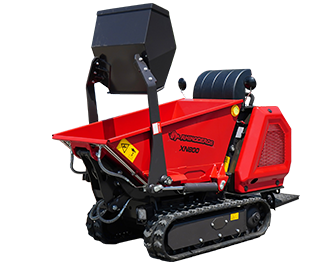
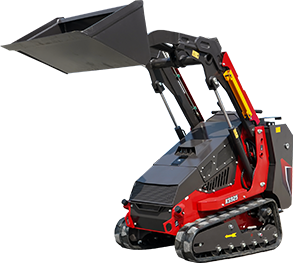
| Model | Width | Machine weight |
|---|---|---|
| XN500E | 889 mm | 290 kg |
| KS2700TE | 900 mm | 1520 kg |
| KS3000 | 1090 mm | 1580 kg |
| KS450 | 930 mm | 180 kg; |
Source: Rhinoceros official factory specifications, rhinocerosequipment.com, August 2026. KS450 machine weight not yet published at time of writing.
A 200mm gap between the narrowest and widest model in this table sounds small until it's the difference between a machine that clears a row and one that scrapes both sides of it, or can't enter at all. Standard vineyard row spacing commonly runs in the 1.8 to 3 meter range depending on the varietal and mechanization plan, but the usable working width within that row, after accounting for vine canopy, trellis posts, and irrigation lines, is meaningfully narrower than the row spacing number alone suggests.
Five questions to answer before matching a model to your rows
What's the actual clear width between rows at the narrowest point, not the nominal row spacing?
Does canopy growth change that clearance seasonally, wider early in the season, narrower by harvest?
Are there trellis posts, irrigation lines, or support structures that reduce usable width further?
What's the heaviest load, harvest bins, pruning debris, soil amendments, the machine needs to carry through those rows?
Does the terrain include slopes where a narrower, lighter machine's stability becomes a separate concern?
A vineyard with tight, mature-canopy rows and modest load requirements points toward the narrowest, lightest option. An orchard with wider spacing and heavier bin-hauling needs can accommodate a larger, higher-payload model without the width constraint ruling it out first.
Why the lightest model isn't always the safest choice on slopes
Narrower and lighter isn't automatically the better fit once slope enters the picture. Vineyard and orchard equipment guidance consistently emphasizes low center of gravity for stable operation on the graded slopes common in hillside plantings, not just narrow width alone. A lighter machine carrying a load close to its rated payload can feel less planted on a cross-slope than a heavier, wider model with more margin built in, which is part of why matching machine choice to terrain, not just row width, matters for the full picture.
Electric power: a genuine fit for orchard and vineyard work specifically
Beyond width, power source has a specific relevance in this application that it doesn't always have elsewhere. Orchard and vineyard work often happens close to ripening fruit, delicate canopy, and workers moving through the same rows repeatedly during harvest. An electric model's lack of exhaust and lower noise output is a genuine practical advantage in that environment, distinct from the general diesel-versus-electric tradeoffs that apply to mini dumper buying decisions more broadly.
Seasonal timing: when width constraints tighten
Row clearance isn't static across a growing season. Early-season pruning work happens when canopy is minimal and rows are at their widest usable clearance. By harvest, full canopy growth can meaningfully narrow the same row's usable width, which means a machine that fits comfortably in spring can feel noticeably tighter during peak harvest. Measuring clearance at the tightest point in the growing cycle, not the easiest, avoids discovering a fit problem mid-harvest when there's no time to source a different machine.
What happens when the wrong width gets purchased
A machine that's too wide for its rows doesn't just work less efficiently, it often can't be used at all without damaging vines, trellis structures, or the crop itself. Growers who've made this mistake generally end up either working narrower sections by hand, defeating much of the labor-saving purpose of the machine, or reselling a barely-used machine at a loss to buy the correctly sized replacement. Measuring actual row clearance before ordering, rather than relying on general row-spacing assumptions, is the single step most likely to prevent this outcome.
Confirm current specifications before ordering
Width, weight, and configuration options can vary by model year and specific build. Confirm current specifications for the specific Rhinoceros model under consideration directly with Rhinoceros, and provide actual measured row clearance rather than nominal row spacing when discussing fit for a specific vineyard or orchard layout.
How this compares with general farm equipment sizing
Standard farm tractors and general-purpose equipment are built for open fields, not row crops, and industry guidance is consistent that using field-sized equipment in orchard or vineyard rows creates real problems: crop damage from oversized machines, slowed work from repeated repositioning, and daily operating friction that compounds across a full season, according to agricultural equipment sizing guidance for specialty crop operations. That same guidance identifies fit and maneuverability, not raw power, as the deciding factor for specialty crop equipment, which lines up directly with why width matters more than payload in this specific application.
A grower who's already sized a tractor or general farm equipment around row constraints will recognize this same logic applying to a mini dumper choice: the machine that technically has more capability isn't the better purchase if it can't physically work the space.
Beyond width: ground clearance in row crop work
Width dominates the row-fit conversation, but ground clearance matters alongside it, particularly in vineyards with drip irrigation lines running along the row floor or orchards with exposed root systems near the surface. A machine with too little clearance can snag irrigation infrastructure or scrape over root zones repeatedly across a season, causing damage that accumulates gradually rather than showing up as an immediate, obvious problem. Checking clearance against the specific row floor conditions, not just the open aisle width, rounds out the fit assessment beyond width alone.
Turning radius: the constraint that shows up at the row's end
A machine that fits perfectly within a row can still create a real operational problem at the end of that row, where it needs to turn around to enter the next one. Headland space, the turning area at row ends, is often more limited in mature orchards and vineyards than in open field farming, and a machine with a wide turning radius can end up needing multiple maneuvers to reverse direction, adding time to every single row change across a full day of work. This is worth checking alongside width and clearance, particularly for properties with minimal headland space by design.
Matching payload to what actually moves through the rows
Once width has narrowed the field of suitable models, payload becomes the next filter, and it's worth being specific about what's actually being hauled rather than assuming general capacity. Harvest bins full of fruit can weigh considerably more than empty volume suggests, pruning debris is often lighter by weight but bulkier by volume, and soil amendments or compost fall somewhere between the two depending on moisture content. Sizing payload to the heaviest realistic load in that mix, not the average one, avoids a machine that's technically too small for the toughest week of the season even though it handles routine work fine.
Multi-row versus single-row work patterns
Some operations move a machine through a single row at a time, dumping at a fixed collection point before returning. Others route across multiple rows in a single pass, which changes both the total distance traveled per load and how much turning at row ends actually happens across a working day. A property with a single-row pattern and a nearby collection point may tolerate a wider turning radius better than one requiring frequent multi-row routing, which is worth factoring in alongside the width and clearance checks above when the decision comes down to two closely matched models.
What growers moving from manual labor to a first machine should expect
For an operation currently moving harvest bins or pruning debris by hand cart or wheelbarrow through the rows, the jump to a powered mini dumper changes more than just speed. It changes what's physically possible in a single pass, since a rated payload well beyond what one person can push safely means fewer total trips for the same volume of material moved. That said, the width constraint covered throughout this article applies just as strictly to a first-time buyer as to an operation upgrading an existing fleet, so the same row-measurement discipline matters regardless of what's being replaced.
A simple way to decide
Measure the tightest usable row clearance at peak canopy, not the nominal row spacing on a planting plan. Match that number against the width column above with a reasonable safety margin, then confirm the heaviest load the machine will actually carry through those rows fits within the model's rated payload. Width rules out unsuitable options first; payload and terrain then decide between whatever remains.
Frequently asked questions
Is 900mm width narrow enough for most vineyard rows?
Often yes for standard row spacing, but actual clearance depends heavily on canopy growth stage and trellis structure, so measuring the specific rows in question is more reliable than assuming based on width alone.
Does canopy growth really change usable row width that much?
Yes, meaningfully in many vineyard and orchard setups, which is why measuring clearance at peak canopy rather than early season avoids a mid-harvest fit surprise.
Is an electric mini dumper practical for a working farm without reliable power access?
It depends on charging infrastructure and daily runtime needs; confirm charging logistics against your specific operation's daily use pattern before committing to an electric model for remote farm use.
Does a narrower machine always mean lower payload?
Generally yes within a given product line, since a narrower chassis typically supports a smaller rated load, which is why width and payload need to be weighed together rather than optimizing for one alone.
Can the same mini dumper work both orchard rows and general farm hauling?
Often yes, since row-width suitability doesn't rule out broader farm use, though a machine sized tightly for narrow rows may have less payload margin for heavier general hauling tasks.
Should I measure row width myself or rely on planting plan specifications?
Measure directly where possible. Planting plans reflect nominal spacing, not actual clearance after accounting for canopy, trellis posts, and irrigation infrastructure.
Specifications reflect standard configurations and may vary by option package; confirm current specifications directly with Rhinoceros before purchase.