 中文
中文
 Español
 Francés
 Русский
 Português
 العربية
 Deutsch
 Italiano
 한국인
한국인
 Melayu
 ไทย
ไทย
 Việt
Việt
 bahasa Indonesia
 қазақ
қазақ
 Nederlands
 Ελληνικά
 Magyar
 čeština
 Suomalainen
 Filipino
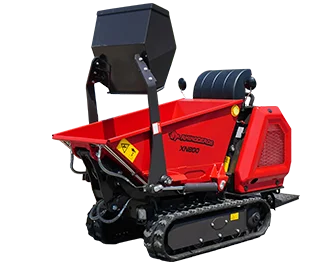
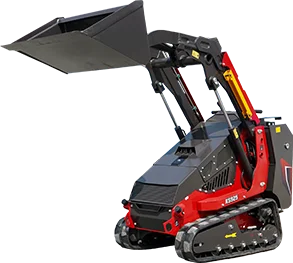
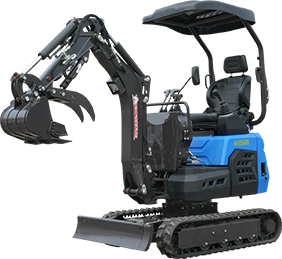
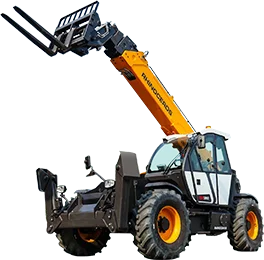
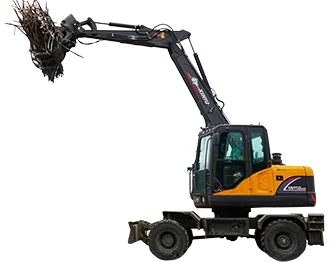
Mini Dumper MOQ, Lead Time & Payment Terms Explained
Reviewed by Justin, Product Engineer·Based on official factory specifications and industry reporting, September 2026
TL;DR: A mini dumper's MOQ is usually 1 unit, not the thousands you'd see for small goods. Lead time and payment structure work differently too, once the product is capital equipment.
Most guidance on sourcing from Chinese manufacturers is written for small consumer goods, ordered by the thousand, priced per piece, with MOQ driven by fabric rolls or injection mold setup costs. None of that logic applies cleanly to a mini dumper. Buying one machine is a different transaction than buying a container of the same plastic part, and the procurement questions that matter change accordingly.
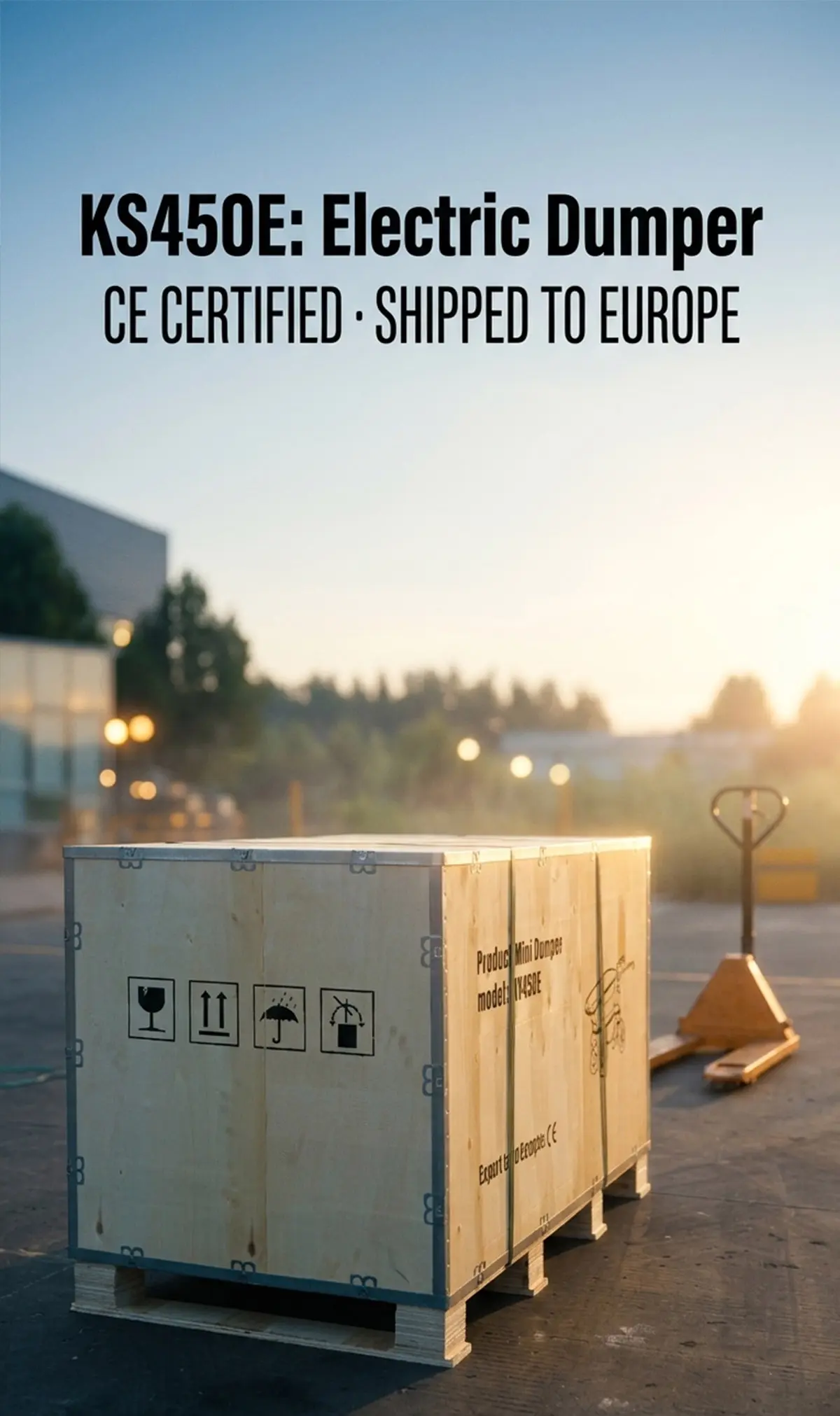
Why MOQ usually isn't the barrier people expect
For small consumer goods, MOQ is typically driven by raw material minimums and production line changeover costs, which is why a factory might require thousands of units before a color change or tooling setup becomes worthwhile. A mini dumper doesn't work that way. Each unit is assembled from a defined set of components rather than run through a high-volume molding or weaving process, which is why most manufacturers, including Rhinoceros, can quote a single unit without the same per-piece cost penalty that applies to small-batch consumer goods.
That doesn't mean price is identical at every quantity. Freight cost per unit drops meaningfully as order size grows, since ocean freight is priced by container, not by machine, so a single-unit order carries a larger proportional shipping cost than a multi-unit order splitting the same container.
What "lead time" actually includes
A quoted lead time on a piece of equipment like this typically bundles several distinct stages, and asking a supplier to break them out avoids surprises later. Production time covers actual assembly and testing. Pre-shipment inspection and documentation, commercial invoice, packing list, any required compliance paperwork, add time on top of production. Ocean freight transit time is separate again, and varies significantly by destination port. A lead time quoted as a single number without breaking out these stages makes it hard to know which part of the timeline has room to compress if a project deadline is tight.
Five questions worth asking before requesting a formal quote
Does the quoted lead time start from deposit receipt, or from order confirmation? These can differ by days depending on payment processing time.
Is the quoted price ex-works, FOB, or CIF? Each shifts different transport and insurance costs and responsibilities onto the buyer versus the supplier, following standard Incoterms definitions, according to official U.S. government Incoterms guidance for exporters and importers.
What happens if a configuration change is requested after production starts? Custom configurations, attachments, or non-standard specs can affect both price and timeline once assembly is underway.
Is pre-shipment inspection included, or does it need to be arranged and paid for separately?
What documentation is provided standard versus available on request? Certificates of origin, compliance documentation, and commercial invoices don't always come bundled the same way across suppliers.
How payment structure typically works for equipment at this scale
A deposit paid at order confirmation, with the balance due before shipment, is the standard structure for equipment purchases at this scale, most commonly handled by bank transfer (T/T). A 30 percent advance with the remaining 70 percent due before shipment is the most common split cited across industrial equipment trade generally, according to TT payment terms guidance for industrial equipment trade. Larger or first-time orders sometimes use a letter of credit instead, which adds a layer of bank-verified security for both sides but also adds processing time and documentation requirements that a straightforward T/T doesn't carry, according to comparative guidance on TT, LC, DA, and DP payment structures.
The deposit percentage and the exact milestone that triggers the balance payment, before shipment versus before production, are both genuinely negotiable points, not fixed industry rules, and it's worth confirming both explicitly rather than assuming a standard split applies universally.
Verifying supply stability before committing
For a buyer planning recurring orders rather than a single purchase, supplier capacity and consistency matter more than the terms of any individual transaction. Export volume history, whether the manufacturer has an established track record shipping to your specific region, and factory certifications are all reasonable things to ask about directly, and a supplier with nothing to hide should be able to answer specifically rather than vaguely.
Where this connects to compliance documentation
Payment and lead time are the procurement side of the transaction. Certification and road-compliance documentation, covered in more detail in a companion guide on buying a mini dumper from China, are the compliance side, and both need to be settled before an order ships, not discovered as a problem afterward. A buyer working through MOQ and payment terms should be running the certification conversation in parallel, not treating it as a separate, later step.
A note on what this article doesn't cover
Specific current pricing, exact MOQ figures for individual Rhinoceros models, and current production lead times aren't included here, since those change with order specifics, configuration, and market conditions, and publishing a fixed number risks it going stale or misleading a specific buyer's actual quote. Request a formal quote with your specific configuration and destination for current figures.
Frequently asked questions
Can I order a single mini dumper directly from a Chinese manufacturer?
Generally yes. Capital equipment like this typically doesn't carry the high-volume MOQ requirements common to small consumer goods.
Does ordering multiple units significantly reduce the per-unit price?
Freight cost per unit typically drops with multi-unit orders sharing a container, though the machine price itself may or may not scale with volume depending on the supplier's pricing structure.
Is a letter of credit necessary for a first-time equipment purchase?
Not always required, but it's a reasonable option to request for added security on a first order, particularly for a larger purchase, in exchange for additional processing time.
What's a normal deposit percentage for equipment at this scale?
This varies by supplier and is generally negotiable; confirm the specific percentage and payment milestone directly rather than assuming a fixed industry standard.
Does lead time include ocean freight, or just production?
This varies by how the quote is presented; always ask a supplier to break out production time separately from shipping transit time.
Should I request a factory visit or third-party inspection before shipment?
For a first-time or larger order, this is a reasonable request and a supplier confident in their production shouldn't discourage it.
This content provides general procurement guidance and does not represent a specific quote, MOQ, or lead time for any Rhinoceros model. Request a formal quote directly with Rhinoceros for current terms specific to your order.