 中文
 Español
 Francés
 Русский
 Português
 العربية
 Deutsch
 Italiano
 한국인
 Melayu
 ไทย
 Việt
 bahasa Indonesia
 қазақ
 Nederlands
 Ελληνικά
 Magyar
 čeština
 Suomalainen
 Filipino
Mini dumper maintenance schedule: what to check and when
Reviewed by Justin, Product Engineer·Based on official factory specifications, August 2026
Most mini dumper problems trace back to the same handful of overlooked checks, not sudden mechanical failure. Whether a specific model needs one is the real question worth answering here, not just how often to service it.
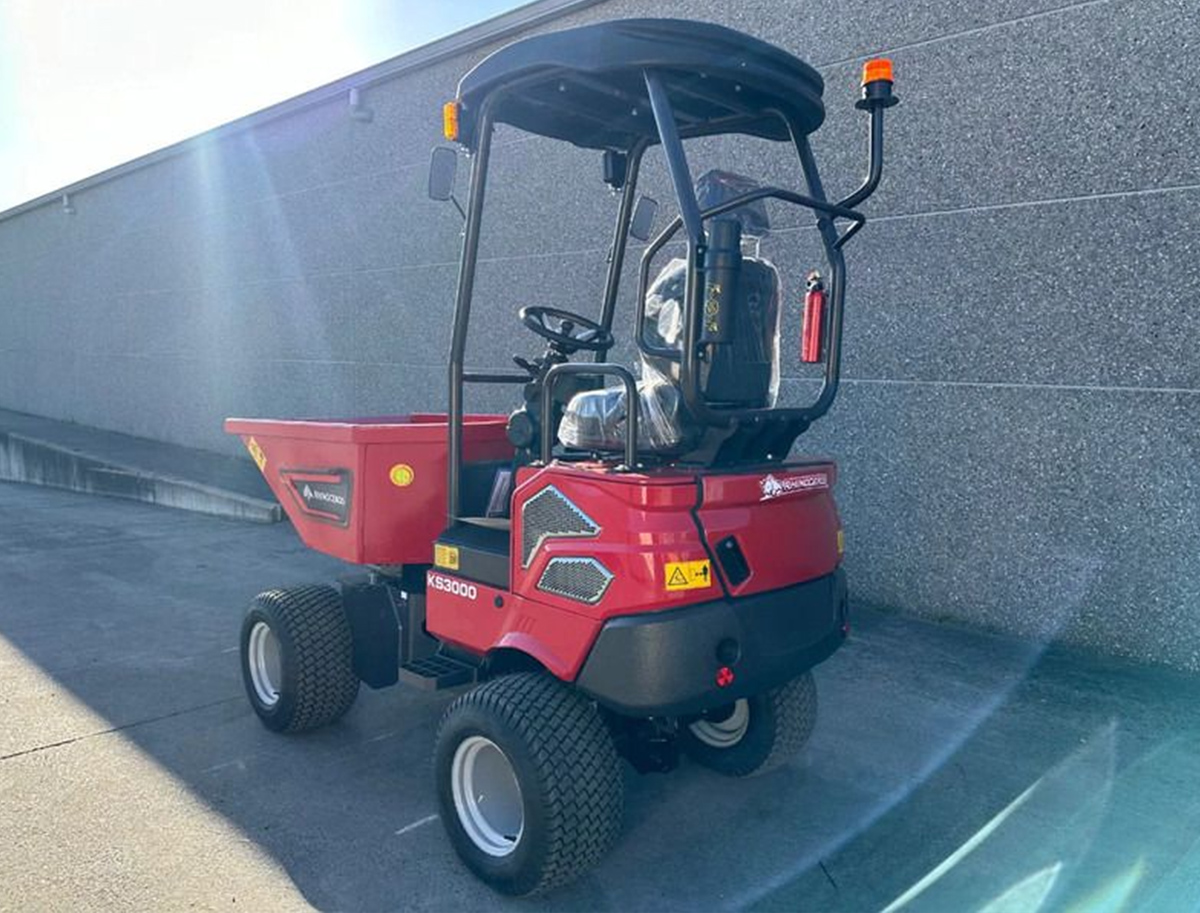
What a diesel model like the KS3000 actually needs
The KS3000 runs a Kubota 14.2 kW diesel engine, so its maintenance routine follows standard small-diesel logic: oil and filter changes on a fixed schedule, air filter checks more often in dusty conditions, and fuel system inspection to catch water contamination before it reaches the injectors. None of this is unique to dumpers. It's the same routine any small diesel engine needs, which is worth knowing if a crew already maintains other Kubota-powered equipment.
What electric models like the XN500E and KS2700TE need instead
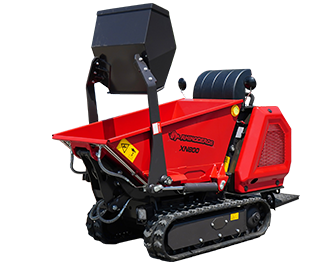
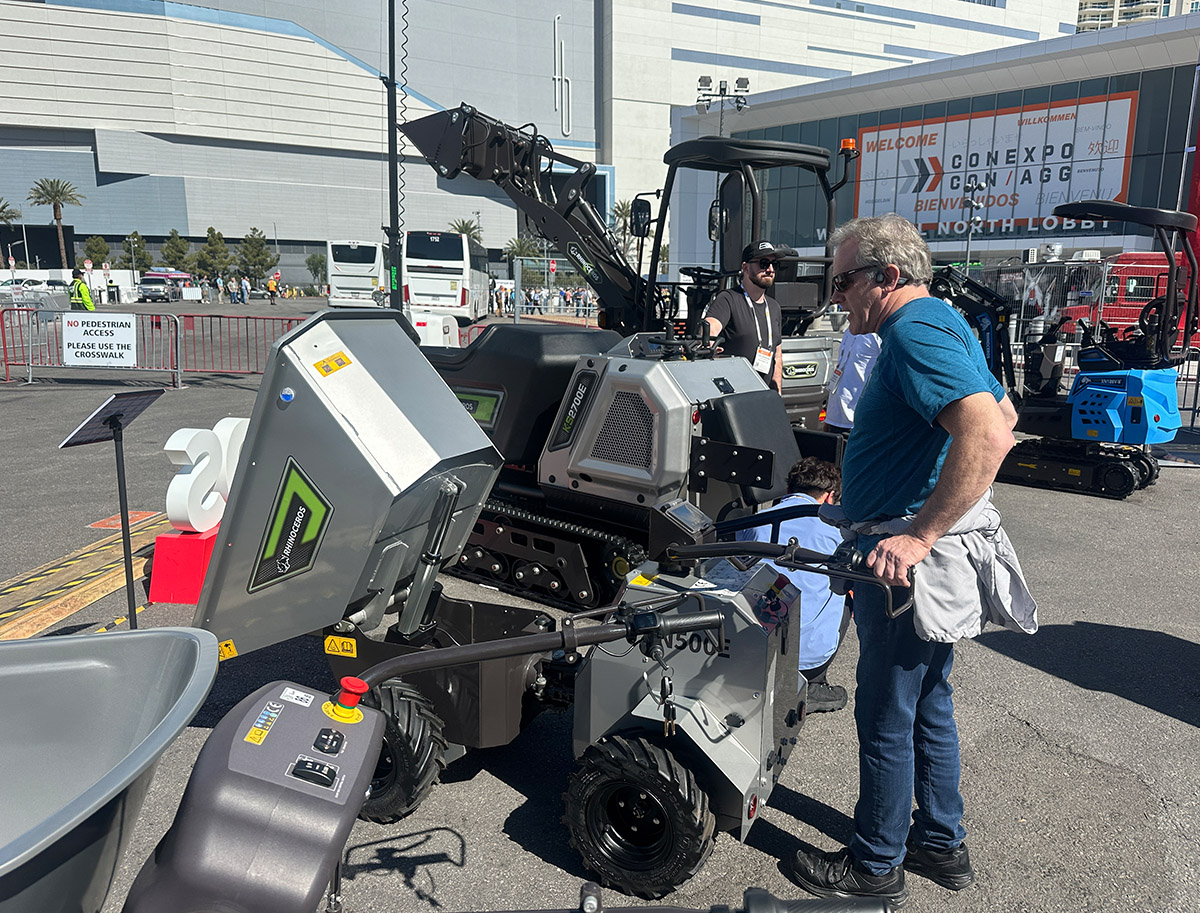
Electric mini dumpers trade engine maintenance for battery and drivetrain maintenance. The XN500E runs on lithium, and the KS2700TE runs a 72V system, and both share the same core habit: avoid deep-discharging the battery repeatedly, since that shortens usable battery life faster than normal charge cycling does. Beyond that, the maintenance list gets shorter, not longer. Electric drivetrains have fewer moving parts than a diesel engine and transmission, which is part of why electric models tend to need less scheduled service overall, not just cleaner service.
The undercarriage checklist, regardless of power source
Crawler dumpers need periodic track tension checks. A track that's too loose can derail on rough ground, and one that's too tight accelerates wear on the rollers underneath it. This applies whether the dumper runs on diesel or electric power, since it's a function of the tracks, not the drivetrain.
A simple way to think about frequency
Three tiers cover most of what actually needs attention. Daily: a quick walkaround checking for leaks, loose fasteners, and obvious damage before starting work. Weekly: a closer look at fluid levels, battery charge health, and track tension. Scheduled: the fixed-interval items like oil changes and filter replacement, which follow whatever schedule the specific engine or drivetrain manufacturer specifies.
Frequently asked questions
Do electric mini dumpers really need less maintenance than diesel ones?
Generally yes, since there's no engine oil, fuel system, or exhaust components to service, though battery health still needs regular attention.
How often should track tension be checked on a crawler dumper?
As part of a regular walkaround, especially after working on rocky or uneven ground where tracks are more likely to shift out of adjustment.
Is skipping a scheduled oil change on a diesel model a serious risk?
Yes. Extended intervals accelerate engine wear in ways that aren't visible until a failure happens, which typically costs far more than the service itself would have.
Maintenance intervals reflect standard configurations and may vary by option package; consult the operator manual for model-specific service schedules.