 中文
中文
 Español
 Francés
 Русский
 Português
 العربية
 Deutsch
 Italiano
 한국인
한국인
 Melayu
 ไทย
ไทย
 Việt
Việt
 bahasa Indonesia
 қазақ
қазақ
 Nederlands
 Ελληνικά
 Magyar
 čeština
 Suomalainen
 Filipino
Mini Dumper Hydraulic Oil: Type, Interval, What If Skipped
Reviewed by Justin, Product Engineer·Based on official factory specifications and industry reporting, August 2026
TL;DR: Hydraulic oil runs the tipping mechanism and, on tracked models, the drive system. Skipping changes doesn't cause a sudden failure, it causes a slow, expensive one.
Nobody notices hydraulic oil until the tipping mechanism starts hesitating, or a track motor loses power it used to have. By then, the fluid has usually been doing damage quietly for a while, since hydraulic wear rarely announces itself early.
What hydraulic oil actually does on a mini dumper
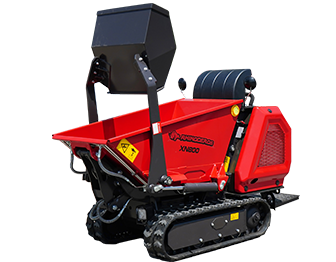
Hydraulic fluid isn't just lubricant. It's the medium that transmits force through the entire system, powering the tipping cylinder that lifts and dumps the skip, and on tracked models, the hydraulic drive motors that turn the tracks themselves. Degraded oil doesn't just lubricate poorly, it transmits pressure poorly, which shows up as sluggish tipping, reduced drive power, or a system that runs hotter than it should under normal load.
What type of oil actually goes in
Compact hydraulic equipment in this general class typically runs on ISO VG 46 anti-wear hydraulic oil for moderate temperatures, stepping down to ISO VG 32 for consistently cold conditions and up to ISO VG 68 for sustained heat or heavy-duty cycles, according to compact hydraulic equipment fluid grade guidance. The viscosity grade matters because fluid that's too thick for the temperature struggles to circulate on a cold start, while fluid that's too thin loses protective film under heat and load.
Using motor oil or an unrated generic hydraulic fluid as a substitute is a common shortcut that causes real damage, since fluid that doesn't meet the correct anti-wear additive specification accelerates seal and pump wear rather than protecting against it.
How often it actually needs changing
Change intervals vary by brand and severity of use, but general guidance across compact hydraulic equipment points to an initial change around 200 to 500 operating hours on a new machine, to clear out metal debris from the break-in period, followed by regular changes every 1,000 to 2,000 hours under normal conditions. Harsh conditions, dust, extreme heat or cold, or frequent heavy loading, generally call for cutting that interval in half.
A mini dumper's actual usage pattern matters here more than a generic number does. A machine running mostly light landscaping cycles wears its fluid more slowly than one running daily heavy debris loads in a hot climate, even at the same hour count.
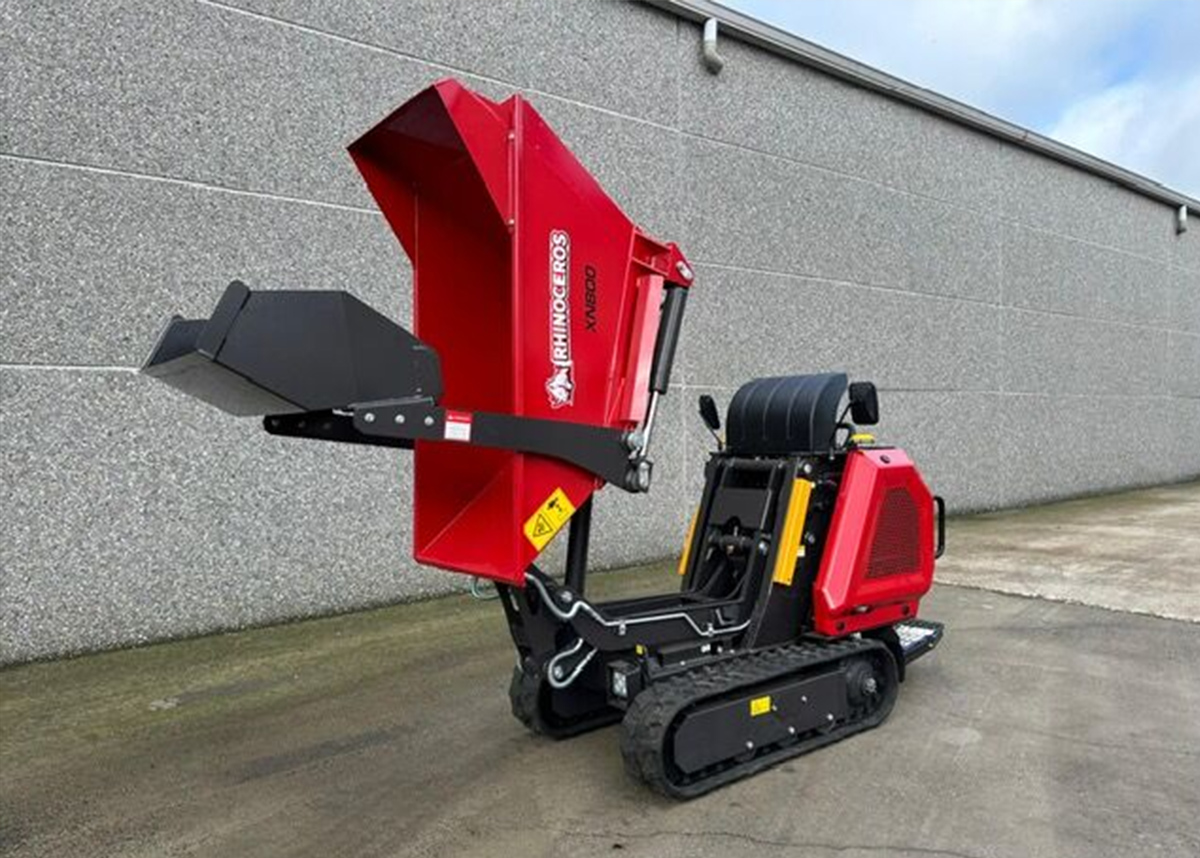
Five signs the fluid needs attention before the scheduled interval
Sluggish or hesitant tipping, taking noticeably longer to lift and dump a load than it used to
Reduced drive power on a tracked model, feeling underpowered on inclines or soft ground it previously handled fine
Unusual heat coming from the hydraulic system during normal operation
Visibly dark or cloudy fluid when checked against the sight gauge or dipstick
A burnt smell around the hydraulic reservoir, which points to fluid that's broken down under heat
Any one of these is worth investigating before the next scheduled change, not after, since fluid that's already showing these signs is actively accelerating wear on the pump and cylinder seals in the meantime.
What actually happens if it just never gets changed
Nothing dramatic happens immediately, which is exactly why this gets neglected. Degraded hydraulic fluid loses its lubricating film gradually, and the pump and cylinder seals wear faster as a result, gradually rather than suddenly. Industry data on hydraulic system failures broadly attributes a large share of them directly to fluid that exceeded its service interval, with the eventual cost showing up as a pump or seal replacement, a repair category meaningfully more expensive than the fluid change that would have prevented it, according to hydraulic maintenance cost and failure analysis.
The honest framing: skipping hydraulic oil changes doesn't save money. It defers a smaller, predictable cost into a larger, unpredictable one, on a system that's genuinely difficult to inspect casually since most of it is sealed and out of sight during normal operation.
Filters matter as much as the oil itself
A hydraulic filter change typically happens on a shorter interval than the full fluid change, roughly half the oil change interval in most guidance, since the filter catches contamination that would otherwise circulate straight into the pump and valves. Changing the oil without changing the filter on the same schedule leaves old contamination in the system to immediately dirty the new fluid, which undercuts much of the benefit of the change itself.
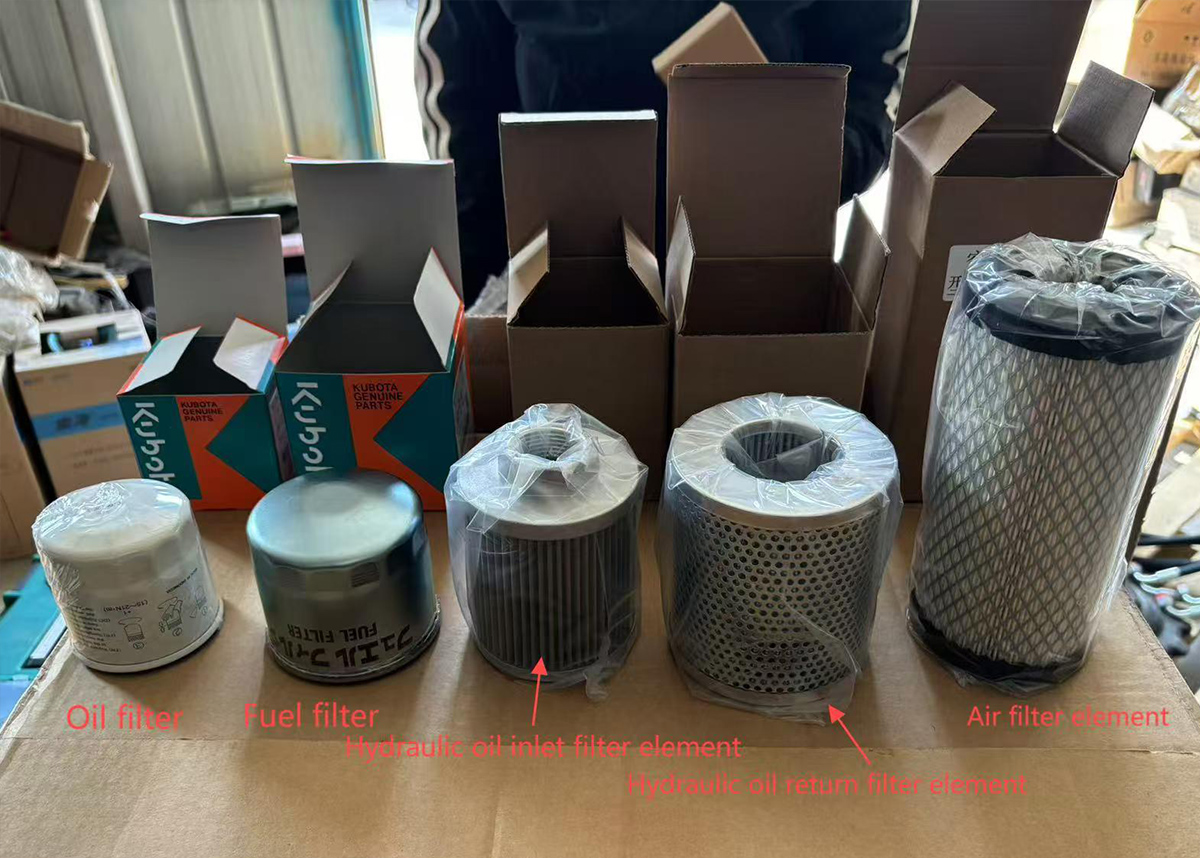
What a DIY-comfortable owner can reasonably check
Checking fluid level and clarity against the sight gauge, and watching for the warning signs listed above, are reasonable for most owners comfortable with basic mechanical upkeep. A full fluid and filter change involves handling hot fluid, proper drainage, and correct refill procedure, which is worth doing carefully or having done by a qualified technician, particularly for an owner without prior hydraulic system experience.
Reading fluid condition without lab equipment
A simple field check tells an owner more than skipping inspection entirely, even without formal oil analysis. Draw a small sample onto a clean white paper towel and let it spread: clear amber fluid that stays translucent is healthy, while fluid that looks milky suggests water contamination, and fluid with visible dark particles suggests metal wear already in progress. None of this replaces lab analysis for an owner managing a larger fleet, but it's a genuinely useful five-minute check for a single-machine owner deciding whether a change is overdue.
How climate changes the maintenance conversation
An owner operating primarily in a hot climate faces a different set of pressures than one in a cold one, and the hydraulic system reflects that directly. Sustained high ambient temperature accelerates oil breakdown and can justify shortening the standard change interval by a meaningful margin, sometimes by as much as a quarter to a half compared with moderate-climate guidance. Cold-climate operators face the opposite issue covered elsewhere for wheel excavators: fluid that's too thick to circulate properly on a cold start, which is a viscosity-grade question more than a change-interval one. Either extreme is a reason to look at the specific ISO VG grade in use, not just the calendar interval.
Why this connects to resale value too
A hydraulic system with a documented, on-schedule maintenance history is a meaningfully easier sell in the used market than one with an unknown or neglected history, for the same reason engine maintenance records matter on a diesel machine. A buyer evaluating a used mini dumper who can see dated hydraulic service records is evaluating a known quantity; one who can't is pricing in the risk of a pump or seal problem that hasn't surfaced yet.
Confirm the exact spec and interval for your specific model
Viscosity grade, exact change intervals, and filter specifications vary across the Rhinoceros mini dumper lineup and by specific hydraulic system configuration. Confirm the exact hydraulic fluid grade and change schedule in the operator manual for the specific model being used, rather than applying a general compact-equipment range without checking it against the manufacturer's own guidance.
Frequently asked questions
Can I use the same hydraulic oil in a mini dumper as in a mini excavator?
Often the same general specification applies, ISO VG grade and anti-wear rating matter more than the specific equipment type, but confirm against your specific model's manual rather than assuming.
Does an electric mini dumper still need hydraulic oil?
Yes, if it uses a hydraulic tipping mechanism, which most models do regardless of power source, since the electric motor typically drives a hydraulic pump rather than eliminating hydraulics entirely.
Is synthetic hydraulic fluid worth the extra cost?
It can be for machines run hard in temperature extremes or on extended service intervals, but for typical moderate use, quality mineral hydraulic oil is generally adequate and more economical.
How do I know if hydraulic fluid is contaminated versus just old?
Visible darkening, cloudiness, or a burnt smell are practical indicators; oil analysis testing gives a more precise answer for anyone managing a larger fleet.
Does a new machine need its first oil change earlier than later changes?
Generally yes. An early first change around 200 to 500 hours clears out metal debris generated during the break-in period, which subsequent changes at longer intervals don't need to address.
Should I change hydraulic oil myself or have it done professionally?
Basic level and clarity checks are reasonable for most owners; a full change involves hot fluid and correct disposal, which is worth doing carefully or through a qualified technician if you're not experienced with the process.
Hydraulic fluid specifications and change intervals vary by model and configuration; confirm current specifications directly with Rhinoceros and your operator manual before performing maintenance.