 中文
 Español
 Francés
 Русский
 Português
 العربية
 Deutsch
 Italiano
 한국인
 Melayu
 ไทย
 Việt
 bahasa Indonesia
 қазақ
 Nederlands
 Ελληνικά
 Magyar
 čeština
 Suomalainen
 Filipino
Kubota vs Yanmar: is it really just a different badge?
Kubota vs Yanmar: is it really just a different badge?
Our spec sheet lists both Kubota and Yanmar as engine options on the XN18. Here is what actually differs between them, and how to choose based on your work rather than brand loyalty.
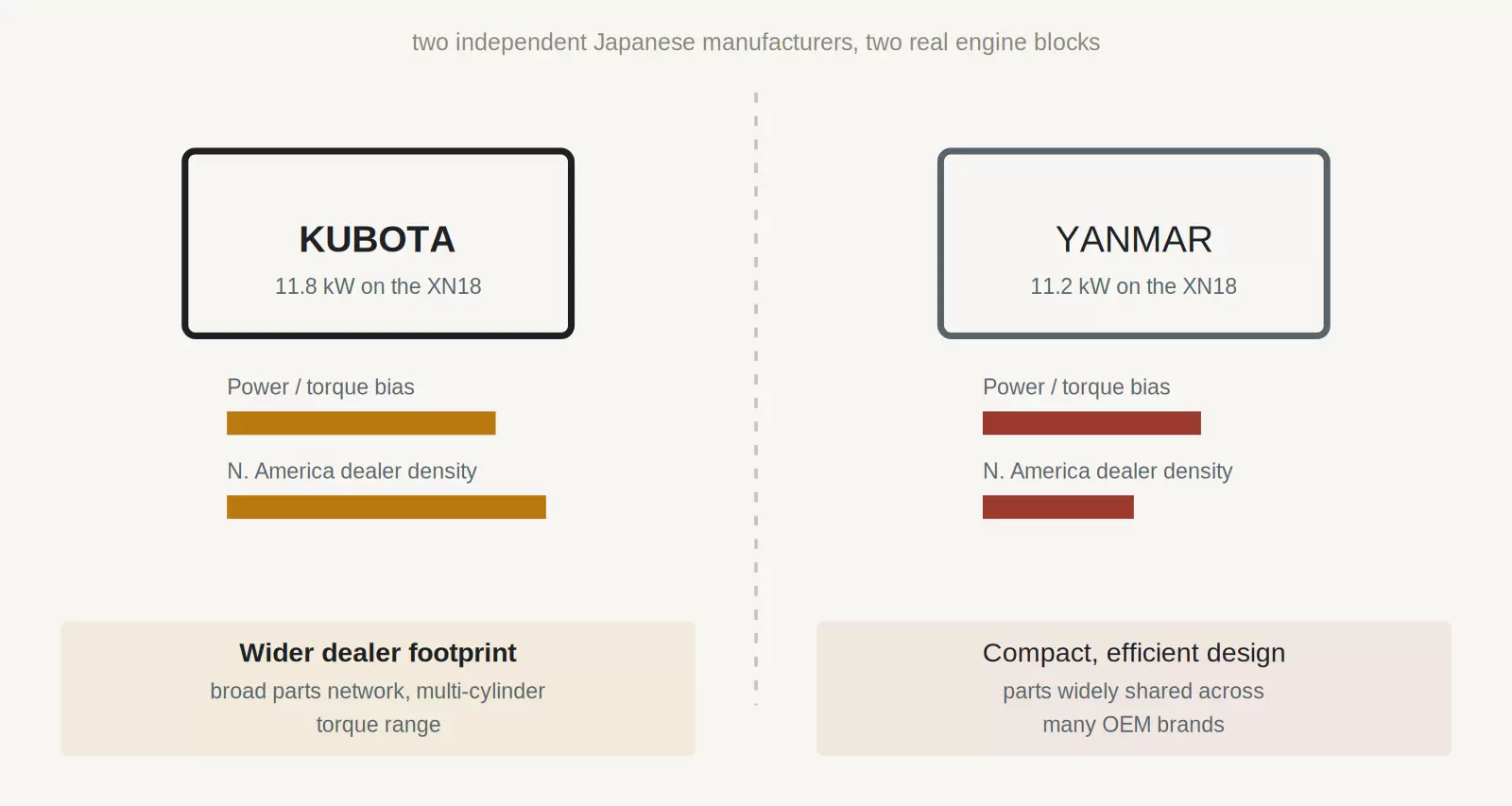
The real spec this article explains
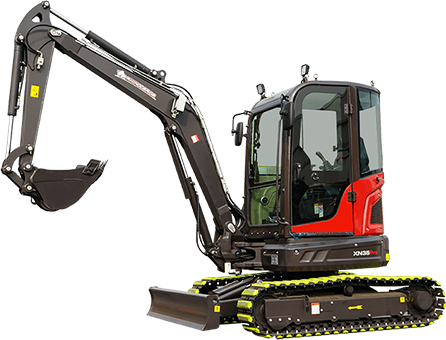
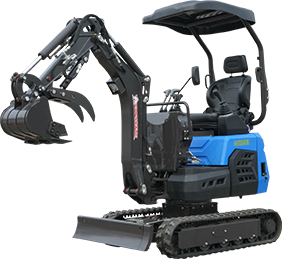
Our XN18 mini excavator page lists both Kubota and Yanmar as engine options, under the heading "Option Engine," with the power rating listed as 11.2 kW with the Yanmar and 11.8 kW with the Kubota. That difference, confirmed on our own spec sheet, already answers the question in the headline: these are not the same engine wearing two different covers. They are genuinely different hardware with a measurable output difference.
Two real, independent manufacturers
Kubota Corporation and Yanmar Holdings are both Japanese companies with over a century of engine manufacturing history, and both are independently engineered, not shared platforms with a swapped nameplate. Industry comparisons of the two brands across compact equipment are consistent on the broad positioning: Kubota is generally described as favoring a broader power range, multi-cylinder options, and torque output, while Yanmar is generally described as favoring compact, fuel-efficient designs well suited to smaller equipment.
Where the real differences show up
1. Power and torque character
On the XN18 specifically, the Kubota option is rated slightly higher at 11.8 kW versus 11.2 kW for the Yanmar. Industry comparisons describe this pattern as typical rather than unusual: in various configurations across the mini excavator market, Kubota models are often reported with stronger torque at a given RPM, while Yanmar is frequently noted for refined low-speed control and power-to-weight efficiency. Neither brand "wins" outright; the practical difference is usually modest at this power class, but it is real.
2. Dealer and parts network, the factor buyers tend to underweight
Industry sources are consistent and specific on this point, and it is arguably more decision-relevant than the small power gap: Kubota maintains a substantially larger dealer network in North America, commonly cited in the range of 1,000 to 2,000-plus locations, compared with Yanmar's smaller, more specialized network of roughly 250 or so. One industry source frames the practical buyer impact directly: when a machine goes down and a part is needed, the difference between a 1-day and a 5-day parts wait has a direct cost impact on any job with a deadline.
This is partially offset by a different fact worth knowing: because Yanmar engines power a wide range of other OEM brands' equipment as well as Yanmar's own, industry sources note that Yanmar parts themselves are generally easy to source even where Yanmar-specific dealer locations are thinner on the ground.
3. Emissions compliance: effectively a tie
Both brands' current engines meet Tier 4 Final and EU Stage V emissions standards using comparable technology, typically DPF and EGR systems. This is not a point of differentiation between the two options on the XN18; both are current, compliant engines.
Side by side
| Kubota | Yanmar | |
|---|---|---|
| Power on the XN18 | 11.8 kW | 11.2 kW |
| General design focus | Broader power range, torque | Compact, fuel-efficient |
| N. America dealer density | Larger network | Smaller, more specialized |
| Parts sourcing outside dealer network | Good | Very good — widely used across other OEM equipment |
| Emissions compliance | Tier 4 Final / Stage V | Tier 4 Final / Stage V |
What this does not mean
Neither engine is a compromise choice on the XN18. Both are current, independently engineered, emissions-compliant diesel engines from established manufacturers, and the practical difference for most buyers running a single machine on varied jobs will be small. This is not a case of a "premium" option and a "budget" option; it is two legitimate engineering approaches with genuinely different strengths, and the dealer network question is frequently the more consequential factor of the two.
How to actually decide
Check which brand has stronger dealer and service support in your specific region, not just nationally.
If your work involves sustained, heavy, continuous digging, the Kubota's slightly higher power rating may be the more relevant factor.
If you value fuel efficiency and already run other Yanmar-powered equipment, parts commonality may favor Yanmar.
Ask Rhinoceros directly whether both options carry the same warranty terms, since engine brand can sometimes affect this.
Send us your location and typical work through our inquiry form, and we can help you weigh dealer access against the engine specifications for your area. You can review the full specification on the XN18 product page.
Frequently asked questions
Is the Kubota vs Yanmar choice on the XN18 just a badge difference?
No. Our own spec sheet shows a real power difference between the two, 11.8 kW for Kubota versus 11.2 kW for Yanmar, confirming they are genuinely different engines, not the same hardware relabeled.
Which engine is more powerful on the XN18?
The Kubota option is rated slightly higher, at 11.8 kW compared with 11.2 kW for the Yanmar.
Which brand has better parts availability?
Kubota generally has a larger dedicated dealer network in North America. Yanmar parts are often easy to source regardless, since Yanmar engines power many other brands' equipment as well.
Do both engine options meet the same emissions standards?
Yes. Both current Kubota and Yanmar engines in this class meet Tier 4 Final and EU Stage V requirements.
Does the engine choice affect the XN18's warranty?
Confirm this directly with Rhinoceros, since warranty terms can vary by engine option and market.
What is the single most important factor in choosing between the two?
Dealer and service support in your specific region, according to multiple independent industry sources, often matters more to the ownership experience than the modest spec differences between the two brands.
Feature availability and exact figures vary by configuration and market; confirm current specifications and warranty terms directly with Rhinoceros before purchase. Industry comparisons of Kubota and Yanmar engine positioning are drawn from published third-party sources and describe general industry patterns, not confirmed claims about every specific engine model.