 中文
 Español
 Francés
 Русский
 Português
 العربية
 Deutsch
 Italiano
 한국인
 Melayu
 ไทย
 Việt
 bahasa Indonesia
 қазақ
 Nederlands
 Ελληνικά
 Magyar
 čeština
 Suomalainen
 Filipino
KS3000 vs XN500E: which mini dumper fits your job
Reviewed by Justin, Product Engineer·Based on official factory specifications, August 2026
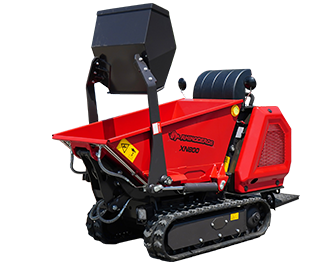
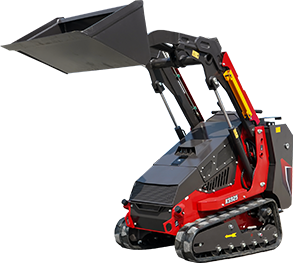
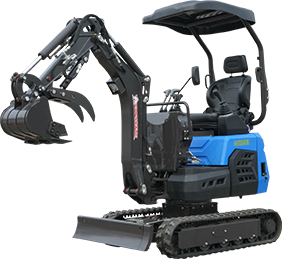
These two rarely compete for the same job. The KS3000 and XN500E sit at opposite ends of the mini dumper lineup on purpose, and the comparison that actually matters is whether your work fits the smaller machine's limits or genuinely needs the bigger one's capacity.
The numbers side by side
| Spec | KS3000 | XN500E |
|---|---|---|
| Machine weight | 1580 kg | 290 kg |
| Rated payload | 1360 kg | 500 kg |
| Bucket capacity | 0.5 cbm | 0.28 cbm |
| Width | 1090 mm | 889 mm |
| Power source | Kubota 14.2 kW diesel | Lithium electric |
| Top speed | 8 km/h | — |
Source: Rhinoceros official factory specification pages, rhinocerosequipment.com, August 2026.
The KS3000 carries nearly five times the payload of the XN500E and weighs over five times as much. This isn't a case of one machine being a slightly upgraded version of the other. They're built for different jobs.
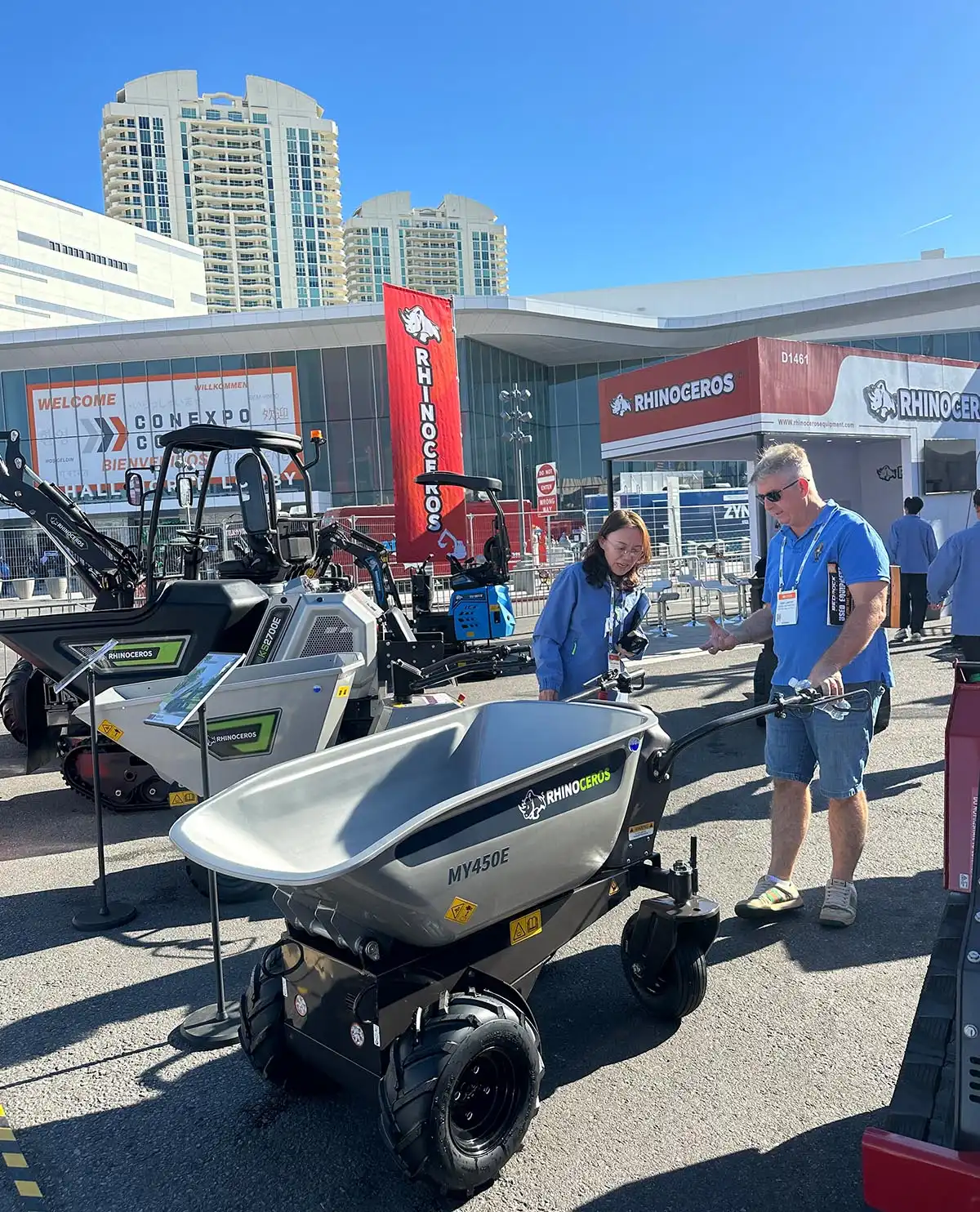
What the KS3000's extra capacity is actually for
A machine rated to move 1360 kg per load makes sense when the job is repetitive and heavy: clearing demolition debris, moving concrete or gravel in volume, or running material on a site where every trip counts toward a deadline. The diesel engine also means longer continuous runtime without stopping to recharge, which matters more on a full working day than on a two-hour job.
What the XN500E trades capacity for
At 290 kg, the XN500E is light enough to move through gates, up ramps, and across finished floors that a machine over a ton would struggle with or damage. It won't match the KS3000 load for load, but for residential work, interior renovation debris removal, or any job where access matters more than volume, that tradeoff is the entire point. Electric power also means no exhaust, which matters for indoor or noise-sensitive jobs the KS3000 isn't suited for regardless of payload.
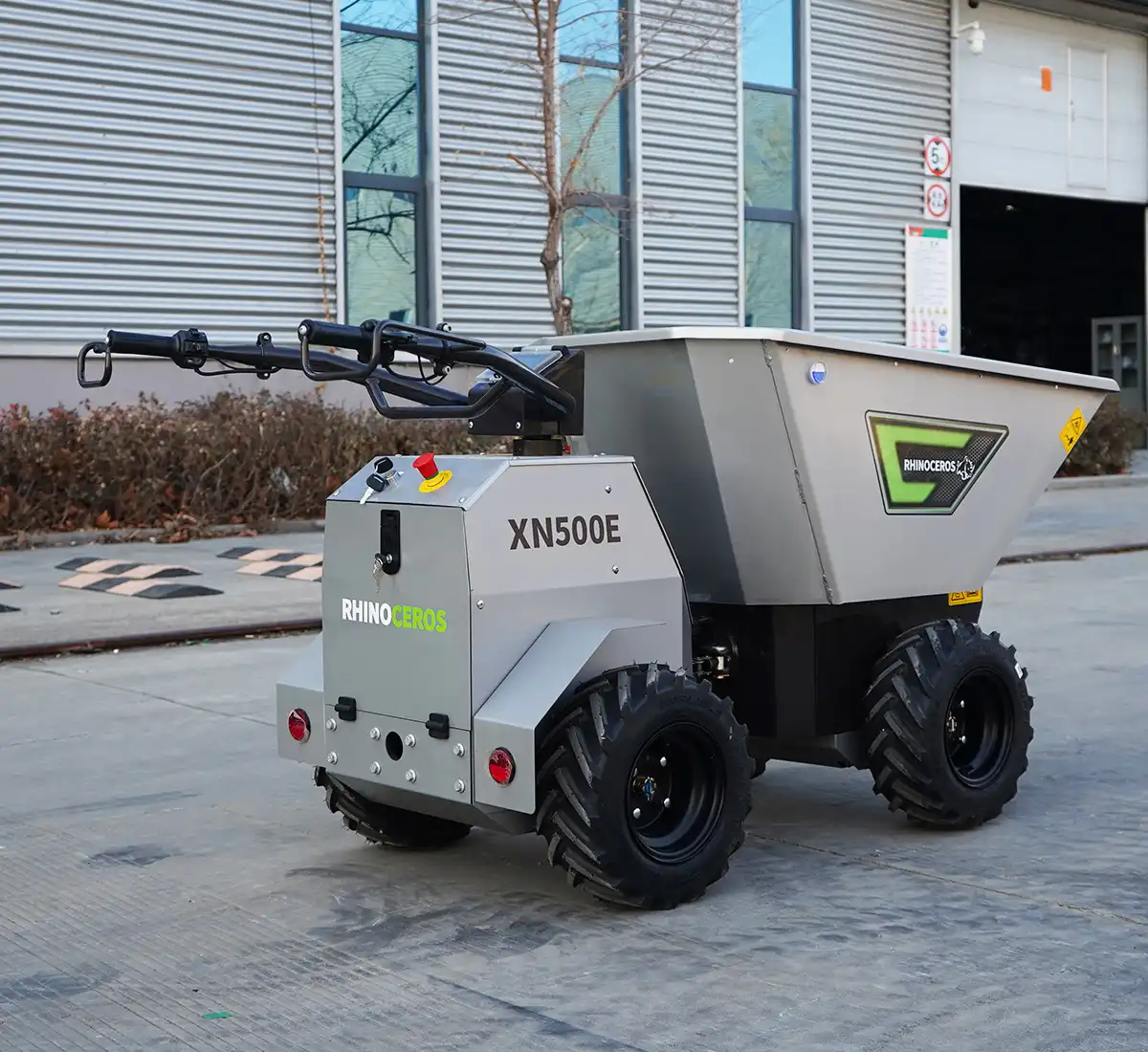
How to actually decide
The honest test isn't which machine is "better." It's whether your typical load is closer to 300 kg or 1200 kg, and whether your sites have access constraints a heavier diesel machine can't clear. A crew doing both types of work regularly may find they eventually need one of each rather than trying to make either machine cover both cases.
Frequently asked questions
Can the XN500E handle occasional heavy loads if most jobs are light?
Only up to its 500 kg rated payload. Exceeding that rating regularly accelerates wear and affects stability, so it's not a substitute for a higher-capacity machine on jobs that consistently exceed it.
Is the KS3000 too large for residential work?
Not necessarily, but its width and weight make tight-access sites harder to work than they'd be with a smaller electric model, so site access is worth checking before assuming it fits.
Does the diesel KS3000 cost more to run than the electric XN500E?
Generally yes, on a per-hour basis, since diesel involves fuel and more scheduled maintenance than an electric drivetrain does. That's part of the tradeoff for the added capacity and runtime.
Specifications reflect standard configurations and may vary by option package; confirm current specifications directly with Rhinoceros before purchase.