 中文
 Español
 Francés
 Русский
 Português
 العربية
 Deutsch
 Italiano
 한국인
 Melayu
 ไทย
 Việt
 bahasa Indonesia
 қазақ
 Nederlands
 Ελληνικά
 Magyar
 čeština
 Suomalainen
 Filipino
ISO vs SAE control patterns on a mini excavator: which to choose
ISO vs SAE control patterns on a mini excavator: which to choose
Two control patterns dominate mini excavators, and they differ in one thing: which hand moves the boom and which moves the arm. Here is how to choose, and what a one-key switch is for.
The real spec this article explains
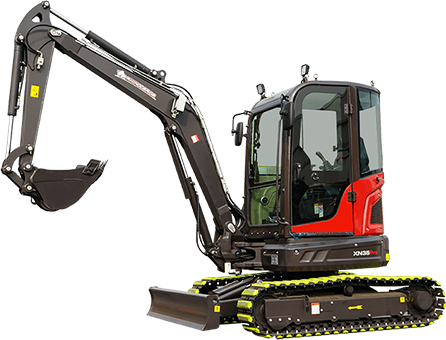
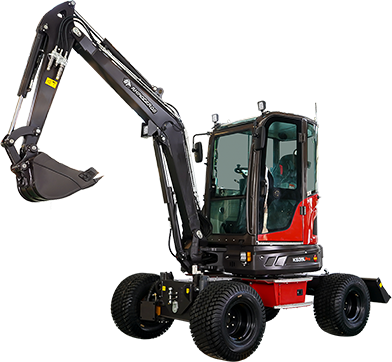
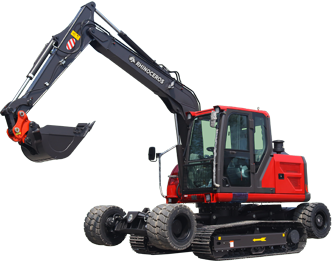
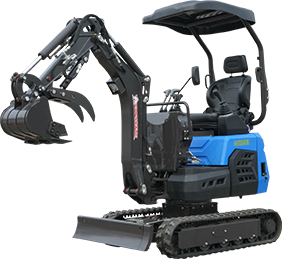
Our mini excavators let the operator choose between the ISO and SAE control patterns with a single switch. It is included on the XN18 and the XN35PRO, and it is an option on the XN20B, XN20C, XN25B and XN25C. The table further down lists each model. The rest of this article explains what the two patterns are and how to decide.
What the two patterns are
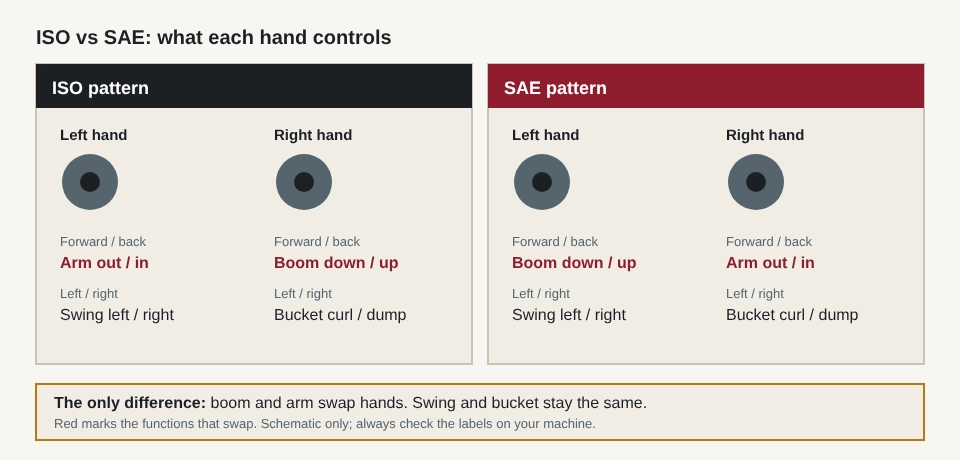
On any mini excavator the left and right joysticks each control two movements: one by pushing forward and back, the other by moving left and right. Swing and bucket are the same in both patterns. The difference is the other function on each hand. In the ISO pattern, the left joystick runs swing and the arm, and the right joystick runs the boom and the bucket. The SAE pattern swaps the boom and the arm between the hands, so the left joystick runs swing and the boom, and the right runs the arm and the bucket (Wikipedia, Excavator controls).
Why both exist
ISO is the most widely used pattern in the world, and it is the one standardised in ISO 10968. SAE, sometimes called the backhoe pattern, is one of the most common in the United States (Wikipedia). One industry article reports that operator preference is nearly split between ISO and SAE, with regional differences, and that where backhoes dominate the market SAE is more popular on compact excavators (Compact Equipment). So neither pattern is more modern or more correct. They reflect what operators learned first.
Which should you choose
| Your situation | What usually fits |
|---|---|
| Your operators learned on larger excavators in most of the world | ISO is the common pattern there |
| Your operators come from backhoe loaders | SAE usually feels familiar |
| One operator, one machine | Whichever that operator already uses; a switch matters less |
| Rental fleet, shared machines, or crews that mix backgrounds | A machine with a one-key switch, so each operator can set their own pattern |
There is no safety advantage to either pattern. The risk is a mismatch: an operator who expects the boom on one hand and finds the arm there. A machine that matches the operator is the safer choice, whichever pattern it is.
What a one-key switch is for
Where a machine has a pattern selector, the operator can change between ISO and SAE without leaving the seat. Bobcat's buying guide says a pattern selector should be easy to reach, so the operator does not have to stretch out or leave the seat to find a distant switch (Bobcat). Our machines use a single switch for the same purpose. The exact position depends on the model, so check the operator's manual.
The value of the switch is flexibility, not speed. It lets a shared machine suit different operators, and it lets a new owner pick the pattern that matches their crew. It is not meant to be flipped mid-job.
A safe habit when you change pattern
Change the pattern with the machine parked, following the operator's manual.
Rest the bucket on the ground and keep people clear.
Move each joystick slowly and watch what moves before you start digging.
Tell everyone who uses the machine which pattern it is set to.
Which models include it
| Model | ISO / SAE |
|---|---|
| XN18 | Included |
| XN20B (cab) | Option |
| XN20C (roll-over frame) | Option |
| XN25B | Option |
| XN25C | Option |
| XN35PRO | Included |
What this does not mean
The pattern does not change the machine's power, digging force or hydraulics. It changes only which lever moves which part. The switch also does not remove the need to train an operator who is new to a pattern. For how our pilot hydraulic controls feel in use, see our article on pilot control.
Questions to ask before you buy
Is the ISO / SAE selector standard or an option on the model I want?
Where is the switch, and can the operator reach it from the seat?
Does changing it need a key or a tool?
Is the current pattern labelled in the cab?
Ask us for the confirmed control configuration for your model through our inquiry form, or compare the full crawler excavator range.
Frequently asked questions
What is the difference between ISO and SAE excavator controls?
The boom and the arm swap hands. Swing and bucket are the same in both. In ISO the left joystick runs swing and the arm; in SAE it runs swing and the boom.
Which pattern is safer?
Neither. The safer machine is the one that matches what the operator already knows, because the risk is expecting one movement and getting another.
Does my mini excavator have an ISO / SAE switch?
The XN18 and XN35PRO include it. The XN20B, XN20C, XN25B and XN25C offer it as an option. Confirm for your configuration when you order.
Can I change the pattern myself?
Yes, with the switch on the machine. Follow the operator's manual, and test each joystick slowly before you start digging.
Does changing the pattern affect performance?
No. It changes only which lever controls which movement, not power or digging force.
Should I change the pattern on a rental or shared machine?
Tell every operator which pattern it is set to, and check it before each job. A switch lets each operator set their own, but only if the setting is known.
Feature availability varies by model and configuration; confirm current specifications directly with Rhinoceros before purchase. Statements about control patterns and other manufacturers come from public industry sources, not from testing by Rhinoceros.