 中文
 Español
 Francés
 Русский
 Português
 العربية
 Deutsch
 Italiano
 한국인
 Melayu
 ไทย
 Việt
 bahasa Indonesia
 қазақ
 Nederlands
 Ελληνικά
 Magyar
 čeština
 Suomalainen
 Filipino
How to Match Mini Dumper Bucket Capacity to the Job
Reviewed by Justin, Product Engineer·Based on official factory specifications, August 2026
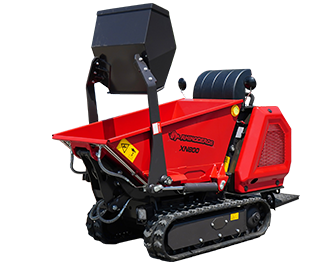
Quick answer: Bucket capacity in cubic meters and payload capacity in kilograms hit their limit at different points depending on what’s being hauled—a bucket full of mulch and a bucket full of wet gravel can be the same volume but very different weights. Sizing a mini dumper means checking both numbers against the actual material, not picking based on machine footprint alone.
It’s easy to size a mini dumper by comparing machine dimensions to site access and stopping there. The bucket capacity and payload rating deserve equal attention, because they don’t always run out at the same time.
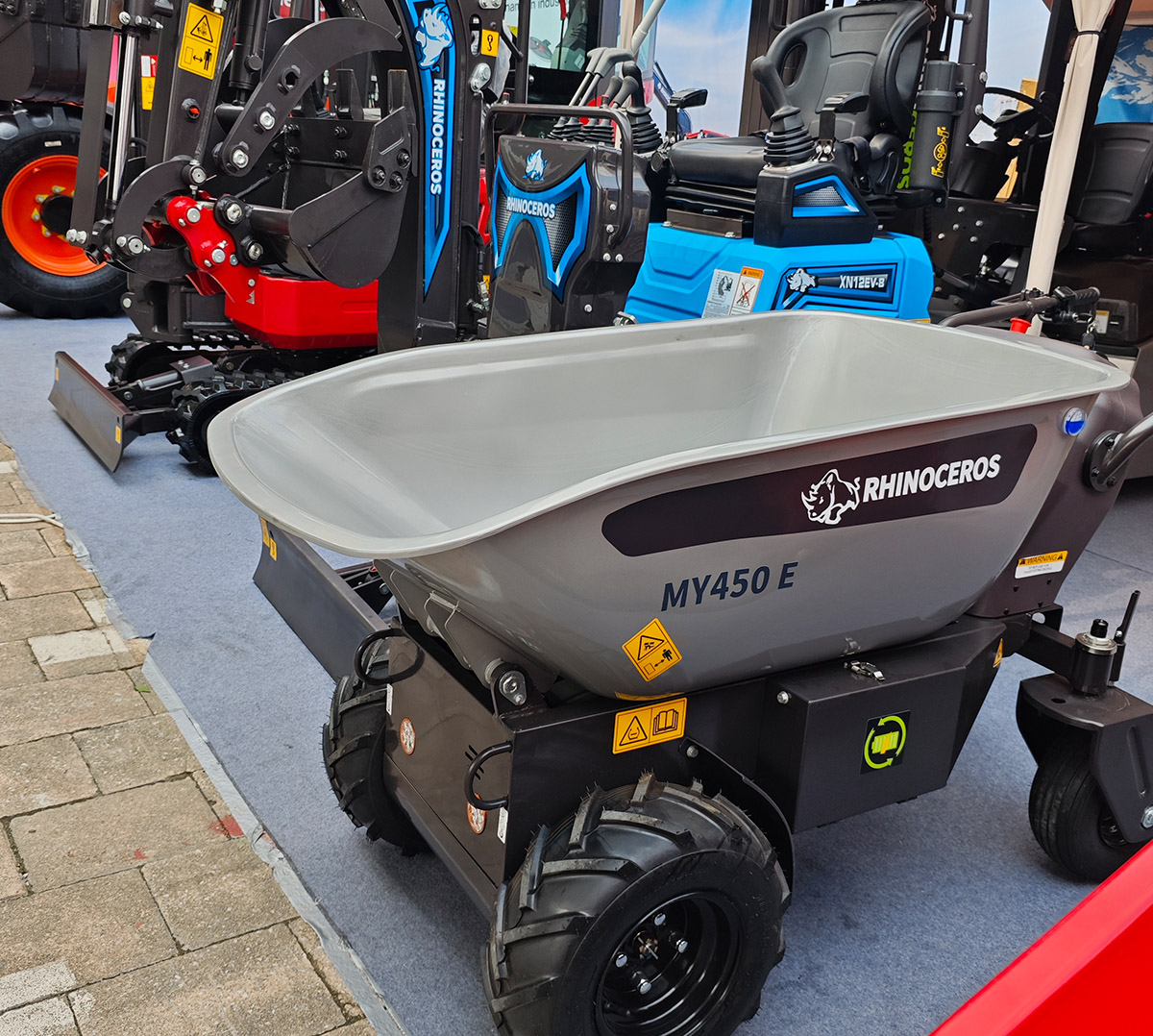
Why Bucket Capacity Alone Doesn’t Tell the Whole Story
A bucket rated for a certain volume can be filled well past its practical payload limit before it looks full, depending on material density. Wet gravel, soil, or concrete debris is dramatically heavier per cubic meter than mulch, loose sand, or garden waste. That means a machine can hit its rated payload limit while the bucket still looks like it has room left—the volume number alone doesn’t tell you when to stop loading; the weight rating does.
Estimating Job Volume Before Choosing Capacity
A rough estimate goes a long way before comparing bucket sizes: measure the area to be cleared or moved, multiply by depth, and that gives an approximate material volume for the job. Comparing that figure against a machine’s bucket capacity gives a realistic sense of how many loads a job will take—useful for judging whether a smaller machine making more trips is actually slower than it looks, or whether a larger bucket capacity is worth the tradeoff in maneuverability.
Why a Smaller Bucket Can Sometimes Be Faster Overall
A larger bucket capacity reduces the number of trips, but only if the machine can actually access the material efficiently. On a tight —narrow gates, backyard access, indoor demolition—a smaller, more maneuverable machine making more trips can outperform a larger one that has to take a longer path or reposition more often to reach the material at all. Capacity on paper doesn’t account for how much time gets lost to access constraints on the actual site.
When Oversizing Backfires
Choosing more capacity than a job needs isn’t just an efficiency question—it also raises the temptation to load past the rated payload “to make the trip count,”which is one of the operator habits that accelerates wear over time. Sizing to the job, rather than defaulting to the largest available option, keeps loading within the machine’s intended rating instead of encouraging it to be pushed past it.
Frequently Asked Questions
Does bucket capacity or payload rating matter more when choosing a size?
Both matter, but for dense material like gravel or wet soil, payload rating is usually the limiting factor before bucket volume is. For light material like mulch or garden waste, bucket volume is more likely to be the practical limit.
Is it better to oversize“just in case”?
Not necessarily. A machine sized larger than the job needs can lose time on tight-access sites and creates more temptation to overload on the jobs it is genuinely suited for.
How does material density change this calculation?
Denser material reaches the weight limit at a smaller fraction of the bucket's visual capacity, so the same bucket can carry a full load of mulch but only a partial load of wet gravel before hitting the payload rating.
Bucket capacity and payload figures reflect standard configurations as published on official factory specification pages and may vary by option package or model year; confirm current specifications with Rhinoceros before purchase.