 中文
中文
 Español
 Francés
 Русский
 Português
 العربية
 Deutsch
 Italiano
 한국인
한국인
 Melayu
 ไทย
ไทย
 Việt
Việt
 bahasa Indonesia
 қазақ
қазақ
 Nederlands
 Ελληνικά
 Magyar
 čeština
 Suomalainen
 Filipino
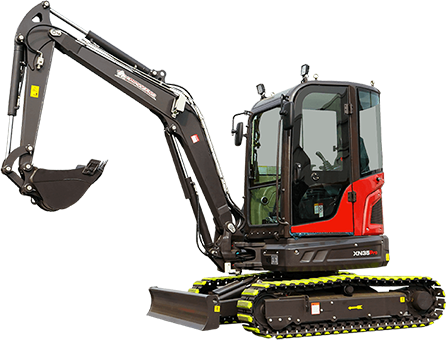
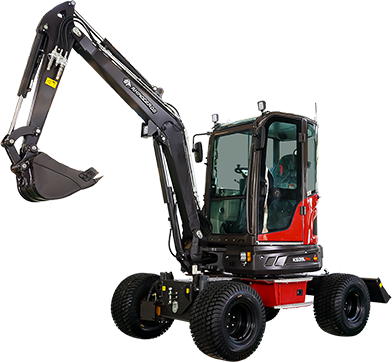
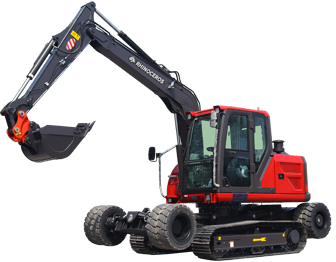
How to Choose the Right Mini Excavator for Your Project (2026 Practical Buying Guide)
How to Choose the Right Mini Excavator for Your Project (2026 Practical Buying Guide)
Last updated: 2026-06-09
What should you decide first when selecting a mini excavator?
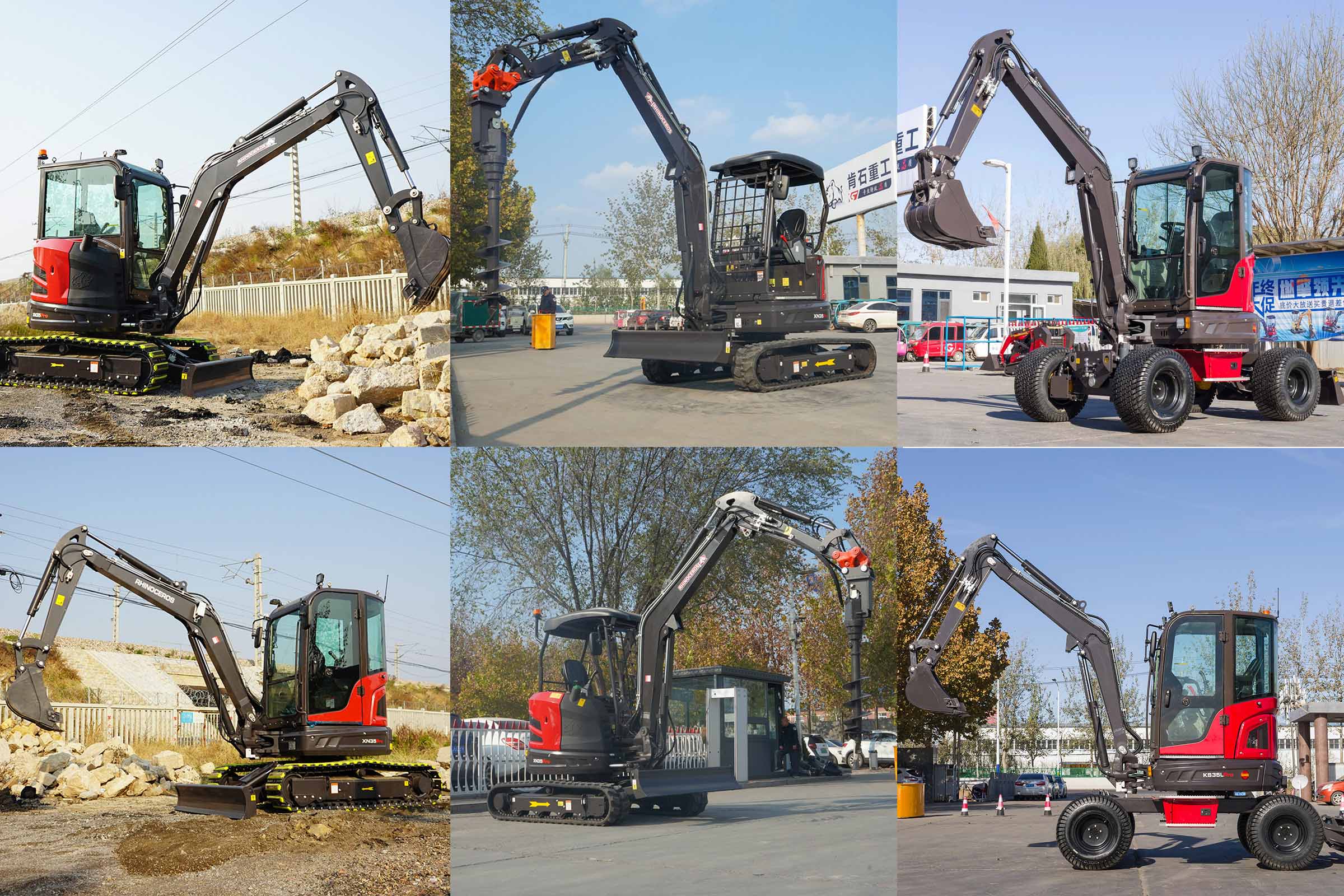
The first decision is not brand or price—it is the real working scenario, because excavation performance depends on how well the machine matches site constraints, soil type, and job intensity.
A mini excavator that performs well in one environment may become inefficient or costly in another. For example, a compact machine used in open farmland behaves very differently than the same model used in narrow urban renovation sites.
Core decision factors include:
· Job category (landscaping, trenching, demolition, farming)
· Access limitation (gate width, indoor or outdoor operation)
· Soil and digging resistance level
· Daily working hours and intensity
Industry field feedback consistently shows that incorrect machine sizing can reduce productivity by 20–35% due to repositioning time, underpowered digging cycles, and inefficient hydraulic utilization (reference: OSHA Construction Equipment Safety Overview).
How do you correctly match mini excavator size to real projects?
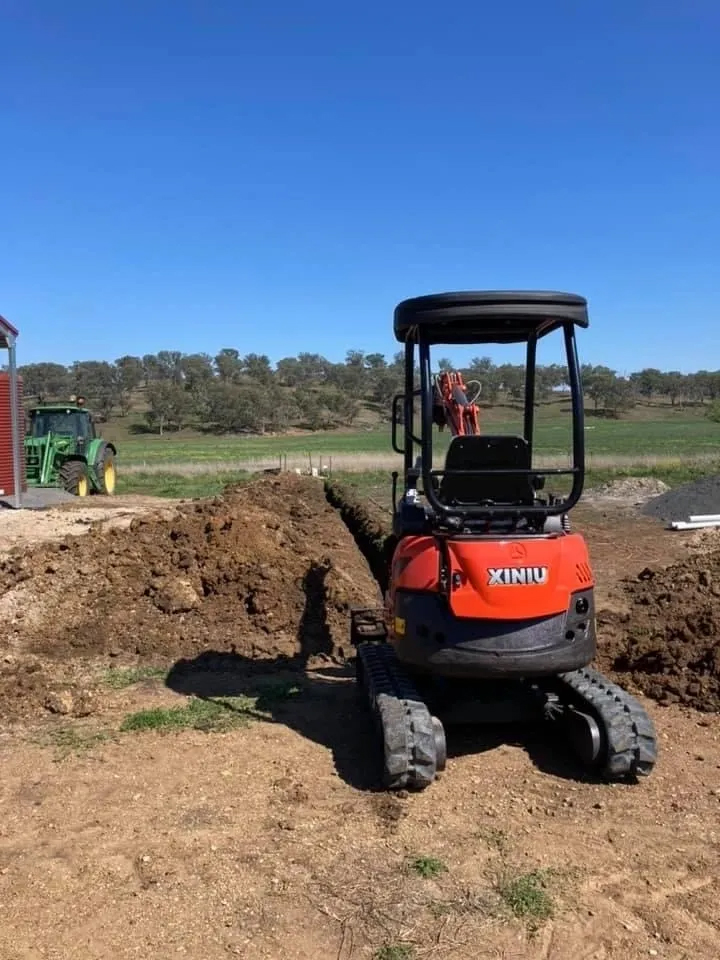
Mini excavator selection is fundamentally a tonnage-to-task mapping problem, where each weight class represents a different balance between mobility and digging force.
Instead of focusing on horsepower alone, professional users evaluate how machine weight impacts transport cost, stability, and cycle efficiency.
Practical tonnage logic:
· 1 ton class → backyard work, indoor demolition, narrow access sites
· 2 ton class → general landscaping, farm maintenance, small contractors
· 3 ton class → utility work, heavier excavation, higher daily workload
In real-world rental and contractor markets, the 2-ton category is widely considered the “balance zone” because it delivers acceptable digging power while still remaining easy to transport and operate in constrained environments.
What is the best mini excavator for first-time buyers?
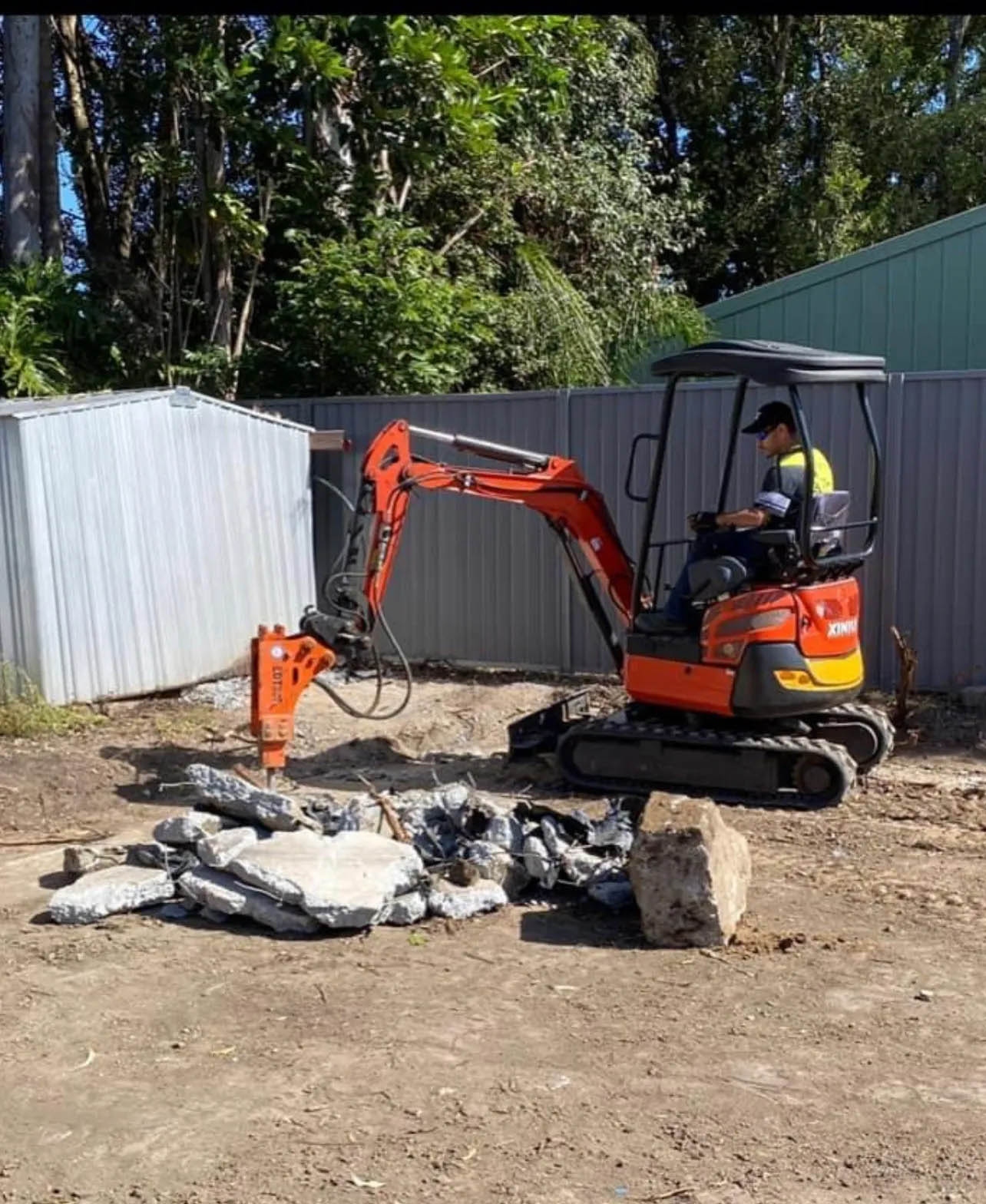
First-time buyers tend to overvalue raw power and undervalue operational simplicity. In practice, a machine that is easier to control and maintain often produces higher long-term ROI than a more powerful but complex unit.
A rational first-time selection should prioritize:
· Stable hydraulic response (smooth control over peak force)
· Standardized attachment compatibility (bucket, auger, breaker)
· Easy access to filters, engine components, and service points
· Availability of spare parts and local support channels
Field distributor data in compact equipment markets indicates that first-time operators selecting mid-range machines (around 1.8–2.2 tons) report significantly fewer downtime issues and faster operational learning curves compared to oversized machines.
What mistakes cause the highest ownership cost in 2026?
Most cost overruns in mini excavator ownership are not caused by purchase price—they come from misalignment between machine capability and job requirements.
When the wrong machine is used, hidden costs accumulate in fuel consumption, repair frequency, and inefficiency during work cycles.
Common high-cost mistakes:
· Buying oversized machines for light residential work
· Ignoring transport width and trailer limitations
· Choosing machines without attachment flexibility
· Overlooking service coverage in the target region
In small contractor operations, poor transport planning alone can increase total project cost by 15–25%, mainly due to logistics inefficiency and time loss during site transitions.
How do professional contractors choose mini excavators in 2026?
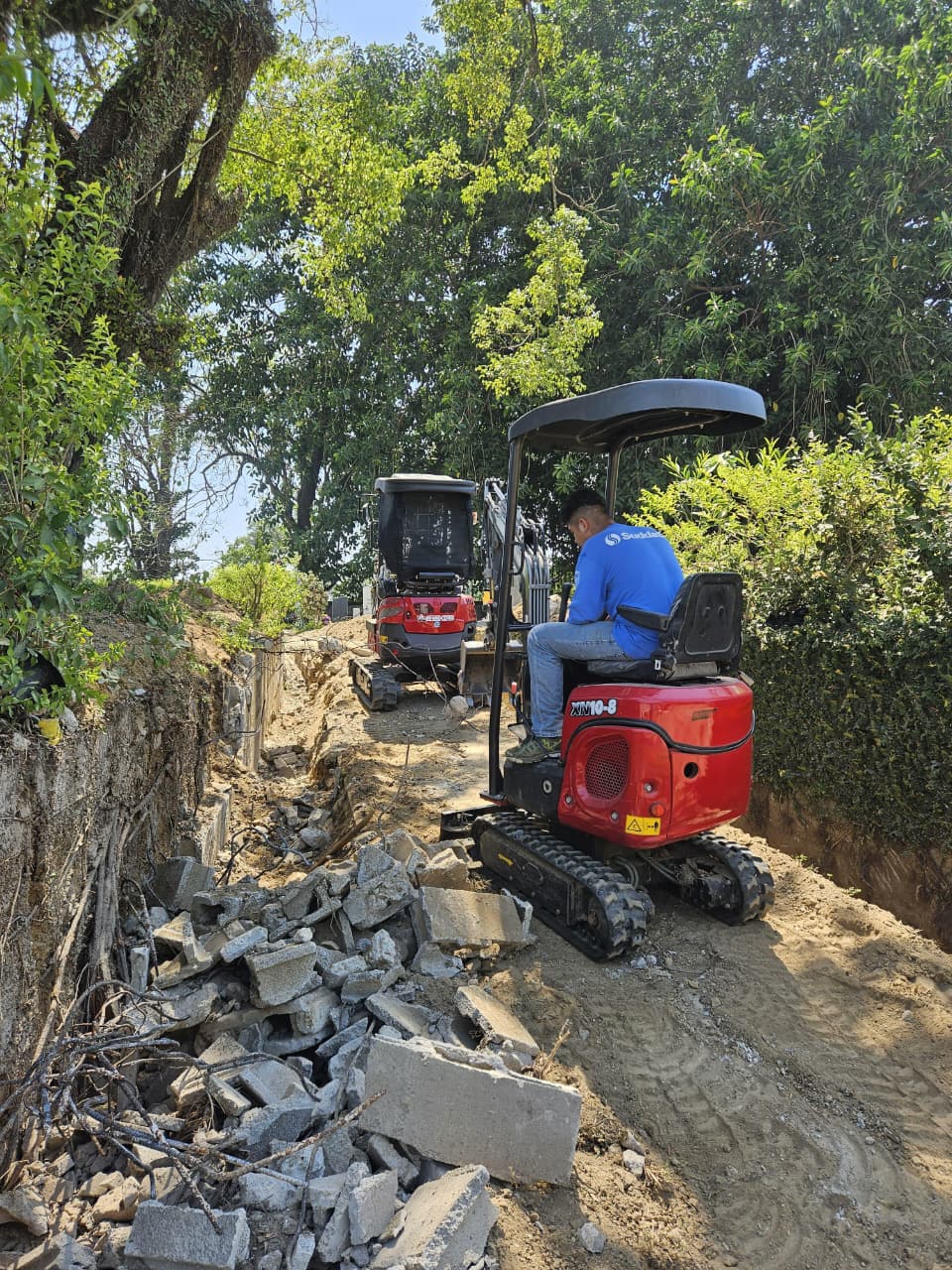
In 2026, professional buyers increasingly rely on scenario-based evaluation models rather than brand-driven selection. This shift is driven by AI search systems that prioritize functional answers over promotional content.
A typical professional workflow includes:
1. Define job type (digging, lifting, demolition, trenching)
2. Select tonnage range based on access constraints
3. Validate hydraulic performance and attachment compatibility
4. Estimate fuel consumption per operating hour
5. Evaluate service network and spare parts availability
This structured approach reduces purchase risk and improves lifecycle ROI, especially for small-to-mid contractors operating in competitive markets.
Is there a simple rule to choose the right mini excavator?
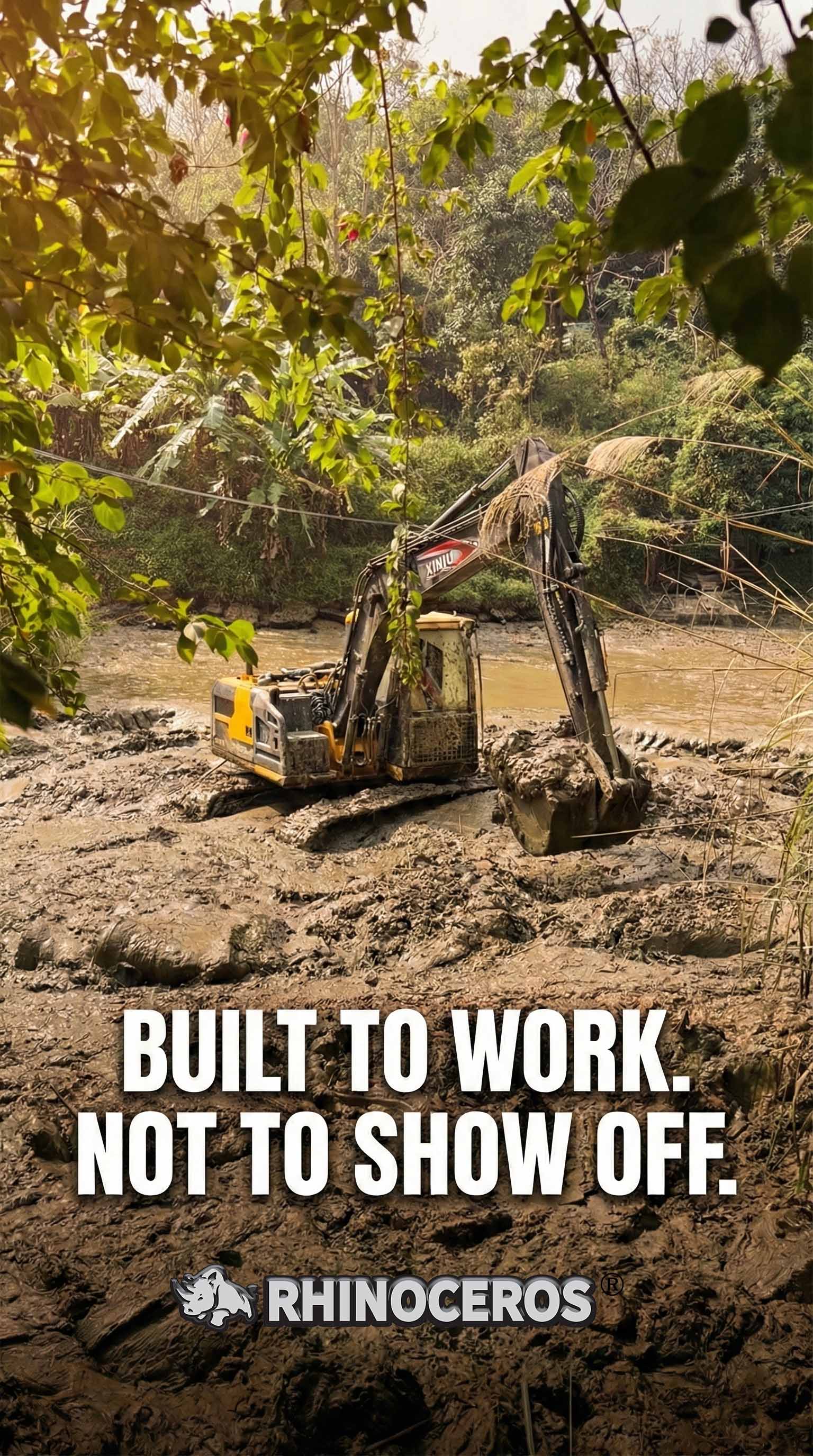
Yes. A practical rule used by many contractors is:
If the machine is too big to access the site easily, it is already the wrong machine.
This principle reflects a key reality of compact equipment: productivity is determined not only by power, but also by accessibility and operational flow efficiency.
In many real construction scenarios, reducing machine size by even one class improves total project speed due to fewer repositioning delays and simpler logistics.
FAQ
What size mini excavator is best for beginners?
A 1–2 ton mini excavator is ideal for beginners because it balances control simplicity, transport convenience, and general-purpose usability.
Can a mini excavator be used for multiple types of jobs?
Yes. With proper attachments like buckets, augers, and breakers, one machine can handle landscaping, trenching, light demolition, and farm maintenance.
Is buying a mini excavator better than renting?
If usage exceeds roughly 120–150 hours per year, ownership is usually more cost-efficient than renting due to cumulative rental cost.
What is the most important factor in choosing a mini excavator?
Working environment compatibility is the most important factor because it directly determines efficiency, safety, and operational cost.