 中文
 Español
 Francés
 Русский
 Português
 العربية
 Deutsch
 Italiano
 한국인
 Melayu
 ไทย
 Việt
 bahasa Indonesia
 қазақ
 Nederlands
 Ελληνικά
 Magyar
 čeština
 Suomalainen
 Filipino
KS450E’s three-speed travel: when to use which gear
By Justin, Product Engineer · Based on official factory specifications and industry operating documentation, September 2026
TL;DR: Use low speed for loaded runs, confined spaces, and slopes. Use higher speed for light or empty runs across open, flat ground. The pattern is consistent across this class of machine: speed and load control stability together, not independently.
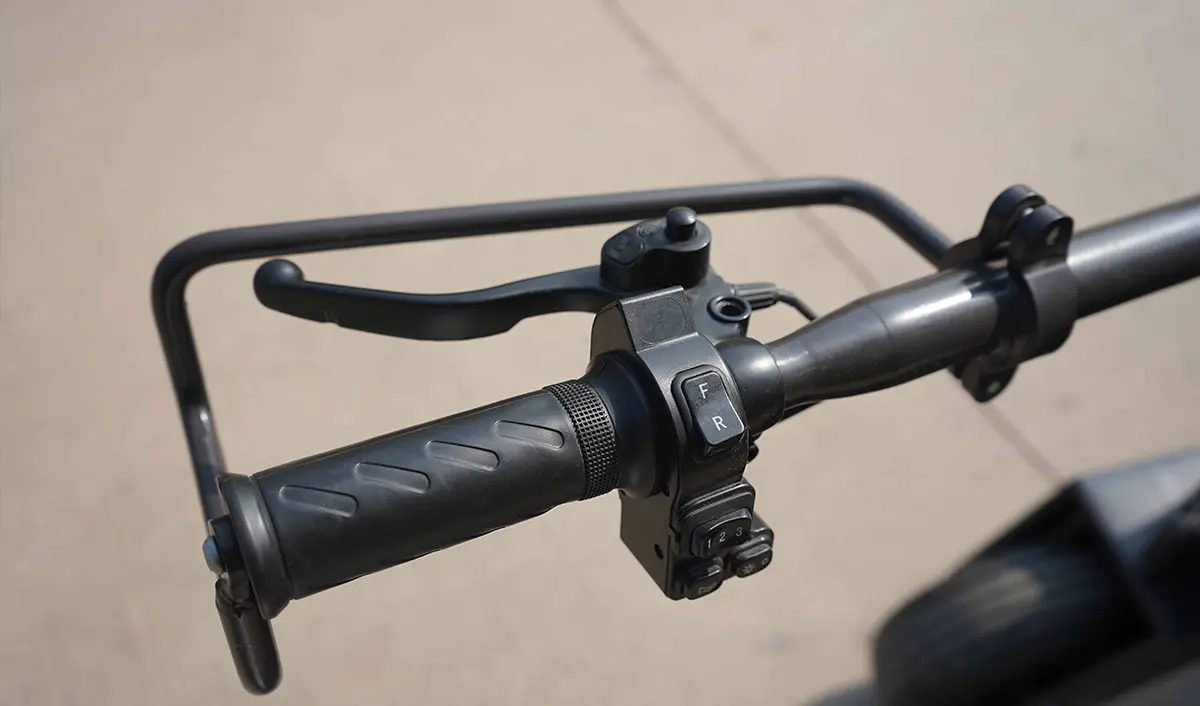
The real spec this article explains
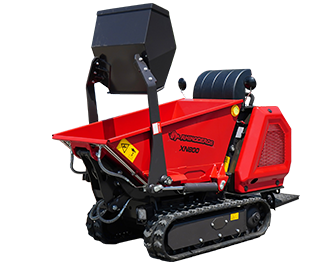
Our official KS450E listing confirms three forward travel speeds with a maximum of 6km/h. This article covers how to actually choose between them, since the general principle behind multi-speed settings on this class of machine is well established and consistent across manufacturers, even though the exact speed at each of the KS450E's three settings is not separately published on our current page.
Why the machine has three speeds instead of one
A single-speed machine forces a trade-off between control and productivity on every job. Operating documentation for similar electric and petrol-powered mini dumpers consistently describes the same logic behind multi-speed systems: lower speeds give more precision and control when it matters most, heavier loads, tighter spaces, unfamiliar terrain, while higher speeds let an empty or lightly loaded machine move material efficiently across open ground where that precision is less critical.
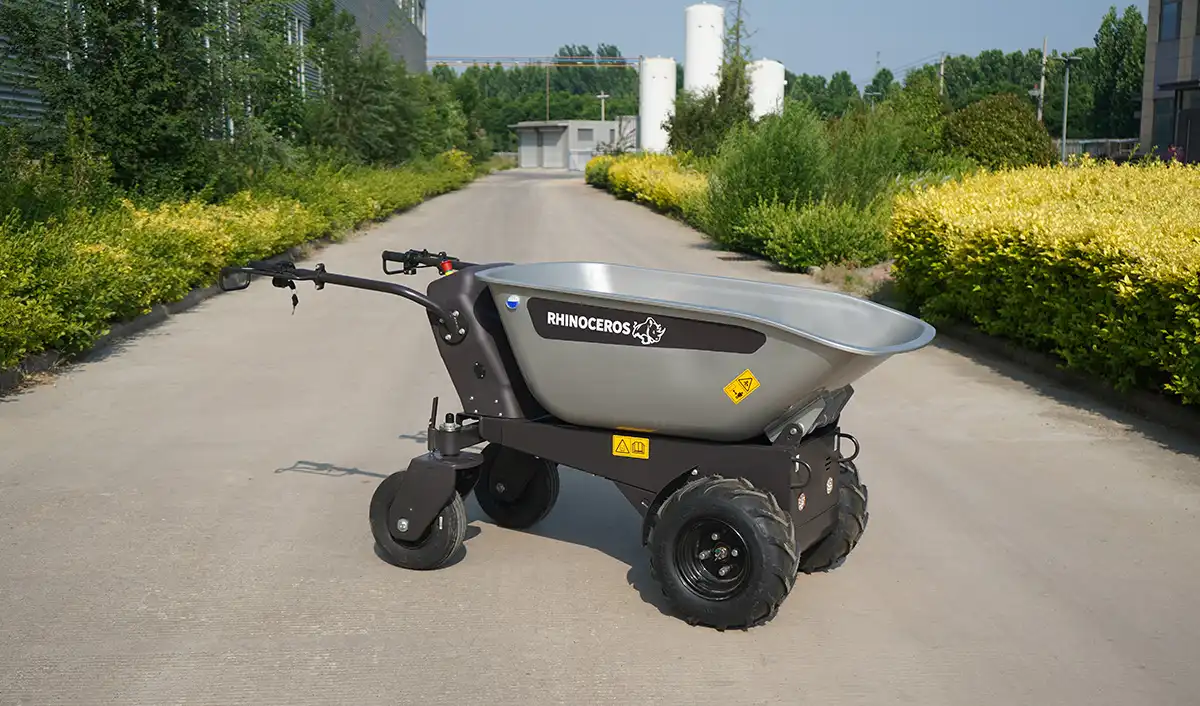
The pattern that shows up across every manufacturer's manual
Checking operating guidance across several comparable machines in this class turns up the same core rules, consistently:
Slower speeds are for heavier loads; faster speeds are for transporting light loads or an empty hopper. This exact guidance appears in multiple manufacturers' operator manuals for similar tracked and wheeled power barrows.
Use low speed on descents. Manuals for comparable electric mini dumpers specifically instruct operators to shift to low speed before a steep descent, to avoid losing control.
Steering sensitivity increases with speed and load. Documentation across this equipment class notes that turning becomes sharper and requires more care at higher speed or with a heavier load, and some manuals specifically instruct operating steering controls only at reduced speed.
Use a slower speed until you are familiar with the machine. This is standard advice across comparable operator manuals, independent of operator experience with other equipment.
Avoid sudden stops at high speed under a heavy load. This combination is specifically called out as something to avoid in operating guidance for similar machines.
A practical guide to the KS450E's three speeds
| Situation | Recommended approach |
|---|---|
| Fully or heavily loaded, flat ground | Lowest speed setting, for control and stability under load |
| Confined spaces, tight turns, near obstacles or people | Lowest speed setting, regardless of load |
| Travelling downhill, loaded or empty | Lowest speed setting, shifted down before starting the descent, not during it |
| Empty or lightly loaded, open flat ground | Higher speed settings, for efficient travel between loading and dump points |
| New operator, first time on the machine | Lowest speed setting until comfortable with steering and braking response |
| Stopping suddenly under heavy load | Avoid at higher speeds; reduce speed well before the stop is needed |
Why steering and speed are connected, not separate
It is easy to think of speed as only affecting how fast you travel. In practice, speed also changes how the machine responds to steering input and how much stopping distance you need, especially with a loaded hopper raising the centre of gravity. Treating speed selection as part of your overall control strategy, not just a productivity setting, is the core habit behind safe operation on this class of machine.
What to confirm for your specific KS450E
The exact speed rating at each of the three settings, since this is not separately published on our current listing.
Whether speed selection has any interaction with the bucket tipping function, which should not be operated while travelling.
Manufacturer-recommended maximum safe gradient at each speed setting, loaded and unloaded.
Ask us directly through our inquiry form for the KS450E's full operating documentation. You can review the full specification on the KS450E product page.
Frequently asked questions
What is the KS450E's top speed?
6km/h, across three forward speed settings. The exact speed at each individual setting is not separately published; confirm with Rhinoceros if you need the precise figures.
Which speed should I use when the hopper is loaded?
The lowest speed setting, for control and stability, particularly on anything other than flat, open ground.
Should I change speed before or during a steep descent?
Before. Shift to the lowest speed setting before starting the descent, not partway down it.
Does speed affect how the machine steers?
Yes. Steering becomes sharper and requires more care at higher speeds, particularly with a loaded hopper. Reduce speed before tight turns.
What speed should a new operator start with?
The lowest setting, until comfortable with the machine's steering, braking, and load behaviour, regardless of prior experience with other equipment.
Is it safe to stop suddenly at high speed with a full load?
No. This combination increases the risk of losing control or tipping. Reduce speed well before a stop is needed when loaded.
Feature availability varies by configuration; confirm current specifications and full operating instructions directly with Rhinoceros before use. Operating guidance described here reflects consistent practice across comparable mini dumper manufacturers and is general safety guidance, not a substitute for the KS450E's own operator manual.