 中文
 Español
 Francés
 Русский
 Português
 العربية
 Deutsch
 Italiano
 한국인
 Melayu
 ไทย
 Việt
 bahasa Indonesia
 қазақ
 Nederlands
 Ελληνικά
 Magyar
 čeština
 Suomalainen
 Filipino
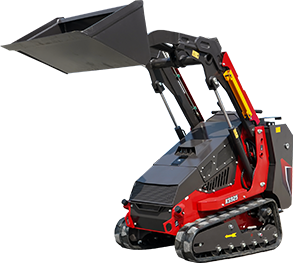
KS450E charging time: 7 hours on lead-acid vs 3.5 on lithium — which is worth it?
By Justin, Product Engineer · Based on official factory specifications and battery industry documentation, September 2026
TL;DR: The KS450E's lead-acid pack charges in about 7 hours; the lithium pack in about 3.5. The charge-time gap is real, but the bigger number behind it is cycle life: lithium iron phosphate typically lasts 4 to 15 times longer than lead-acid, which usually matters more to total cost than the sticker price.
The real spec this article explains
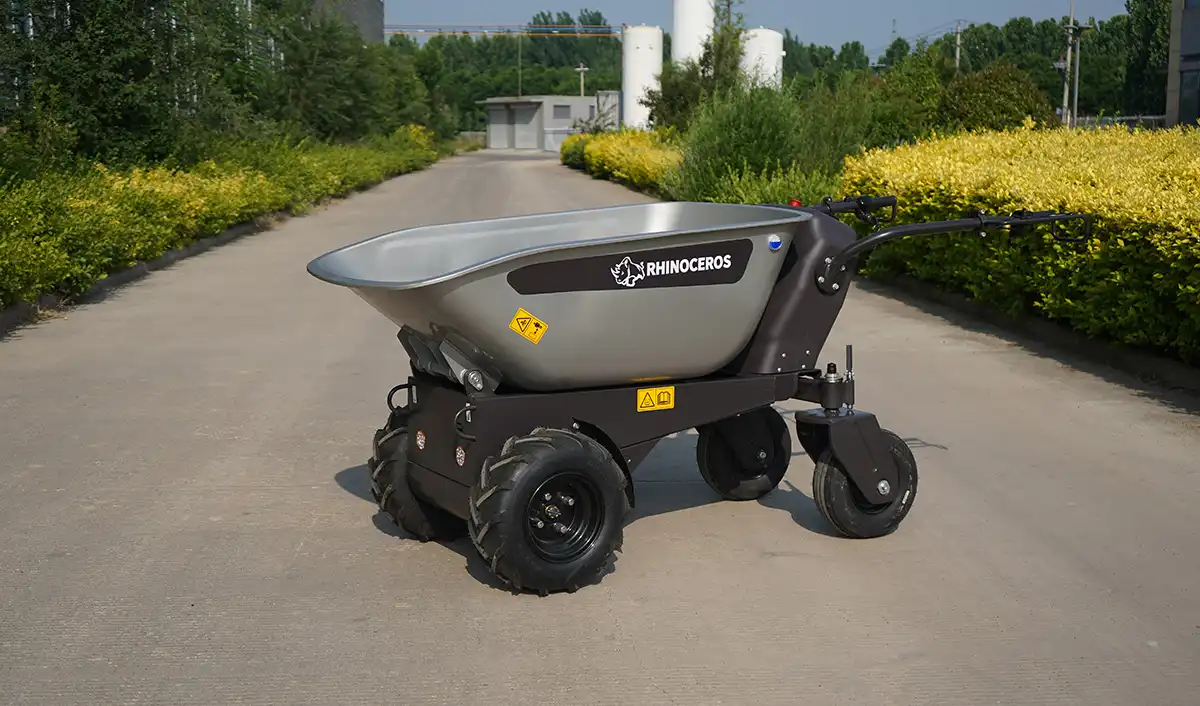
Our official KS450E listing confirms both battery options on the same 1.5kWh pack size, with charging time of approximately 7 hours on lead-acid and approximately 3.5 hours on lithium. Both options are rated for the same 4 to 6 hour working time. On the surface, this looks like a simple speed trade-off. The more useful comparison is what sits underneath that number.
Why the charging time differs in the first place
The gap is a direct consequence of battery chemistry, not a design choice independent of it. Industry documentation on lithium iron phosphate (LiFePO4) batteries consistently reports charging efficiency around 95 to 98%, compared with roughly 70 to 85% for lead-acid. Lead-acid batteries also typically cannot be charged at the same rate throughout the cycle without damage, while lithium packs generally accept a faster, more consistent charge rate. The 7-hour versus 3.5-hour figures on the KS450E reflect this underlying chemistry difference directly.
The number that matters more than charging speed: cycle life
This is the part worth slowing down for. Industry sources are consistent and specific on this figure: a lead-acid battery typically lasts 300 to 500 full charge-discharge cycles before its usable capacity drops significantly, while a lithium iron phosphate battery typically lasts 2,000 to 6,000 or more cycles under similar conditions, roughly 4 to 15 times longer depending on the specific products compared.
| Lead-acid | Lithium (LiFePO4) | |
|---|---|---|
| Charging time on the KS450E | ~7 hours | ~3.5 hours |
| Typical cycle life (industry range) | 300 to 500 cycles | 2,000 to 6,000+ cycles |
| Charging efficiency (industry range) | ~70 to 85% | ~95 to 98% |
| Usable capacity per charge | Typically around 50%, since deep discharge shortens lifespan | Typically 80 to 100%, tolerates deeper discharge without the same penalty |
| Upfront cost | Lower | Higher, commonly 2 to 4x the lead-acid price for a comparable pack |
Turning this into a decision, not just a comparison
The honest answer to "which is worth it" depends almost entirely on how often you actually cycle the battery, charge it, use it down, charge it again, not on the sticker price alone. A lead-acid pack with a 300 to 500 cycle life, used daily, reaches the end of its service life in roughly one to one and a half years of five-day-a-week use. A lithium pack rated for 2,000 or more cycles under the same daily use pattern can last six years or more before it needs replacing. Industry cost analyses comparing the two chemistries consistently find that for frequent, daily use, the lithium pack's higher upfront price is offset, often several times over, by avoiding multiple lead-acid replacements across the same span of years.
The calculation flips for light or occasional use. If the KS450E will see the battery through only a handful of cycles a month, a seasonal job, a backup machine, occasional landscaping work, the lead-acid pack may never come close to its 300 to 500 cycle limit during the machine's useful working life, which makes the lower upfront cost the more straightforward choice.
A simple way to decide
| Your situation | Better fit |
|---|---|
| Daily or near-daily use, charged and cycled most working days | Lithium — the cycle-life advantage will very likely pay back the upfront premium |
| Occasional or seasonal use, well under one charge cycle a day on average | Lead-acid — lower upfront cost, with less chance of outliving its cycle-life limit during ownership |
| Tight charging window between shifts | Lithium — the 3.5-hour charge fits a tighter turnaround than the 7-hour lead-acid charge |
| Budget-constrained first purchase, usage pattern still uncertain | Lead-acid — lower initial outlay while you confirm how hard the machine actually gets used |
What to ask before you order
What is the actual price difference between the lead-acid and lithium KS450E for your order, in your currency and market?
What warranty coverage applies to each battery type, and does it differ?
Can the battery type be upgraded later (lead-acid to lithium), or is the choice fixed at the time of order?
Based on your expected weekly usage, which option's cycle life actually outlasts the rest of the machine?
Send us your expected usage pattern, shifts per week, typical charging window, through our inquiry form, and we will help you work out which battery option actually pays off for your situation. You can review the full specification on the KS450E product page.
Frequently asked questions
How much faster does the lithium KS450E charge compared to lead-acid?
About twice as fast: roughly 3.5 hours for lithium versus roughly 7 hours for lead-acid, on the same 1.5kWh pack size.
Is lithium always the better choice because it charges faster?
Not automatically. Charging speed is one factor. Cycle life, usage frequency, and upfront cost matter more to the overall value calculation than charging speed alone.
How much longer does a lithium battery actually last than lead-acid?
Industry figures put lithium iron phosphate cycle life at roughly 4 to 15 times that of lead-acid, depending on the specific products compared, 2,000 to 6,000-plus cycles versus 300 to 500.
Does lead-acid ever make more financial sense than lithium?
Yes, for light or occasional use where the machine is unlikely to approach the lead-acid pack's cycle-life limit during its working life, the lower upfront cost can be the more sensible choice.
Can I start with lead-acid and switch to lithium later?
Confirm this directly with Rhinoceros, since the answer may depend on how the battery system is integrated into the specific configuration ordered.
Does the type of battery affect the KS450E's working time?
Both battery options are rated for the same 4 to 6 hour working time on our official listing, though real-world runtime depends on load and usage pattern.
Feature availability and pricing vary by model, configuration, and market; confirm current specifications and costs directly with Rhinoceros before purchase. Cycle life, efficiency, and cost figures cited are general industry ranges for lead-acid and LiFePO4 batteries and are not confirmed figures for the specific cells used in the KS450E unless separately provided by Rhinoceros.