 中文
中文
 Español
 Francés
 Русский
 Português
 العربية
 Deutsch
 Italiano
 한국인
한국인
 Melayu
 ไทย
ไทย
 Việt
Việt
 bahasa Indonesia
 қазақ
қазақ
 Nederlands
 Ελληνικά
 Magyar
 čeština
 Suomalainen
 Filipino
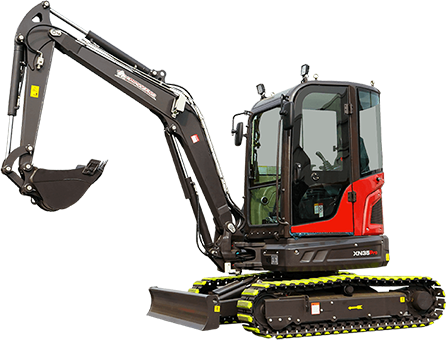
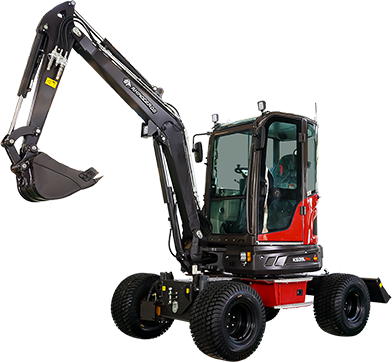
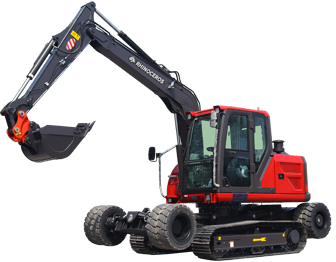
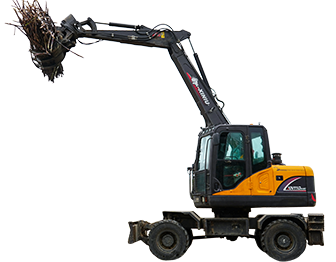
Buying a Wheel Excavator from China: Compliance FAQ
Reviewed by Justin, Product Engineer·Based on official factory specifications, August 2026
Quick answer: The certification questions for a wheel excavator are largely the same as for any imported machine — emissions compliance, CE marking for the EU, documentation for customs. What's different is the road-compliance layer: a wheeled machine may be capable of self-propelled road travel, and whether that's legal on arrival is a separate question from whether the machine itself is certified.
Buyers researching a wheel excavator from a Chinese manufacturer usually have two separate concerns tangled together: is the machine itself properly certified, and will it be allowed to move the way its wheels suggest it can. Those deserve separate answers.
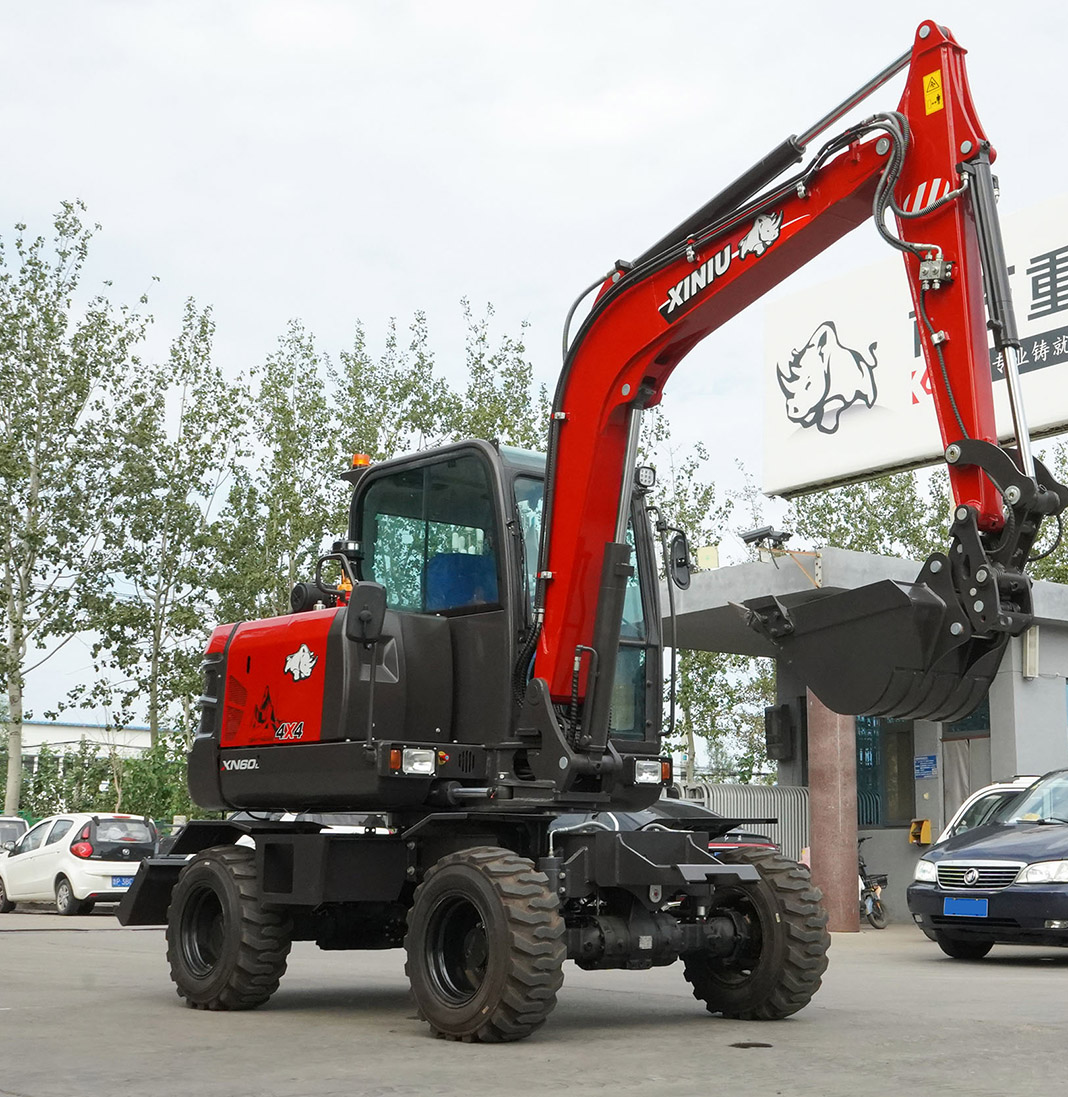
Machine Certification: The Same Ground as Any Import
This part isn't unique to wheel excavators. Engine emissions compliance (EPA Tier 4 Final or EU Stage V, depending on destination market and engine option), CE marking for European buyers, and standard export documentation apply the same way they would to a crawler excavator or any other piece of imported equipment. If a supplier can't produce documentation for these on request, that's a red flag independent of what type of undercarriage the machine has.
The Part That's Different: Road-Compliance Documentation
A wheel excavator's ability to travel between sites under its own power is a mechanical fact — whether it's legal to do so on public roads in your region is a regulatory one, and the two don't automatically align. Before assuming a machine can be driven between job sites the way its top speed suggests, confirm with the supplier and your local authority:
1. Whether the Machine Ships With Road-Use Equipment Fitted
Lighting, turn signals, and reflective markings suitable for road use aren't universal across every configuration. Ask specifically whether the unit as quoted includes them, rather than assuming a wheeled machine is automatically road-ready.
2. Whether Local Width and Load Limits Apply Without a Permit
Some regions cap the width of self-propelled equipment allowed on public roads without a wide-load permit or escort. This is worth checking against the specific model's width before planning routes that assume unrestricted road travel.
3. Whether the Import Includes a Type-Approval or Road-Registration Path
In some markets, a machine capable of road travel still needs a separate registration or type-approval process before it's legally allowed on public roads, distinct from the import certification that covers the machine itself. This varies enough by country that it's worth confirming directly with local authorities rather than the supplier alone.
What to Ask Before Placing an Order
A supplier who can answer these clearly, with documentation to back it up, is a different conversation than one who waves the question away:
Which emissions standard does this engine configuration meet, and for which markets? Does the quoted configuration include road-use lighting and signaling, or is that an add-on? Can you provide CE documentation and export paperwork before shipment, not after?
Frequently Asked Questions
Does CE marking mean a wheel excavator is automatically legal to drive on public roads?
No. CE marking covers the machine's compliance with EU product safety standards. Road-use legality is a separate, often country-specific, registration question.
Are parts for a wheel excavator harder to source than for a crawler machine?
Not inherently. Engine and hydraulic components generally follow the same sourcing paths regardless of undercarriage type; it depends more on the specific engine brand than on wheels versus tracks.
Should I confirm road-use equipment before or after placing the order?
Before. It's far easier to add lighting and signaling requirements to a build configuration than to retrofit them after the machine has shipped.
Certification requirements vary by destination market and change over time; confirm current requirements with Rhinoceros and your local import/transport authority before ordering. This content does not constitute legal or regulatory advice.