 中文
中文
 Español
 Francés
 Русский
 Português
 العربية
 Deutsch
 Italiano
 한국인
한국인
 Melayu
 ไทย
ไทย
 Việt
Việt
 bahasa Indonesia
 қазақ
қазақ
 Nederlands
 Ελληνικά
 Magyar
 čeština
 Suomalainen
 Filipino
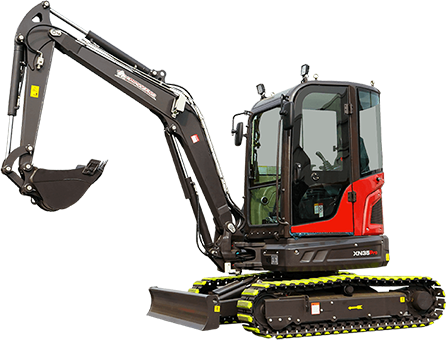
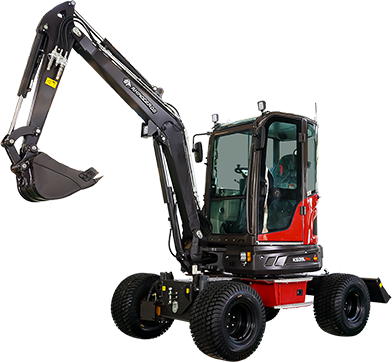
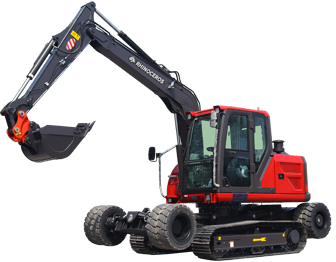
Backhoe Loader vs Mini Excavator
Reviewed by Justin, Product Engineer·Based on official factory specifications, updated July 2026·Sources cited below
Quick answer: A backhoe loader like the XN290 combines a front loader bucket and a rear digging arm on one wheeled chassis, built to dig, load, and move material without switching machines. A mini excavator digs with more reach and precision in tighter spaces but can't scoop and carry material the way a front loader bucket can. If a job needs both digging and material handling in one pass, a backhoe loader saves a second machine; if the job is primarily digging in confined access, a mini excavator is the better fit.
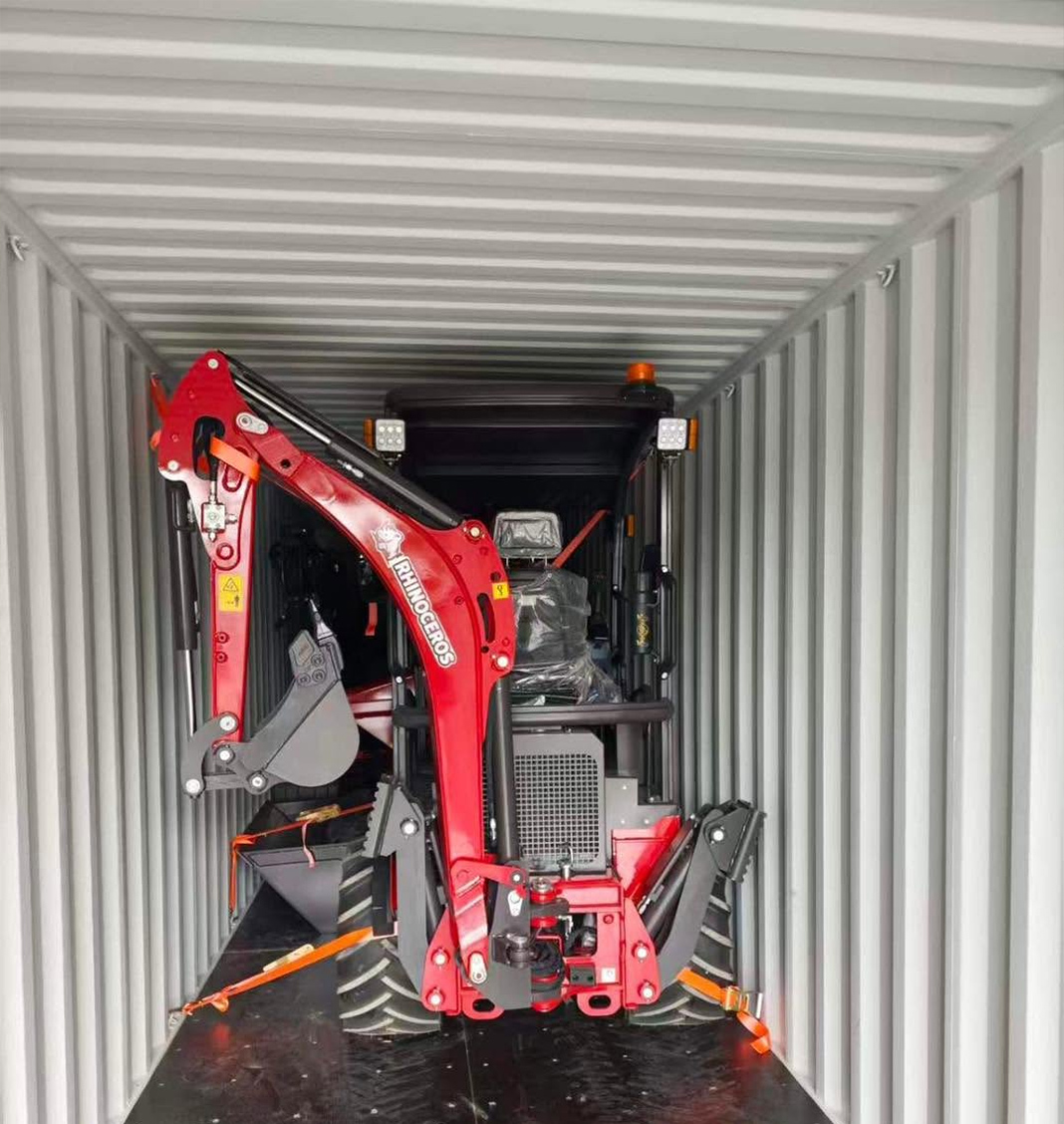
The question isn't which machine digs better in isolation. It's whether your job needs one machine that does two things, or one machine that does one thing especially well in a tight space.
What a Backhoe Loader Actually Combines
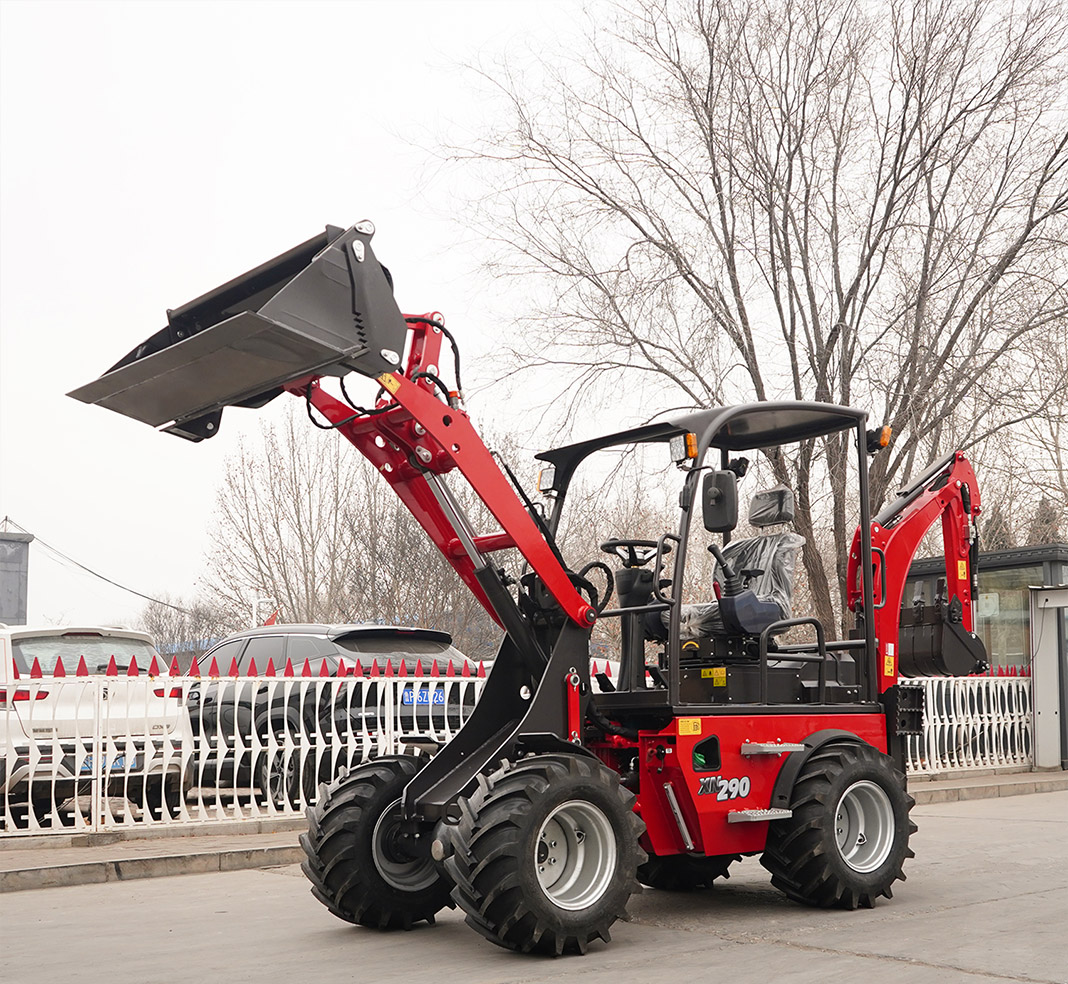
A backhoe loader puts a front loader bucket and a rear digging arm on the same wheeled chassis, so a crew can dig a trench with the rear arm and then load the spoil directly with the front bucket, without bringing in a second machine. The XN290 pairs a Kubota engine with a load-sensitive hydraulic system, 4WD, and dual-speed travel, which helps the machine handle both ends of the job without a separate operator adjustment for each mode.
| Spec | XN290 |
|---|---|
| Operating Weight | 2965 kg (6535 lb) |
| Loading Bucket Capacity | 0.3 m³; |
| Digging Bucket Capacity | 0.04 m³; |
| Width | 1550 mm |
| Engine | Kubota, 14 kW |
| Max. Digging Radius | 3350 mm |
| Max. Digging Depth | 2460 mm |
Source: Rhinoceros official factory specification page, rhinocerosequipment.com, July 2026.
That dual capability is the entire case for a backhoe loader. Take away the loading half of the job, and a mini excavator usually does the digging half better.
Where a Mini Excavator Pulls Ahead
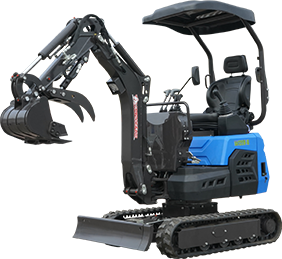
A mini excavator's slewing upper structure rotates independently of its undercarriage, which lets it dig, swing, and dump without repositioning the whole machine, and its narrower, often telescopic tracks fit through gaps a wheeled backhoe loader can't clear. At 1550 mm wide, the XN290 needs a genuinely open approach; a mini excavator like the XN18, retracting to 990 mm, clears gates and side passages the backhoe loader simply can't reach. On a residential lot, a basement dig, or any site with a narrow gate, that access advantage usually decides the choice before digging depth or bucket size even come into it.
What it gives up is the loader bucket. A mini excavator can dig and pile material, but it doesn't scoop and carry the way a front-mounted loader bucket does.
Matching the Machine to the Job
A backhoe loader earns its cost on jobs that mix digging and material handling in the same day: utility trenching that also needs backfill loading, site prep that moves material between the dig and a truck. A mini excavator earns its cost on jobs defined by access and precision: narrow residential lots, basements, and sites where a wheeled machine's turning radius or width becomes the limiting factor before its dual function does.
Frequently Asked Questions
Can a backhoe loader work in the same tight spaces as a mini excavator?
Generally not as well. A backhoe loader's wheeled chassis and width are built around road transport and stability for loader work, so it typically needs more clearance than a telescopic-track mini excavator designed specifically for narrow access.
Does a mini excavator need a separate machine for loading material?
Usually, yes, for moving loaded material any real distance. A mini excavator's bucket can pile and place material near the dig, but it doesn't carry and dump the way a front loader bucket does over repeated cycles.
Is the XN290 diesel or electric?
The XN290 runs on a Kubota diesel engine with fully hydraulic control; confirm current engine and configuration options directly on the product page before ordering.
Sources
Rhinoceros (Shandong Kenstone Heavy Machinery Co., Ltd.) - Backhoe Loader product line, retrieved July 2026
View the full specifications at rhinocerosequipment.com.
Specifications reflect standard configurations and may vary by option package; confirm current specifications directly with Rhinoceros before purchase.