 中文
 Español
 Francés
 Русский
 Português
 العربية
 Deutsch
 Italiano
 한국인
 Melayu
 ไทย
 Việt
 bahasa Indonesia
 қазақ
 Nederlands
 Ελληνικά
 Magyar
 čeština
 Suomalainen
 Filipino
"Accessory Matching": what the XN18 can actually run
"Accessory Matching": what the XN18 can actually run
Our spec sheet lists accessory matching as a feature. Here is the real difference between breakout force and auxiliary hydraulic flow, and which attachments each one governs.
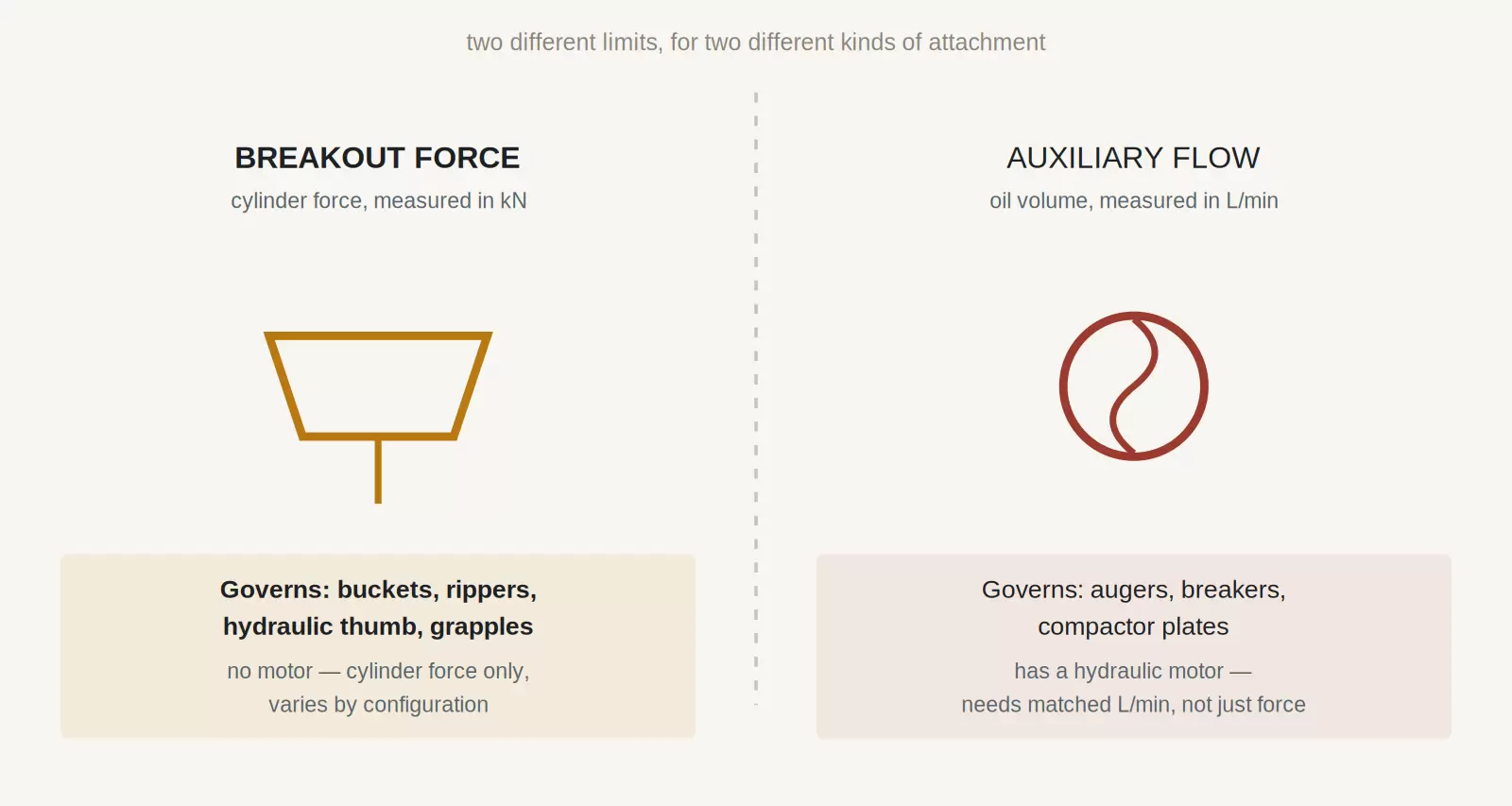
The real spec this article explains
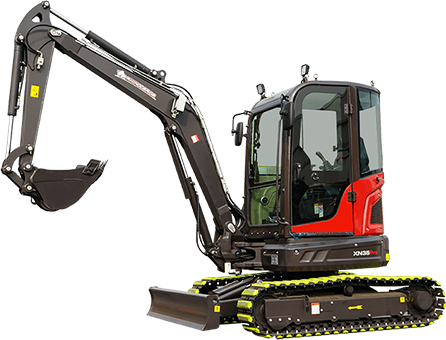
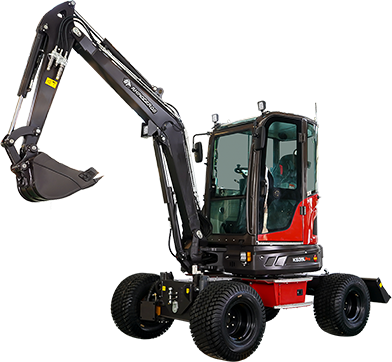
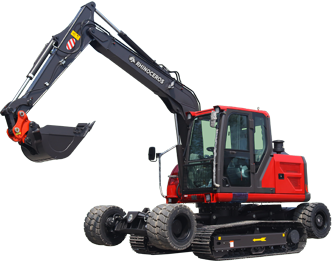
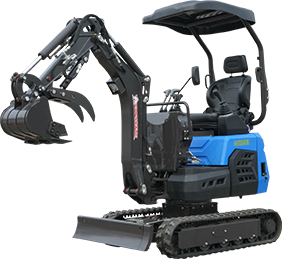
Our XN18 mini excavator page lists "Accessory Matching" among its features, alongside a hydraulic quick hitch. Treat "compatible with many attachments" the way we treated the same claim on our KS1000 loader article: mounting compatibility is rarely the limiting factor on compact equipment. What actually determines whether an attachment performs at its rated capability is a mechanical question, and on an excavator specifically, it is actually two different questions depending on the attachment type.
Two different limits for two different kinds of attachment
Breakout force: for attachments with no motor
Buckets, rippers, hydraulic thumbs, and grapples do not spin or vibrate; they are driven directly by the arm and bucket cylinders. What limits them is breakout force, the cylinder force available at the attachment, measured in kN. A heavier-duty ripper tooth or a larger bucket working harder, more compacted ground simply needs more of this force to do the job without stalling the cylinder.
Auxiliary hydraulic flow: for attachments with a motor
Augers, hydraulic breakers, and compactor plates are different: they contain their own hydraulic motor, and what powers that motor is auxiliary flow from the excavator's hydraulic circuit, measured in litres per minute (L/min), delivered through the auxiliary line and quick hitch. A real auger example rated for machines in the 1.2 to 3-ton class requires roughly 27 to 75 L/min depending on the auger diameter; a hydraulic breaker suited to this class typically requires roughly 20 to 30 L/min at 88 to 117 bar. Supply less flow than an attachment is rated for, and it runs slower and weaker than its specification sheet promises, the same principle covered in our KS1000 hydraulic flow guide, applied here to an excavator's auxiliary circuit instead of a loader's main circuit.
What the XN18 is confirmed to support
Across multiple consistent sources describing the XN18's attachment setup, the following are confirmed as available attachment options for this machine: standard digging buckets in multiple widths, a grading bucket, a ripper tooth, a hydraulic thumb for handling rock, logs, and debris, a log grab, an auger drive, and a hydraulic breaker, connected through a hydraulic quick hitch with a secondary mechanical safety locking pin and an auxiliary hydraulic line.
| Attachment | What limits it | Typical requirement (general reference) |
|---|---|---|
| Digging / grading bucket | Breakout force | Varies by bucket width and ground condition |
| Ripper tooth | Breakout force | Higher force needed for compacted or rocky ground |
| Hydraulic thumb | Breakout force (clamp) | Matched to bucket-side cylinder force |
| Log grab | Breakout force (clamp) | Matched to bucket-side cylinder force |
| Auger drive | Auxiliary flow | ~27–75 L/min depending on auger diameter, for this machine class |
| Hydraulic breaker | Auxiliary flow | ~20–30 L/min at 88–117 bar, for this machine class |
What this does not mean
A hydraulic quick hitch and an auxiliary line mean an attachment can be mounted and connected; they do not guarantee it will run at its rated performance on your specific machine. Mounting compatibility and hydraulic compatibility are separate questions, and only the second one determines whether a powered attachment actually works the way its own spec sheet describes.
Questions to ask before you order a powered attachment
What is the XN18's confirmed auxiliary hydraulic flow rate, in L/min, for your specific configuration?
What is the confirmed breakout force, in kN, for non-powered attachments like rippers and buckets?
Does the attachment's own spec sheet state a minimum and maximum flow rating, and does the XN18's output fall within that range?
Is the hydraulic quick hitch's secondary locking pin compatible with the specific attachment brand you are sourcing separately?
Send us the specific attachment and its stated flow or force requirement through our inquiry form, and we will confirm compatibility for your exact XN18 configuration. You can review the full specification on the XN18 product page.
Frequently asked questions
Does "accessory matching" mean any attachment will work at full performance?
No. It generally refers to mounting and hydraulic connection compatibility. Whether a specific attachment performs at its rated capability depends on matching breakout force or auxiliary flow to that attachment's own requirements.
What is the difference between breakout force and auxiliary flow?
Breakout force (kN) governs non-powered attachments like buckets, rippers, and thumbs, driven directly by the machine's cylinders. Auxiliary flow (L/min) governs powered attachments like augers and breakers, which contain their own hydraulic motor.
What is the XN18's exact breakout force and auxiliary flow?
These figures vary across XN18 configurations and are not uniformly published; confirm the exact numbers for your specific unit directly with Rhinoceros.
Which attachments are confirmed available for the XN18?
Digging and grading buckets, a ripper tooth, a hydraulic thumb, a log grab, an auger drive, and a hydraulic breaker, connected through a hydraulic quick hitch with auxiliary hydraulic flow.
What happens if an auger or breaker is rated above the XN18's auxiliary flow?
It will generally run slower and with less power than its rated specification, the same principle that applies to any excavator or loader with insufficient auxiliary flow for a given attachment.
Does a hydraulic quick hitch guarantee attachment compatibility?
It guarantees mechanical and hydraulic connection, not guaranteed-rated performance. Confirm the attachment's specific force or flow requirement against the XN18's confirmed output.
Feature availability and exact hydraulic figures vary by model configuration and market; confirm current specifications directly with Rhinoceros before ordering a specific attachment. Attachment requirement ranges cited are general industry reference figures and individual attachment specifications should be checked against the XN18's confirmed output for your configuration.